
Vandaag of morgen in huis

Kwaliteit gegarandeerd

Welkomstaanbiedingen ontgrendelen: GRATIS bezorging | Tot 80% korting | Gratis 30 dagen JoyPlus-proefperiode
Download de app
Buying shower gel seems simple, until you get home and find that the fragrance fades quickly, your skin feels tight or the bottle doesn’t last as long as you expected. Marketing terms such as “natural”, “moisturising” and “mild” don’t always tell the whole story. The ingredients list, size and intended use can often give you a clearer idea.
This practical guide focuses on what really matters for everyday use in a Dutch bathroom: how it feels on your skin, the fragrance, ingredients, size and packaging.
Shower gel containing plant extracts or a natural fragrance isn’t automatically organic. Check whether the product information gives a specific percentage, quality mark or certification. For example, Palmolive Naturals Almond is described as having a “more natural formula” and contains biodegradable ingredients. That’s not the same as full organic certification.
It’s also worth checking the product information carefully when choosing vegan shower gel. A plant-based ingredient doesn’t automatically mean the whole formula is vegan.
Fragranced shower gel can be enjoyable, but perfume and fragrance allergens are often listed separately in the ingredients. If you prefer a subtler fragrance, look for a soap-free or mild formula. A citrus fragrance, such as Jurlique’s, feels fresh; a rose, peony or white tea version has a more distinctive fragrance profile.
You should also treat a brand’s claims about fragrance or mood as marketing information. Palmolive’s product description says Alluring Love is intended to positively influence your mood, but this isn’t an established health benefit.
A 500 ml shower gel may seem more expensive than a 250 ml bottle, but the price per 100 ml could be better value. A larger size is especially practical for households with several people. Also check the dispensing cap or pump, as these usually make it easier to use a consistent amount.
A refillable bottle or recycled plastic may be worth considering if you want to reduce packaging waste. Just check exactly what the claim means: recycled plastic, recyclable plastic and refillable packaging are different things.
Check the ingredients list to see which cleansing agents are used. Products may contain ingredients such as sodium laureth sulfate, cocamidopropyl betaine, sodium lauroyl glycinate or sodium lauroyl isethionate. The formula can affect how rich the lather is and how your skin feels after rinsing.
For a shower gel for dry skin or sensitive skin, you could look for:
In this article, “moisturising” means that, according to the product description, the product is intended to help support moisture and a comfortable skin feel. It isn’t a medical claim.
Natural shower gel may contain essential oils, fruit extracts or plant-based ingredients. These give it a distinctive fragrance, but may also be listed on the label as fragrance ingredients or allergens. For a gentler start to the day, you could choose a soft almond, olive or white tea fragrance. Citrus or mint are possible options if you’re after a fresher feel.
Always check the current label on the packaging. The formula may change, and the product page isn’t always the only source of information about how to use it.
Compare the size with how often you use it:
A large bottle isn’t automatically better value if you use more product each time you shower. A small amount on wet skin is often enough; follow the instructions on the packaging.
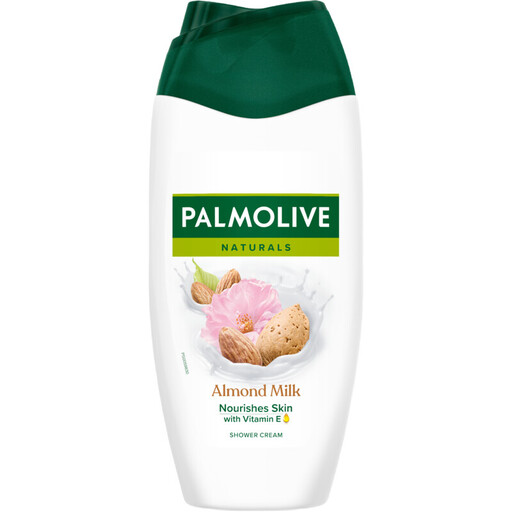
Why it suits this profile: The 250 ml size is a handy way to try an almond and milk fragrance without buying a large bottle straight away.
The product information describes the formula as “more natural” and mentions biodegradable ingredients, without suggesting that the product is fully organic.
250 ml size, almond version and coco-glucoside in the listed ingredients.
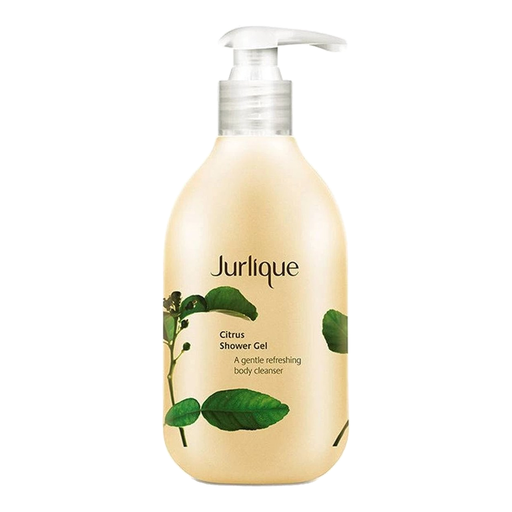
Why it suits this profile: A soap-free shower gel for anyone who values a citrus fragrance and a pleasant feel on the skin.
The description specifically mentions a soap-free formula and suitability for all skin types, rather than relying on a general fragrance claim alone.
300 ml size, described as soap-free in the product information, with citrus notes of mandarin, lemon, palmarosa and clementine.
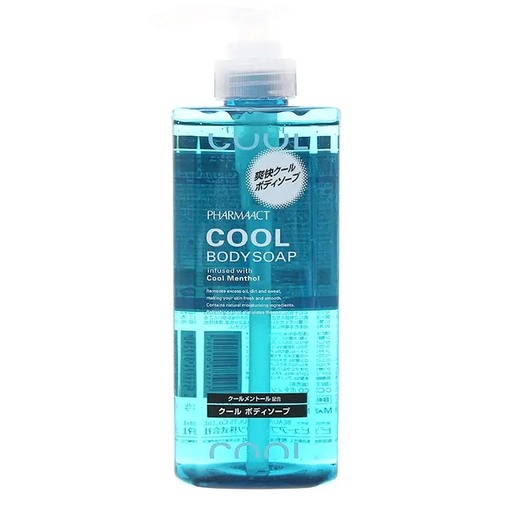
Why it suits this profile: The 550 ml pump bottle is practical for frequent showers, after exercise or for sharing with housemates.
The size, packaging and intended use are clearly stated. This makes it easy to compare the size and dispensing method with smaller bottles before you buy.
550 ml size, pump bottle and, according to the product description, a cooling feel for everyday use.
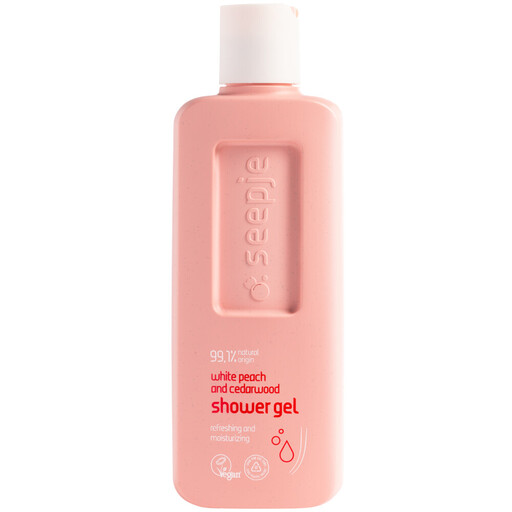
Why it suits this profile: A good choice if you want to combine natural shower gel, a vegan formula and considered packaging with a sweet, woody fragrance.
The product information states that 99.1% of the ingredients are of natural origin, the formula is vegan and the bottle is refillable and made from 97% recycled plastic. These are separate claims that can be checked individually.
300 ml size, a pH-neutral formula according to the product description, and the supplier’s claim that it is free from microplastics.
We’ve put together a complete, up-to-date list of products that meet these strict selection criteria and comply with current European safety regulations.
Choose a formula that the product information says is intended for everyday use, and pay attention to how your own skin feels. A mild body wash, soap-free shower gel or shower cream may feel more comfortable if your skin tends to feel dry or tight after showering. Rinse thoroughly and use only as much as you need.
You’ll find the shelf life on the packaging. Look for a use-by date or the open-jar symbol, such as “12M”. For example, Seepje’s product information gives a period of 12 months after opening. Store shower gel as directed and close the bottle after use.
That depends on the price per 100 ml and how much you use. A 500 ml or 550 ml bottle can be practical for everyday use or sharing, but only if you keep the amount you dispense under control. Compare the size, pump or cap and total price before you order.
