
Vandaag of morgen in huis

Kwaliteit gegarandeerd

Welkomstaanbiedingen ontgrendelen: GRATIS bezorging | Tot 80% korting | Gratis 30 dagen JoyPlus-proefperiode
Download de app
Grabbing a bottle of shower gel seems simple—until you're standing in the aisle. One bottle promises a "natural" experience, another a "hydration boost." But what does that really mean for your skin? Many of these promises are just clever marketing. Before you buy another shower gel that leaves your skin feeling tight, it's worth knowing what to look for.
As a Joybuy Product Recommendation Officer, I'm here to help you make the right choices. We'll look past the slogans and focus on what's actually inside the bottle.
The world of personal care is filled with vague claims. Here are two common misconceptions that can cost you money and don't help your skin:
To avoid a bad purchase, focus on a few concrete properties. These specifications tell you more than the marketing on the front of the bottle.
The foundation of a good choice is your skin type. What works for one person can be irritating for another.
More and more people are consciously choosing sustainable or ethical products. Look for the following labels:
Not everyone is looking for the same thing in a shower gel. Below are a few popular choices, tailored to specific needs.

Why it's a match: This person wants an effective product without unnecessary additives. The focus is on a gentle cleanse that respects the skin, with a clear, transparent ingredient list.
Instead of vague "natural" claims, Sanex focuses on what it doesn't contain: 0% fragrance, 0% sulfates, 0% colourants, and 0% microplastics. That's a clear statement.
A hypoallergenic and vegan formula that cleanses the skin without stripping it. Ideal for sensitive skin and daily use.
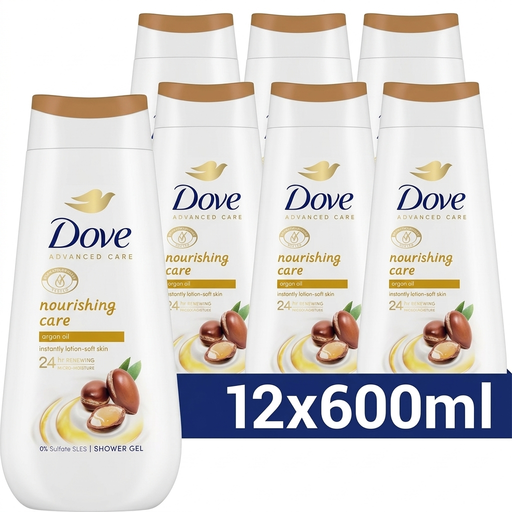
Why it's a match: For those with dry skin who expect more than just cleansing. This user is looking for a product that actively helps to keep their skin soft and hydrated.
This shower gel goes beyond the vague "hydrating" claim. The formula contains Moroccan argan oil and, according to Dove, a 24-hour renewing MicroMoisture technology for long-lasting nourishment.
Specifically developed for dry skin. The sulfate-free formula helps protect the skin's barrier and prevent dryness.
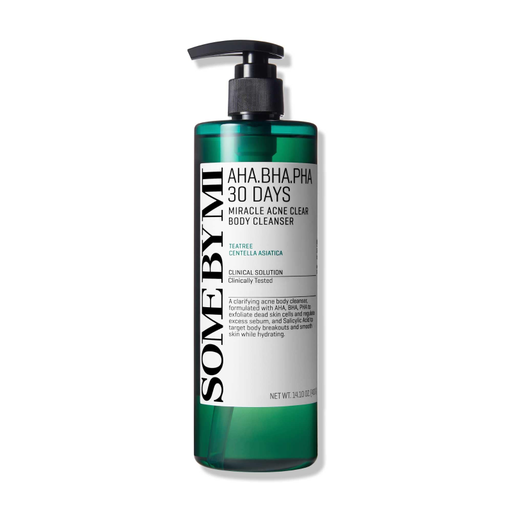
Why it's a match: For those who suffer from blemishes or acne on their body. This user needs a product with active ingredients that exfoliate the skin and regulate sebum production.
This product makes no vague promises. It directly names the active, exfoliating acids (AHA, BHA, PHA) and the concentration of salicylic acid (5,000 ppm) targeted at tackling acne and excess sebum.
A targeted treatment in a body wash that helps exfoliate dead skin cells and cleanse pores, specifically for blemish-prone skin.
A great shower gel is often suitable for everyone. We've compiled a complete, up-to-date list of products that meet these objective selection criteria.
1. What is the difference between shower gel and shower cream? A shower gel typically has a clear, gel-like texture and is focused on refreshing cleansing. A shower cream is thicker and opaque. It often contains more nourishing oils or butters, making it more suitable for drier skin.
2. Is a sulfate-free shower gel really better? Sulfates (like Sodium Laureth Sulfate) are effective cleansers that create a rich lather. However, they can strip the skin's natural oils, leading to dryness and irritation, especially for sensitive or dry skin. A sulfate-free shower gel uses milder cleansing agents. It's not a requirement, but it can make a big difference if your skin often feels tight.
3. How do I know if a shower gel is truly 'vegan'? The term 'vegan' on the packaging is a good indication, but for certainty, look for an official certification, such as one from PETA. You can also check the ingredients list (INCI) for animal-derived products like milk (lac), honey (mel), or lanolin. A vegan shower gel is completely free of these types of ingredients.
