
Vandaag of morgen in huis

Kwaliteit gegarandeerd

Welkomstaanbiedingen ontgrendelen: GRATIS bezorging | Tot 80% korting | Gratis 30 dagen JoyPlus-proefperiode
Download de app
A bottle of shower gel may seem like a straightforward purchase, but the differences often lie in the details. A fresh scent says little about the ingredients, a larger pack is not automatically better value and a label such as “mild” only tells you something when you also check the ingredients and usage advice.
For everyday showers, dry skin, sensitive skin or a child’s bath, three pitfalls are particularly important:
A shower gel for dry skin often contains ingredients such as glycerine, oils or other moisturising components. This does not mean that the product treats a skin condition. Depending on your individual skin response, however, it may help your skin feel more comfortable after washing.
If you are looking for a shower gel for sensitive skin, you may want to look for:
A soap-free shower gel cleanses without a traditional soap base. Baby bath and bubble bath can also be soap-free. Always use a product explicitly intended for babies or young children, and supervise them during bathing.
“Vegan”, “0% sulphates”, “0% colourants” and “dermatologically tested” are verifiable product characteristics, but they do not mean the same thing. Vegan refers to the formula and not automatically to the packaging. “Dermatologically tested” indicates that, according to the product information, a dermatological assessment or test has been carried out. It does not mean that irritation is ruled out for every user.
Brand claims about, for example, hydration, a strengthened skin barrier or a particular duration of effect should be read as information provided by the brand. According to the relevant brand’s own research, such results may have been obtained under specific testing conditions. Treat them as an indication, and check whether the formula, scent and intended use are right for you.
Cosmetic products sold in the European Union must comply with the EU Cosmetics Regulation (EC) No 1223/2009. The packaging should include, among other things, an ingredients list, the responsible person, contents, the expiry date or period-after-opening and warnings. The current packaging remains the definitive source of information.
Do not compare the price of the bottle alone. Divide the price by the number of millilitres and also check the number of items.
A pack containing twelve bottles may seem inexpensive per item, but is less practical if you use little product or want to alternate between different formulas.

Why it suits this profile: The 400 ml size is easy to manage, and the product information focuses on sensitive skin. The formula is described as vegan and, according to the brand’s product information, contains no fragrance, microplastics, sulphates or colourants.
You do not have to rely on the word “mild” alone: the stated characteristics and ingredients can be checked in advance. Check the current packaging when purchasing.
400 ml, vegan formula according to the product information, 0% fragrance and 0% colourants according to the listed product specifications.
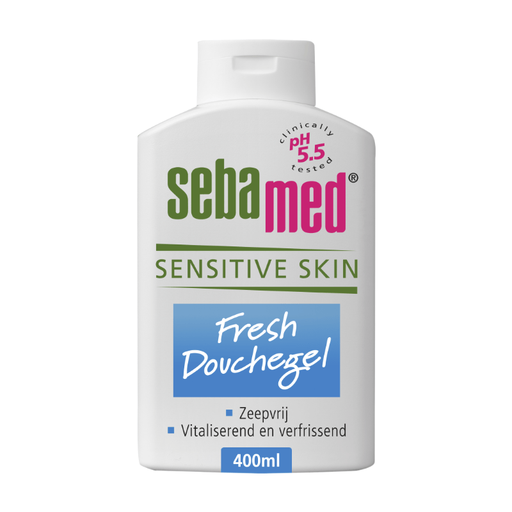
Why it suits this profile: This shower gel has an ingredients list that includes lactic acid, niacinamide, amino acids and allantoin. The 400 ml bottle suits anyone who wants to try a specific formula without immediately buying a large supply.
The product choice is based on the stated ingredients and size, rather than scent or vague advertising language. Stop using it if irritation occurs.
400 ml, a clear ingredients list and use on wet skin followed by thorough rinsing.
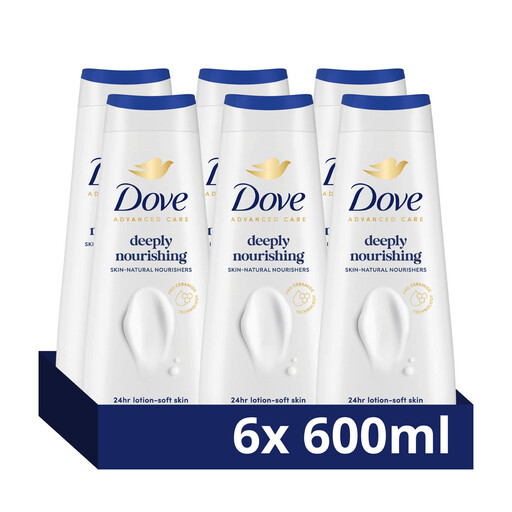
Why it suits this profile: The pack contains six 600 ml bottles, making it suitable for regular use in a household. According to Dove’s own research, plant-based moisturisers and MicroMoisture technology help support soft-feeling skin.
The total volume makes the price per millilitre clearer than buying separate small bottles. Only buy this set if you already know the formula and scent and have enough storage space.
3,600 ml in total, six 600 ml bottles and intended for everyday use on dry skin according to the product description.
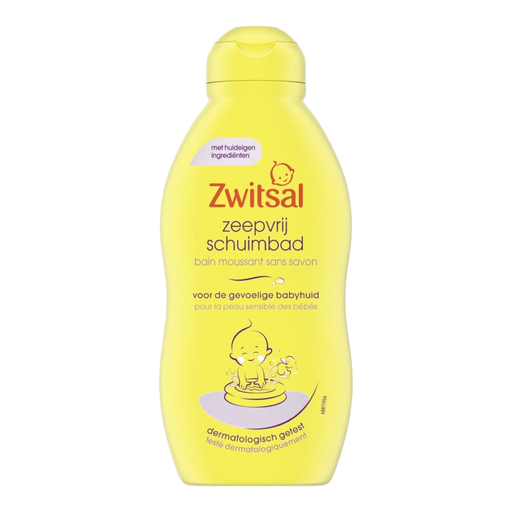
Why it suits this profile: According to the product information, this bubble bath is intended for babies and young children, with a soap-free formula, 0% SLES, no colourants and a skin-friendly pH.
The intended users and application are clearly stated, so you will not accidentally use an adult shower gel as baby bath. Always stay with your child during bathing and avoid contact with the eyes.
200 ml, soap-free, no colourants according to the product information and suitable for cleansing the body and face of young children.
We have compiled a complete, up-to-date list of products that fully meet these strict selection criteria and the applicable European safety regulations.
Apply shower gel to wet skin and rinse thoroughly. A small amount is often enough; a sponge or puff can increase usage because it creates more lather. If you have dry skin, shorter showers with lukewarm water may feel more comfortable than long showers with very hot water.
Store the bottle in a cool, dry place away from direct sunlight. Close the cap securely after use and check the period-after-opening symbol on the packaging. Do not use a product if its scent, colour or texture has clearly changed. Stop using it if irritation occurs and consult a healthcare professional if symptoms persist.
In practice, shower gel, showergel and body wash are often used to describe the same type of body cleanser. Shower cream usually has a creamier texture. Bubble bath and baby bath are mainly intended to be added to bath water, although some products can also be used as mild cleansing gels. Always check the intended use on the label.
That depends on the amount used each time, the number of users and how often you shower. A 400 ml bottle will generally last longer for one user than for a family. That is why you should consider both the contents and the price per 100 ml. A multipack only makes sense if you use the product regularly before the recommended period after opening has elapsed.
Choose a formula with characteristics that match your preferences, such as soap-free, fragrance-free or free from colourants. A product described as dermatologically tested is not automatically suitable for every person. Read the full ingredients list, test it carefully first if in doubt and stop using it if irritation occurs.
