
Vandaag of morgen in huis

Kwaliteit gegarandeerd

Welkomstaanbiedingen ontgrendelen: GRATIS bezorging | Tot 80% korting | Gratis 30 dagen JoyPlus-proefperiode
Download de app
Shower gel may seem like a simple everyday purchase, but products vary widely in fragrance, cleansers, size and how they’re used. Looking for a gentle shower gel, a moisturising shower gel for dry skin, or a large bottle for the whole family? It’s worth looking beyond the packaging and fragrance.
Watch out for these three common pitfalls:
The ingredients list usually starts with water and cleansing agents. Ingredients such as Sodium Laureth Sulfate, Cocamidopropyl Betaine or milder alternatives help determine how much the shower gel lathers and how your skin feels after rinsing.
If your skin tends to feel tight, look for a nourishing shower gel containing ingredients such as glycerine, oils or mild cleansers. However, an ingredients list can’t fully predict your personal experience. If you’re unsure, try a small amount first and stop using it if irritation occurs.
Perfume gives shower gel its distinctive scent, but it can also contain fragrance allergens. Product information for different varieties may list limonene, linalool, coumarin or hexyl cinnamal, for example. Always check the label, especially if you’re looking for a gentle shower gel.
A fresh scent, such as citrus or mint, is a matter of preference rather than an objective benefit. The same goes for terms such as “relaxing” or “anti-stress”: they mainly describe the fragrance experience and when you might use the product, not a medical effect.
A 400 to 1,000 ml bottle can be practical for everyday use by several people. A pump bottle also makes it easier to dispense the right amount. Smaller bottles of around 225 to 300 ml are handy for trying a new fragrance or formula.
Also consider how the product is intended to be used:
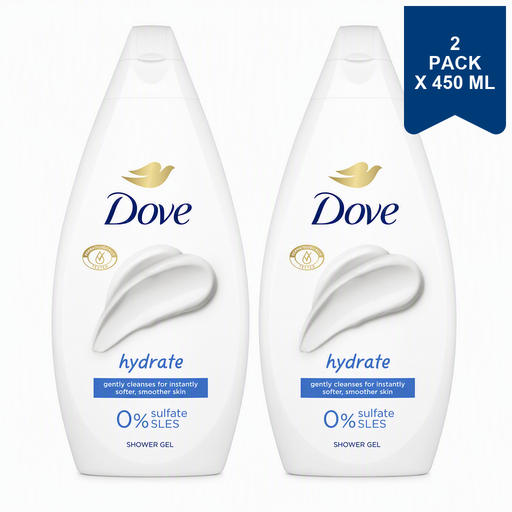
Why it suits this profile: The twin pack offers a practical supply for everyday use. The product information states that each bottle contains 450 ml and that the formula is vegan and contains 0% SLES sulphate cleansers.
You get two identical bottles, making it easy to compare the size and how long they last. Be sure to check the current price per 100 ml.
900 ml in total; glycerine listed in the ingredients; fragrance allergens are clearly listed.
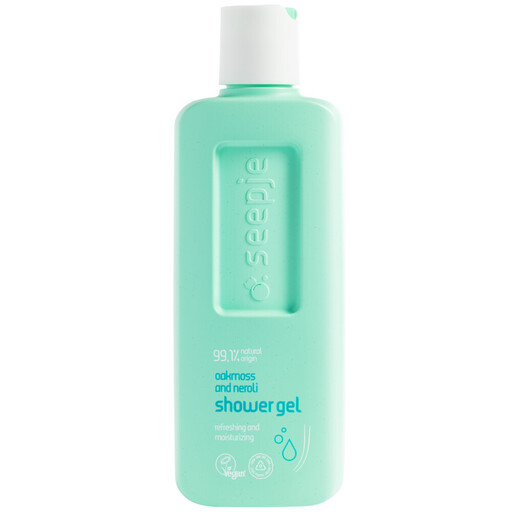
Why it suits this profile: This natural shower gel is aimed at shoppers who pay attention to ingredients’ origins, fragrance and packaging information. According to the product description, 99.1% of the formula is made from ingredients of natural origin.
The product information lists specific features, including being microplastic-free according to the stated certification, and a bottle made from 97% recycled plastic. Check the packaging for the latest certification details.
300 ml; vegan according to the product information; fragrance notes of oakmoss and neroli.
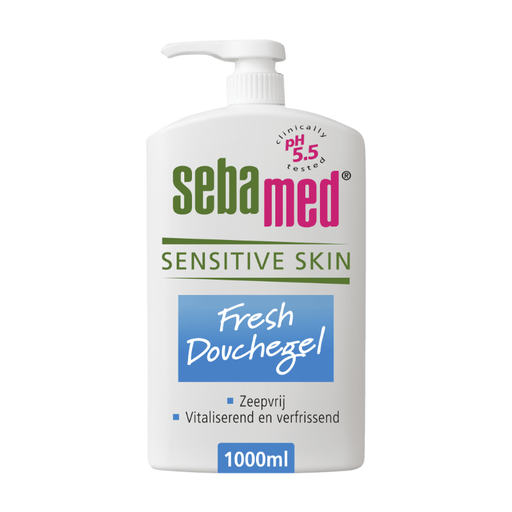
Why it suits this profile: The 1,000 ml pump bottle is practical for a household with several users or for anyone who showers often. The product information lists lactic acid, niacinamide and amino acids in the formula.
The large size means you need fewer bottles. A pump helps you avoid squeezing out more than you need each time.
1 litre; pump bottle; ingredients list includes several nourishing ingredients.
We’ve put together a complete, up-to-date list of products that meet these strict selection criteria and current European safety regulations.
That depends on the formula and your skin. Follow the directions on the packaging and don’t use more than you need. A small amount on wet skin is usually enough to cleanse. Rinse thoroughly and stop using it if you experience redness, itching or a burning sensation.
The terms are sometimes used interchangeably. Shower gel often has a gel-like texture and lathers when it comes into contact with water. Body wash is another term for a body cleanser. Shower oil has an oil-based formula and, according to the product description, can create a light lather when it comes into contact with water. Focus on the ingredients and the stated directions for use.
That depends on the size of the bottle, how many people use it and how much you use each time you shower. A 250 ml bottle is a good way to try a formula first; a 500 ml or 1 litre pack is better suited to frequent use. Keep the bottle closed and out of direct sunlight, and check the expiry information on the packaging.
