
Vandaag of morgen in huis

Kwaliteit gegarandeerd

Welkomstaanbiedingen ontgrendelen: GRATIS bezorging | Tot 80% korting | Gratis 30 dagen JoyPlus-proefperiode
Download de app
A new shower gel may seem like a simple purchase, but products vary considerably in fragrance, texture, ingredients, size and price. Luxury packaging does not automatically mean the formula is right for your skin. Terms such as “natural”, “moisturising” and “gentle” also deserve a critical look.
With this practical guide, focus on what can be checked: the ingredients list, size, usage instructions, packaging and the skin type the product is intended for.
A moisturising shower gel may contain ingredients such as glycerine, oils or caring cleansers. However, the product is rinsed off after a short time. Your skin may feel pleasant and soft after showering, but that does not automatically indicate long-lasting hydration.
Brands may communicate claims about their own products, but do not present these as guaranteed effects. For example, Dove states for certain products that the formula provides up to 24 hours of moisture care. This is a claim made by Dove based on the product information; it is not a guarantee that every user will have the same experience.
A natural shower gel may contain essential oils and fragrance. These ingredients often provide a distinctive scent, but may be less suitable for some people. A vegan shower gel may also contain fragrance ingredients or preservatives.
Always check the full INCI list. If you have sensitive skin, pay particular attention to fragrance allergens such as limonene, linalool, coumarin, benzyl salicylate and hexyl cinnamal. The product information for some Palmolive and Dove variants lists these substances explicitly.
A shower gel multipack may reduce the price per millilitre, but only if you like the fragrance and formula and use the product within the recommended period. Compare the total volume, number of bottles and price per 100 ml. A pack of 12 × 600 ml is particularly practical for a large household or intensive daily use, but not automatically for someone who uses very little shower gel.
For normal skin, a standard shower gel or body wash is often sufficient. If you have dry skin, look for:
For a shower gel for sensitive skin, “dermatologically tested” is not a universal guarantee. According to the product information, this means that the manufacturer has carried out a particular assessment. You should also check the ingredients yourself and stop using the product if irritation occurs.
Choose the fragrance according to when you plan to use the product. A fresh shower gel with a cooling scent, for example, may suit a morning shower or use after exercise. A relaxing shower gel with lavender or a soft floral fragrance may appeal in the evening, but fragrance has no proven medical or psychological effect for every user.
A shower mousse is light and foamy, while a shower cream may feel richer. A mousse in a pressurised container requires extra attention to the safety instructions: do not expose it to heat, pierce it or store it within reach of children.
A 225 or 250 ml bottle is useful for trying out a new formula. Larger 400, 450, 500 or 550 ml bottles are often more attractive for daily use. Do not compare just the promotional price; also consider:
Claims about biodegradability, recycled plastic or natural origin are brand claims. For example, NIVEA states for several products that the formula contains 99% biodegradable ingredients and that the bottle is made from 97% recycled plastic, excluding the label. Palmolive gives different percentages for certain variants. Always compare the exact product variant.
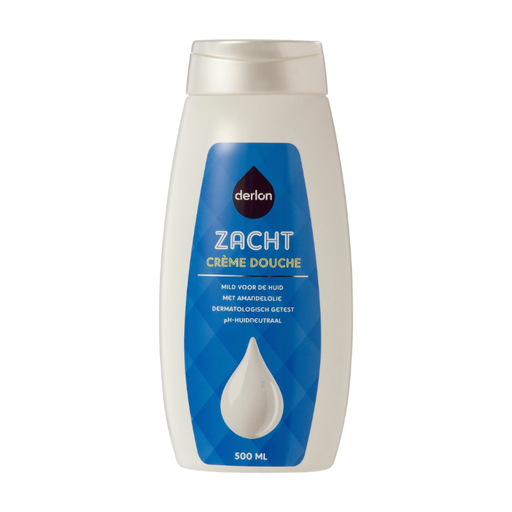
Why it suits this profile: The 500 ml size is practical for daily use, and the product is described as a gentle body wash that cleanses and moisturises the skin.
The choice is based on clear basic information and volume, rather than exaggerated fragrance or luxury claims. However, check the listed fragrance allergens.
500 ml; contains glycerine, almond seed oil and decyl glucoside according to the ingredients list.
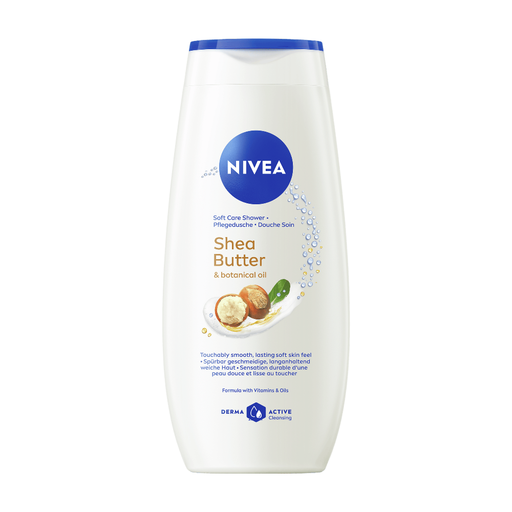
Why it suits this profile: According to the product information, this shower gel combines a compact size with shea butter, almond oil, grapeseed oil, glycerine and vitamins C and E.
The caring ingredients appear alongside the cleansers in the INCI list. This allows you to check the formula instead of relying solely on the packaging.
250 ml; pH skin-neutral according to NIVEA; bottle made from 97% recycled plastic according to the product description.
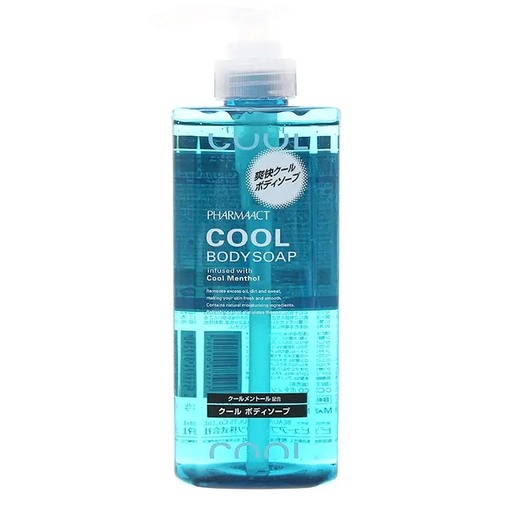
Why it suits this profile: The 550 ml pump bottle is suitable for frequent use. The product description mentions a cooling sensation and a combination of cleansing and moisturising.
The choice is based on the size, pump packaging and described use. A cooling sensation is a sensory experience, not a medical effect.
550 ml; pump bottle; variant designed to provide a fresh, cooling shower experience.
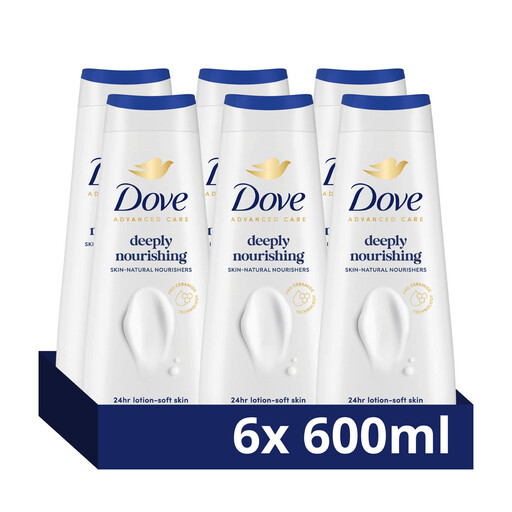
Why it suits this profile: Six 600 ml bottles provide a substantial total supply for families, shared bathrooms or people who use a lot of body wash every day.
The volume per bottle and number of items are clearly stated. Calculate the price per 100 ml in advance and check that you will actually use this quantity.
6 × 600 ml; formula with glycerine and plant-based moisturisers according to the product description; intended for daily use.
We have put together a complete, up-to-date list of products that fully meet these strict selection criteria and the applicable European safety regulations.
According to their product information, most of the products mentioned are intended for daily use. Use a small amount, rinse thoroughly and avoid contact with the eyes. Stop using the product if redness, itching or irritation occurs. You can discuss persistent symptoms with a doctor or pharmacist.
Shower gel is usually liquid and lathers when it comes into contact with water. A shower cream often has a creamier texture and is frequently chosen for dry skin. A shower mousse comes out of a pressurised container as a light foam and, depending on the product information, may also be suitable for shaving. The choice mainly comes down to texture, how it feels on your skin and the packaging.
This depends on the amount used per shower, the number of users and the size of the bottle. A 250 ml bottle is suitable for trying a product first; 450 to 600 ml is more practical for frequent use. Always check the expiry or PAO information on the packaging and store the bottle according to the manufacturer’s advice.
