
Vandaag of morgen in huis

Kwaliteit gegarandeerd

Welkomstaanbiedingen ontgrendelen: GRATIS bezorging | Tot 80% korting | Gratis 30 dagen JoyPlus-proefperiode
Download de app
A shower gel might seem like a simple product, but the options vary greatly in composition, scent, usage and price per millilitre. A small bottle can be handy for travel, while a large shower gel pack for the family can work out more cost-effective. The right choice mainly depends on your skin type, when you'll use it, and the ingredients you want to avoid.
Terms like "hydrating", "natural", "gentle" or "for sensitive skin" sound clear enough, but always check the full product information. Look at the ingredients list, the volume and the stated usage, for example. A product may be described by the brand as suitable for daily use, without necessarily feeling pleasant on every skin type.
Claims about performance should also be read in the right context. If it says a formula supports the skin barrier, that's a claim from the brand, not a proven medical effect. According to the brand's own research or product information, a particular formula may have nourishing properties. Stop using it if irritation occurs and avoid contact with the eyes.
A 1-litre bottle might look appealing, but work out the price per 100 ml. Also pay attention to the dispensing system. A pump bottle can help reduce waste, whereas a large bottle without a good cap can easily dispense too much product. For a household with multiple users, a large shower gel pack can be practical; for occasional use, a smaller size is often more sensible.
A strong fragrance or rich lather says nothing about suitability for dry or sensitive skin. Fragrance ingredients can be less pleasant for some users. So check whether perfume and known fragrance allergens appear on the ingredients list. If you're mainly looking for a gentle cleanse, it's better to focus on the formula rather than the packaging or scent name.
For dry skin, look for a hydrating shower gel or shower cream containing ingredients like glycerine, oils or other nourishing components. Dove's product description mentions glycerine and plant-based nourishing ingredients. That supports its positioning as a shower gel for dry skin, but everyone's skin reaction remains personal.
For sensitive skin, a short ingredients list, a pleasant fragrance and clear usage information are important. Products like NIVEA Men Sensitive Shower Gel are described in the product information as pH-skin-neutral and dermatologically approved. These are product claims from the brand; they don't guarantee suitability for every user.
If you're specifically looking for a sulphate-free shower gel, check the ingredients list rather than just looking at the front of the bottle. The product information for Dove Advanced Care mentions a formula without SLES sulphates. Other products list Sodium Laureth Sulfate in the ingredients. That doesn't automatically make a product unsuitable, but it is a relevant difference if you want to avoid this ingredient.
Choose a size that fits your routine:
Also look out for extra features. A 3-in-1 shower gel for body, face and hair can save space, but isn't always the best choice for each area. A product that's described as suitable for body and hair, like Brut Shower Gel Attraction Totale, mainly offers convenience. For the face, some users prefer a separate product.
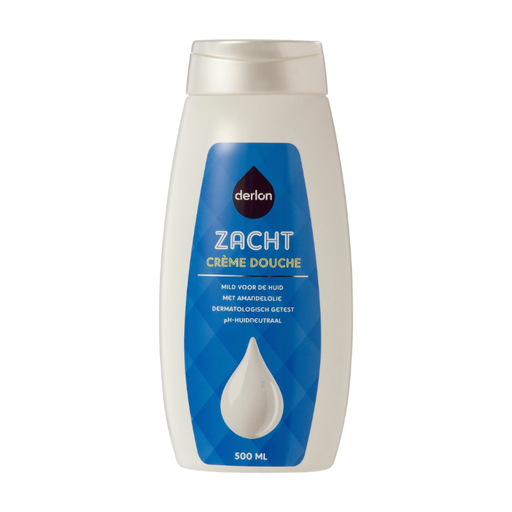
Why this fits the profile: A straightforward 500 ml size for daily use, without extra features you might not need.
The product description mentions a creamy body wash that cleanses and hydrates; do check the current ingredients and price per 100 ml.
500 ml volume; glycerine and almond oil are listed in the stated ingredients list.
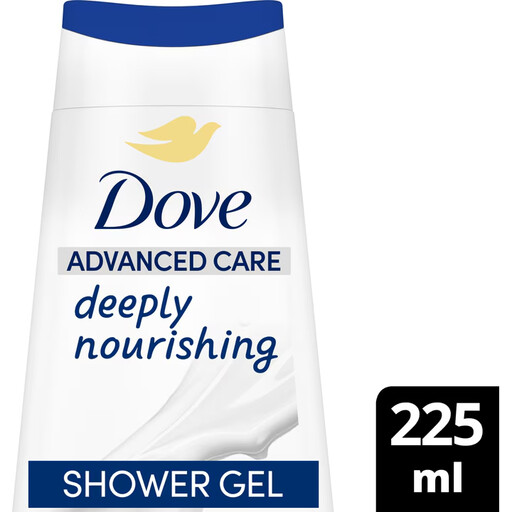
Why this fits the profile: Aimed at shoppers who pay attention to a vegan formula, sulphate-free shower gel and information about packaging.
The product information states vegan, dermatologically tested and sulphate-free. Check the packaging for the current composition.
225 ml; according to the brand's product information, a vegan formula and 98% biodegradable formula.
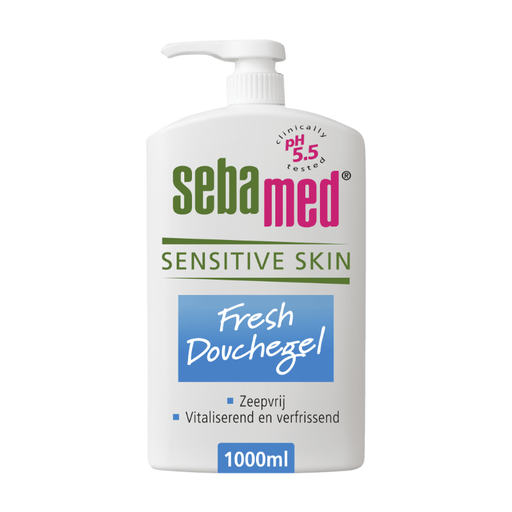
Why this fits the profile: The 1-litre pump format is practical for a family, shared bathroom or frequent use.
The volume and pump make dispensing easier than with a large bottle without a dosing aid.
1,000 ml volume; pump bottle; ingredients list includes lactic acid, niacinamide and allantoin.
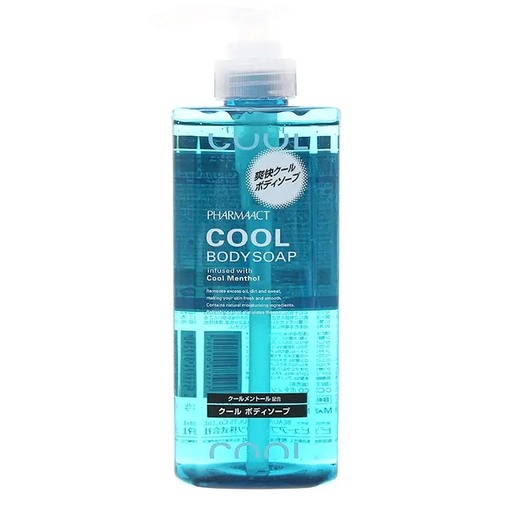
Why this fits the profile: According to the product description, this variant is designed for a cooling sensation after showering, for example in warm weather or after exercise.
The product information mentions both cleansing and hydration. The cooling sensation is a user experience, not a medical effect.
550 ml; pump bottle; according to the product information, suitable for daily use and all skin types.
We've put together a full, up-to-date list of products that fully meet these strict selection criteria and comply with current European safety regulations.
The terms are often used interchangeably. Shower gel is usually a gel-like cleanser, body wash is the broader English term, and shower cream often has a creamier texture. Focus on the ingredients, your skin type and the stated usage.
Choose a formula that's described in the product information as suitable for dry or sensitive skin, and check for perfume, fragrance allergens and cleansing agents. A hydrating shower gel can feel pleasant, but it doesn't replace personal skincare advice. If in doubt, test a small amount first.
That depends on the number of users and how much you use per shower. A 250 ml bottle typically lasts less time for one person than a 500 ml or 1-litre bottle. A pump can help with more even dispensing. So compare not just the purchase price, but also the volume and expected usage.
