
Vandaag of morgen in huis

Kwaliteit gegarandeerd

Welkomstaanbiedingen ontgrendelen: GRATIS bezorging | Tot 80% korting | Gratis 30 dagen JoyPlus-proefperiode
Download de app
Buying a new shower gel might seem straightforward, but the differences are often in the small details. An appealing scent doesn’t tell you much about how a product will suit your skin. Terms like “hydrating”, “mild” or “natural” can also be misleading without context.
So, watch out for three common pitfalls:
The ingredients are listed in descending order on the packaging. Look for substances that match your preferences, such as glycerine, oils or mild cleansing agents. If you react quickly to fragrances, it’s better to look for a fragrance-free shower gel and check the list for perfume allergens.
A product claiming to be “mild” or “hypoallergenic” is no guarantee it’s suitable for everyone. According to the product description, Sanex, for example, mentions a formula with 0% perfume, sulphates, colourants and microplastics. Always check the current packaging, as formulations can change. Stop using it if irritation occurs and avoid contact with the eyes.
For dry skin, a shower gel for dry skin or a shower cream with glycerine, oils or nourishing ingredients can feel pleasant. Dove states for several variants a sulphate-free formula and a vegan certification from PETA. These are product claims from the brand; they should be read alongside the ingredients list.
For sensitive skin, fewer fragrances and a simple formula are often practical selection points. A pH-neutral formula can also be a preference. That doesn’t automatically mean a product is suitable for every skin type. If in doubt, try a small amount first and follow the usage instructions.
Don’t just compare the price of a bottle, but also the price per 100 ml. The range includes small packs of 225 or 250 ml, as well as bottles of 400, 500, 550 and 1,000 ml. For a household, a shower gel value pack could be interesting, for example Dove with multiple 600 ml bottles. For occasional use, a single bottle is more practical.
Also pay attention to the packaging. NIVEA states for certain variants a bottle made from 97% recycled plastic, excluding the label. Dove states for some products 100% recycled plastic, again with exceptions for the cap and label. This information comes from the brands’ product descriptions; compare the details on the product itself when sustainability matters to you.
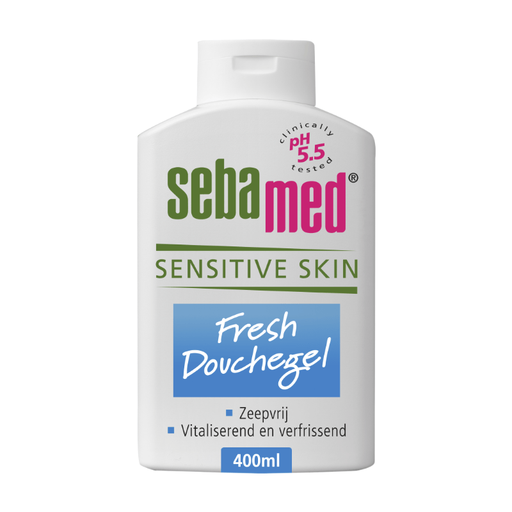
Why this fits the profile: A straightforward 400 ml bottle for daily use, without committing to a large multipack straight away. The product description mentions, among other things, lactic acid, niacinamide and allantoin.
The full ingredients list is available, so you can check perfume and other components in advance rather than relying solely on a marketing term.
400 ml content; apply to wet skin and rinse thoroughly according to the product instructions.
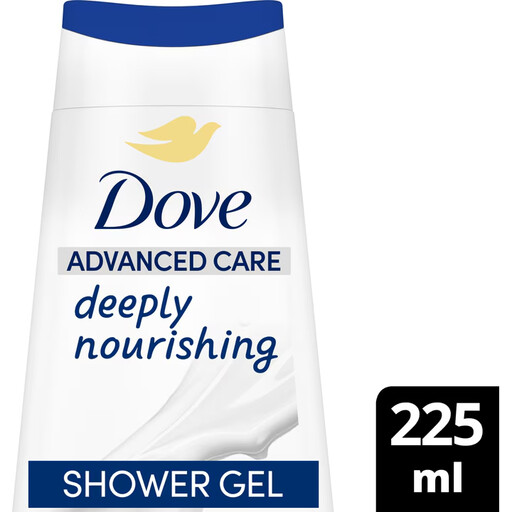
Why this fits the profile: According to the product description, this vegan body wash is certified by PETA and designed for dry skin. The formula is, according to Dove, sulphate-free and contains glycerine and plant-based oils.
The description mentions concrete features such as vegan certification, sulphate-free and dermatologically tested. Check for perfume allergens if you are sensitive to them.
Vegan formula according to PETA; 225 ml; aimed at dry skin according to the product information.
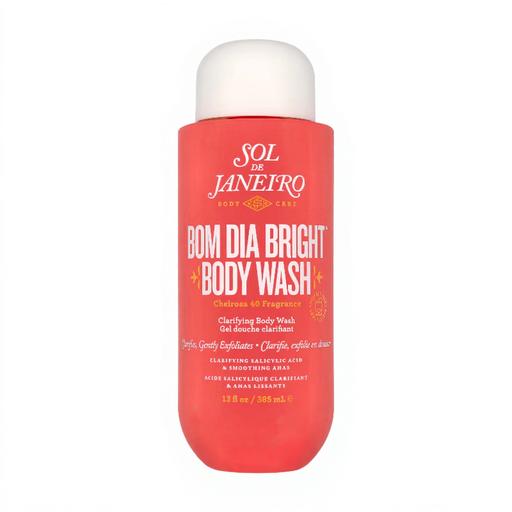
Why this fits the profile: According to the product description, this body wash contains AHAs, salicylic acid and lactic acid, and is intended for users looking for an exfoliating shower gel.
The active ingredients are clearly stated. Use this type of shower gel according to the label and stop if irritation occurs; acids are not suitable for every skin type.
385 ml content; AHA and BHA body wash according to the product description; vegan and sulphate-free according to the stated product specifications.
We’ve put together a full, up-to-date list of products that fully meet these strict selection criteria and comply with current European safety regulations.
Most products in this category are designed for daily use, but the right choice depends on your skin and the formula. Don’t use more than necessary, rinse thoroughly, and if you have dry or sensitive skin, choose a formula that suits it.
A shower gel usually has a lighter gel texture and a fresh, foamy feel. A shower cream is often creamier and regularly contains nourishing ingredients like glycerine or oils. The name doesn’t tell you everything: check the ingredients and the skin type the product is intended for.
No. A shower gel with AHA BHA contains exfoliating acids and is intended for specific use. Follow the instructions on the packaging, avoid contact with the eyes, and stop if you experience a burning sensation, itching or redness. If symptoms persist, seek advice from a healthcare professional.
