
Vandaag of morgen in huis

Kwaliteit gegarandeerd

Welkomstaanbiedingen ontgrendelen: GRATIS bezorging | Tot 80% korting | Gratis 30 dagen JoyPlus-proefperiode
Download de app
Shower gel may seem like a straightforward purchase, but the differences between formulas, fragrances and how they feel on your skin can be significant. A product may smell pleasant and create a rich lather, yet leave your skin feeling tight after showering. Terms such as “natural”, “moisturising” and “wellness” do not always tell the whole story either.
With this practical guide, you can focus on the information that really matters: ingredients, skin type, volume, use and packaging. That way, you can find a shower gel for everyday cleansing, a nourishing shower gel for dry skin or a wellness shower gel for a relaxing moment at home.
A long-lasting fragrance can be pleasant, but perfume and fragrance ingredients reveal little about a body wash’s cleansing or caring properties. Sensitive skin may also react to certain fragrance allergens. So check the ingredients list and, if in doubt, choose a formula with a subtle fragrance or no perfume.
A natural shower gel does not automatically contain ingredients that every skin type will tolerate well. Essential oils and plant-based fragrances can also cause a reaction. As well as looking for certifications such as NATRUE, check the full ingredients list and the manufacturer’s guidance.
When a brand refers to a gentle effect, skin friendliness or support for the skin’s moisture balance, this information comes from the product description. According to information provided by the Weleda brand, for example, certain formulas are made with ingredients of natural origin and plant-based cleansing agents. This does not guarantee that every product is suitable for every skin type.
A 200 ml bottle may appear cheaper than a 400 ml pack, but the price per 100 ml gives you a fairer comparison. Also consider the texture: a shower cream or foaming shower gel may dispense differently from a standard gel. A larger pack is only good value if you enjoy the fragrance and formula enough to use it every day.
Many standard products are suitable for normal skin. If you have dry skin, a moisturising shower gel containing glycerine, plant oils or nourishing ingredients may feel more comfortable. A sulphate-free formula, such as the Dove Advanced Care Restoring Shower Gel according to the product information, may be worth considering if you are looking for gentle cleansing.
Remember that “sulphate-free” does not mean “suitable for everyone”. Check the full ingredients list and stop using the product if irritation occurs. Avoid contact with the eyes and always follow the label instructions.
Choose a refreshing shower gel with citrus, mint or aquatic notes for the morning or after exercising. Lavender, bergamot, cedarwood and white lotus are more suited to an evening routine or a relaxing shower gel. Fragrance is a personal choice, so do not just read “wellness”; check the fragrance components listed.
If you are sensitive to perfume, it is a good idea to check the ingredients list for fragrance allergens. Palmolive Thermal Spa Mineral Massage, for example, lists perfume and fragrance ingredients such as Hexyl Cinnamal and Linalool in its product information.
Compare the volume: the range includes packs of 200, 225, 250, 300 and 400 ml, among others. Also check the type of packaging. A tube is convenient for a small bathroom or gym bag, while a dispenser can be practical in the shower.
Sustainability claims should be specific. For certain variants, Palmolive states that they contain recycled or recyclable plastic and have a biodegradable formula. Weleda describes selected products as having a biodegradable formula. Always check whether the claim applies to the formula, bottle, cap or the product as a whole.
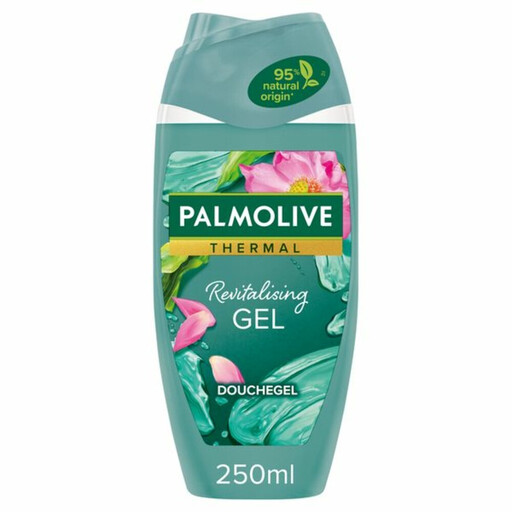
Why it suits this profile: The bottle contains 250 ml and combines a wellness fragrance with a gel texture for everyday use. The product information states that 95% of the ingredients are of natural origin and that the formula is 95% biodegradable.
The relevant sustainability claims are clearly specified for the formula and packaging, rather than being limited to a general wellness promise.
250 ml; 30% recycled plastic according to the product information; suitable for a fresh wellness routine.
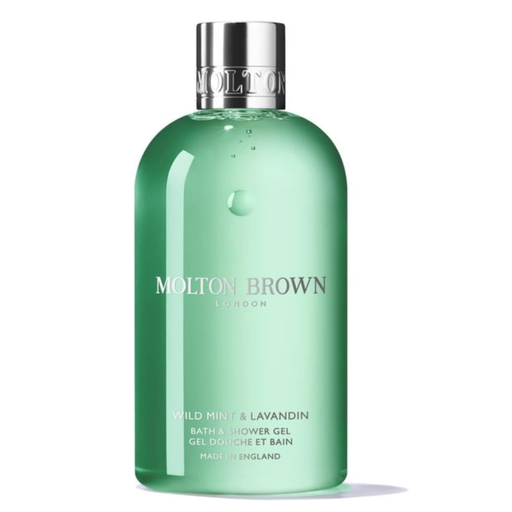
Why it suits this profile: This bath and shower gel is designed for use in both the shower and bath, with a fragrance profile featuring wild mint and lavender. The product information states that it has a vegan, paraben-free formula and contains 300 ml.
The choice is based on verifiable details such as volume, use and formula claims, not just the appearance of a luxury product.
300 ml; suitable for baths and showers; vegan and paraben-free according to the product details.
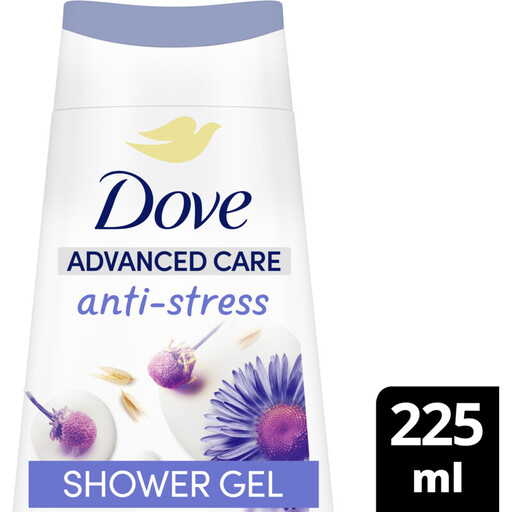
Why it suits this profile: For everyday use on dry or sensitive skin, a sulphate-free shower gel may be worth considering. According to the product information, this formula contains glycerine, coconut oil and almond extract.
The product choice looks beyond fragrance and lather: the sulphate-free formula and stated target group are clearly specified.
225 ml; sulphate-free formula according to the product details; vegan and packaged in recycled plastic, excluding the cap and labels.
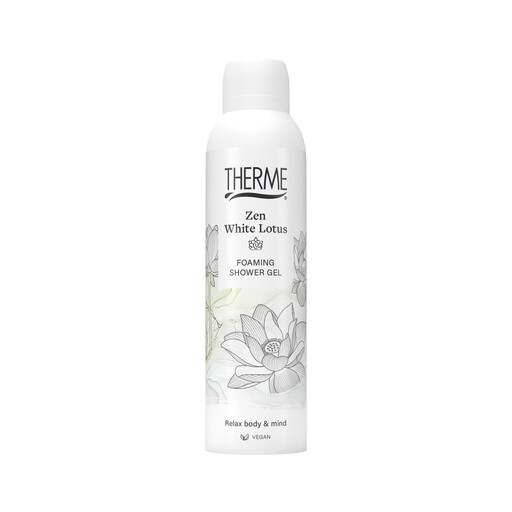
Why it suits this profile: The gel transforms into foam when used and combines white lotus with jasmine and white musk. It is ideal for anyone looking primarily for a sensory wellness experience.
The foaming experience is described as a product feature. The formula is not presented as natural, avoiding confusion between vegan and natural ingredients.
Rich lather; vegan according to the product information; 200 ml dispenser pack.
We have put together a complete, up-to-date list of products that fully meet these strict selection criteria and the applicable European safety regulations.
That depends on the formula and your skin. According to the packaging, many products are intended for everyday use. A gentle shower cream or moisturising shower gel may feel more comfortable if your skin tends to feel dry quickly. Always check the directions for use.
Shower gel usually has a lighter gel texture and focuses primarily on cleansing and fragrance. Shower cream is creamier and often contains nourishing ingredients such as glycerine or plant oils. Ultimately, the difference lies in the specific formula, not just the product name.
Check the packaging for the shelf life and the open jar symbol, for example 12M means twelve months after opening. Keep the bottle closed, at room temperature and out of direct sunlight. A foaming variant in a pressurised container may have additional safety instructions; always follow them.
