
Vandaag of morgen in huis

Kwaliteit gegarandeerd

Welkomstaanbiedingen ontgrendelen: GRATIS bezorging | Tot 80% korting | Gratis 30 dagen JoyPlus-proefperiode
Download de app
Cluttered shampoo bottles, soap residue on the floor, and a constant battle for space in the shower. Sound familiar? A good shower caddy seems like a simple solution, but the market is filled with pitfalls. Many caddies promise the world but end up as a rusty disappointment or a pile of plastic on the shower floor.
As a Joybuy Product Recommendation Officer, I filter the noise from the market. In this guide, I'll help you recognise the three most common pitfalls and explain what to look for to make a purchase you'll enjoy for years to come.
Before you purchase a shower caddy, it's important to know what often goes wrong. Manufacturers use appealing terms, but the reality can be quite different.
To avoid the pitfalls, focus on a few objective specifications. These determine the quality and lifespan of your bathroom organiser.
The choice of installation method is the most critical. It determines stability and whether you'll damage your walls.
The material determines not only the look but also how well the caddy withstands the humid conditions in the shower.
Think about the layout of your shower space and your storage needs.
Below is a selection of products that suit different needs and situations, based on their specifications.
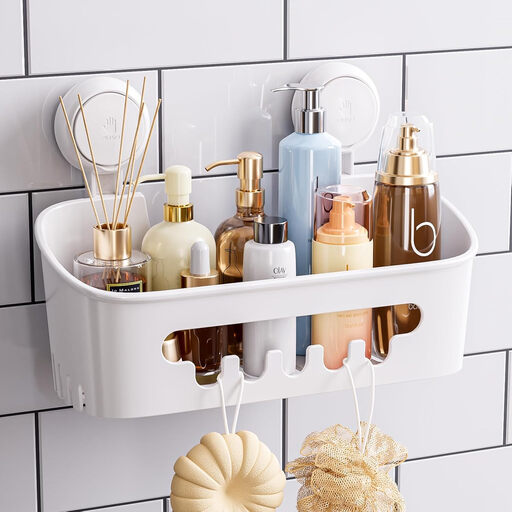
Why This Fits Their Persona: Ideal for anyone who doesn't want to—or isn't allowed to—drill holes in their tiles. This shower caddy is designed to be moved and reused, perfect for a rental property.
Tackles the 'wobbly suction cup' pitfall. According to the manufacturer TAILI, the TPE material of the suction cups is based on an octopus's suction power and adheres strongly by forcing the air out. It is specifically designed for smooth, non-porous surfaces.
No tools required and ready to use instantly. The manufacturer claims a load capacity of up to 10 kg (22 lbs) and the design with 22 drainage holes keeps your items dry.
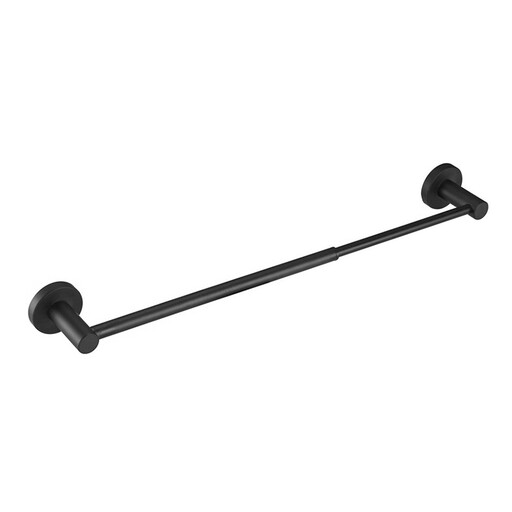
Why This Fits Their Persona: For those who want to combine functionality with a modern aesthetic. This sleek, black shower caddy adds a design element to the bathroom without compromising on usability.
Bypasses both the drilling and suction cup pitfalls. This caddy clamps directly onto the shower rod, ensuring a stable installation without the risk of detachment or wall damage. The minimalist construction with good drainage prevents water build-up.
Stylish and modern black shower caddy. The height is adjustable, allowing you to tailor it precisely to the size of your bottles. Installation is simple and requires no tools.
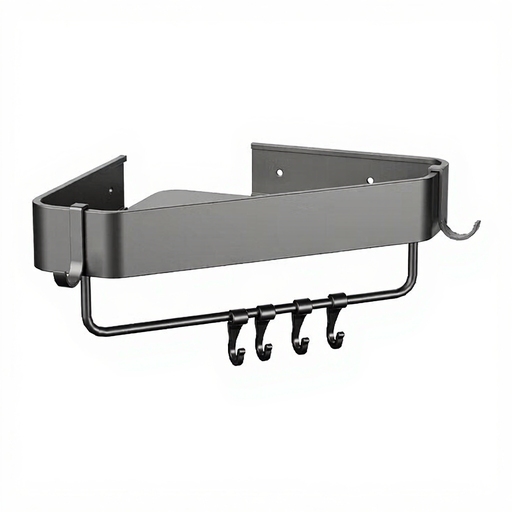
Why This Fits Their Persona: Perfect for those who want to utilise every inch of a (small) bathroom. This corner shower caddy model uses a frequently overlooked space while still providing ample room for essential shower items.
This caddy uses adhesive mounting, a strong alternative to suction cups that still requires no drilling. The aluminium material is lightweight and rust-resistant, thus avoiding the 'rust pitfall'. Its thickened and enlarged design is aimed at a higher load capacity.
Efficient use of space thanks to the corner design. The no-drill installation is sturdy, and the aluminium material ensures a long lifespan in a humid environment.
We have compiled a complete, up-to-date list of products that meet these strict selection criteria and comply with current regulations.
Here are answers to a few questions that are often asked when purchasing a shower caddy.
No, the surface is crucial. A suction cup shower caddy will only adhere reliably to completely smooth and non-porous surfaces like glass, high-gloss tiles, and acrylic panels. They do not work on grout lines, matte tiles, or plastered walls. Systems with adhesive strips are often more suitable for lightly textured tiles, but always read the manufacturer's instructions to check if your wall is compatible.
High-grade stainless steel (like type 304) is highly resistant to rust. However, cheaper variants or caddies with a 'stainless steel look' coating can rust if the protective layer is damaged by scratches or harsh cleaning agents. To extend the life of any metal bathroom rack, it is advisable to dry it regularly and clean it with a soft cloth.
The load capacity varies enormously by product and installation method. A caddy mounted with screws can typically hold the most weight (often 10 kg or more). For no-drill systems, it's important to check the manufacturer's specifications. A good no-drill shower caddy with adhesive strips can often hold 5 to 10 kg, while the capacity of suction cups depends heavily on their quality and the surface. Never exceed the recommended limit to prevent the caddy from falling.
