
Vandaag of morgen in huis

Kwaliteit gegarandeerd

Welkomstaanbiedingen ontgrendelen: GRATIS bezorging | Tot 80% korting | Gratis 30 dagen JoyPlus-proefperiode
Download de app
Buying shoes online may seem straightforward, but an attractive photo reveals little about fit, materials or intended use. A pair that works well with a casual outfit may not feel comfortable during a long walk. Sizes can also vary between brands, while features such as “comfortable” or “durable” are sometimes described rather loosely.
These three pitfalls are particularly common:
Relying on size alone
An EU size is not exactly the same for every brand or model. The shape of the toe box, the width of the shoe and the amount of room around the toes all have a major impact on the fit.
Choosing a shoe for the wrong purpose
Trainers, casual shoes and sports shoes are not automatically suitable for running. Walking shoes require different features from women’s everyday shoes or lightweight clogs for the garden.
Confusing marketing claims with verifiable specifications
Terms such as “extra grip”, “maximum comfort” or “waterproof” are difficult to assess without technical explanations. Instead, look at the materials, fastening, sole type and specific intended use. Claims about performance come from the brand or product description and should not be interpreted as a universal result.
Measure both feet at the end of the day while wearing the socks you would normally wear with the pair. Measure from the heel to the longest point of the toe and compare this with the product’s size chart.
Pay attention to the width as well. Some models, for example, specify D, G or “regular fit”. This is useful information if you have a wider forefoot. If you are between two sizes, a larger size may provide more room, but this varies by model. The product page should always be your main reference.
Children’s shoes require extra checking. Children grow quickly, but an overly large shoe can feel less stable when walking and playing. A model such as the Skechers Meteor-Lights in size 32 specifies a regular fit, width D and a hook-and-loop fastening. These are practical details that can be checked for everyday use.
The sole determines how a pair feels and what it is suitable for:
A thicker sole is not automatically more comfortable. Weight, flexibility and the way the shoe secures the foot are at least as important.
Textile and mesh may feel more breathable, while leather, suede and synthetic materials have different care requirements. Always check the care instructions. Many models should not be put in the washing machine and should be dried at room temperature, away from direct heat.
For many shoes, EU law provides a minimum two-year legal guarantee when the product does not conform to the contract. This does not guarantee that a pair will last indefinitely with intensive use. Wear and tear caused by use, care and conditions all play a part. Keep your order details and read the seller’s terms and conditions.
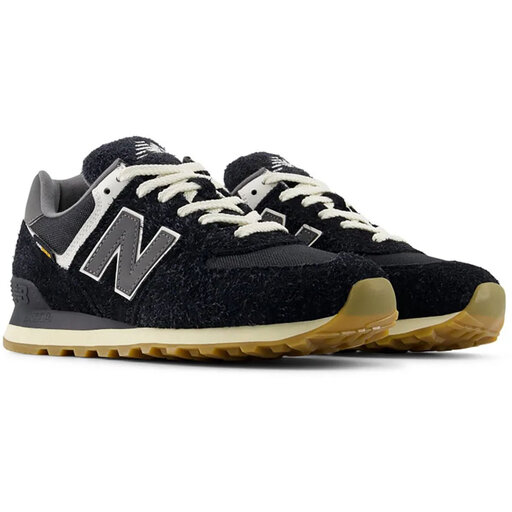
Why it suits this profile: This model combines a retro look with features designed for everyday use. The mix of suede and mesh is ideal for anyone looking for one pair to wear with casual outfits, to work and on light walks.
The product information specifies the materials, rubber outsole and supportive midsole. This means you can base your choice on concrete details rather than appearance alone.
Suede and mesh, a rubber sole, a regular casual fit and a colourway that works with a range of outfits.
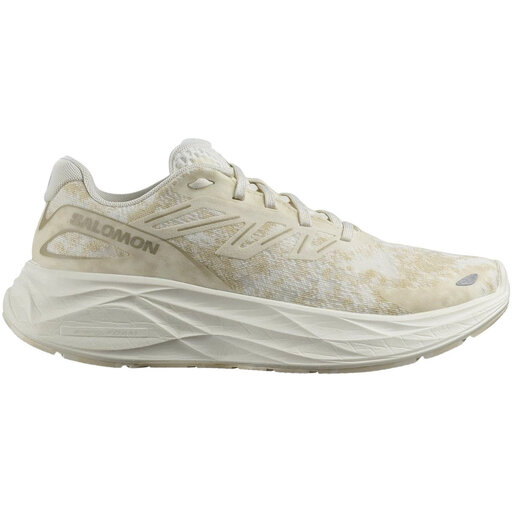
Why it suits this profile: According to the product description, these women’s shoes are designed for running on hard surfaces such as asphalt. They are a good fit for regular training and urban routes.
The intended use is clearly described. You are therefore choosing this model not just for its appearance, but based on the stated sole, lining and suitability for asphalt.
Rubber sole, synthetic-textile upper, textile lining and a lace-up fastening for an adjustable fit.
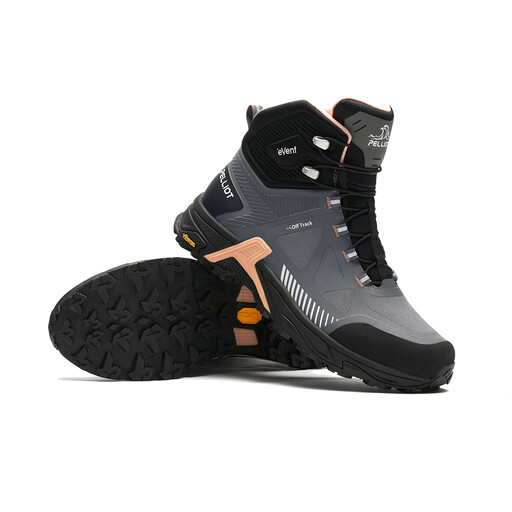
Why it suits this profile: This model is designed for camping, trekking and terrain with mud, loose stones or water. The high shaft and protective toe are relevant features for anyone demanding more than ordinary walking shoes can offer.
Rather than a flat casual sole, the product description specifies a tread pattern for wet and loose ground, along with a protective toe. Always check the fit and current product specifications.
Hard-wearing synthetic outer, profiled rubber sole, high-top design and quick-lacing system according to the product information.
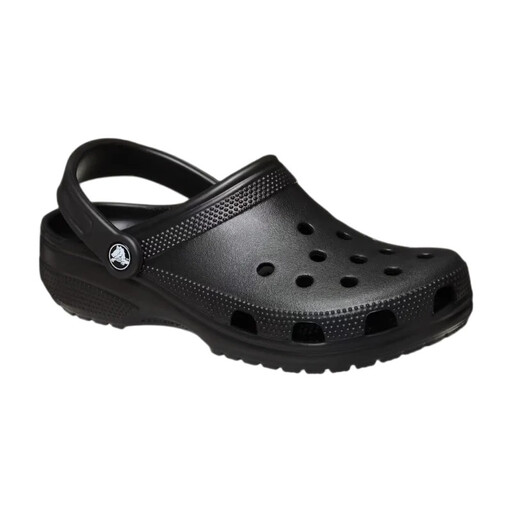
Why it suits this profile: This clog is intended for use at home, in the garden, around the pool or on short everyday trips. The slip-on construction and pivoting heel strap make it easy to wear.
The product information specifies the material, sizing advice and care instructions. This makes it clear in advance that it can be cleaned with soap and water, while extreme heat should be avoided.
Lightweight Croslite material, ventilation openings, pivoting heel strap and sizing advice allowing room between the heel and toe.
We have put together a complete, up-to-date list of products that fully meet these strict selection criteria and the applicable European safety regulations.
Place your foot on a sheet of paper and draw around it. Measure the distance from the heel to the longest toe and repeat this for both feet. Then use the size chart for the specific model. Also check the stated width and the guidance for a foot length that falls between two sizes.
This depends on the materials, frequency of use, body weight, surface and care. Casual shoes that are rotated with other pairs may keep their shape for longer than a single pair used intensively every day. Replace a pair when the sole has become noticeably smooth, the construction starts to come apart or the fit no longer feels stable.
You can for light everyday activities, but pay attention to the model’s intended purpose. Running shoes such as adidas running shoes are designed around movement and surface; trainers such as Vans shoes, Nike Dunk Low or Puma Speedcat are mainly intended for casual use. For long walks or demanding terrain, walking shoes are generally a more sensible choice than ordinary trainers.
