
Vandaag of morgen in huis

Kwaliteit gegarandeerd

Welkomstaanbiedingen ontgrendelen: GRATIS bezorging | Tot 80% korting | Gratis 30 dagen JoyPlus-proefperiode
Download de app
Buying shoes online may seem straightforward, but an appealing photo tells you little about fit, materials or intended use. If you focus only on colour or discounts, you could end up with shoes that pinch, wear out quickly or are unsuitable for the activity you bought them for. Use these practical checks to compare shoes and trainers based on features you can assess in advance.
Many casual trainers have a sporty shape, but they are not designed for running or intense training. A flat rubber sole may be perfectly suitable for everyday use, but it does not automatically provide the cushioning, grip or support you need from sports shoes.
So start by considering how you will use them:
Comfort is personal. A brand may describe an insole as comfortable based on its own research or product information, but that does not mean every foot type will have the same experience. Instead, check the fit, shoe width, insole and midsole.
A regular fit is not the same as a wide fit. If you have wide feet, a high instep or wear thicker socks, check the available width and the space around the toes.
Leather, fabric, mesh and synthetic materials all have different properties. Leather can be hard-wearing and often needs to be treated with a waterproofing product. Mesh is generally lightweight and breathable, but may offer less protection from rain. Canvas is lightweight and a familiar feature of many classic trainers, but it is not automatically waterproof.
Always check:
Ideally, measure your feet at the end of the day, when they often take up slightly more space. Compare the measurement with the size chart for the specific model. An EU size may feel different from one brand or model to another.
Pay attention to the following points:
With children’s shoes, buying for growth with too much extra room is not always practical. A loose shoe may feel less stable. So check regularly whether size 30, for example, is still suitable, and follow the model’s size chart.
The midsole affects how a shoe feels when you walk or run. In product specifications, you may come across EVA, IMEVA, Cloudfoam, Lightstrike or Lightstrike Pro. These are brands’ material or technology names; the experience depends on the construction and your personal preference.
According to PUMA’s product information, IMEVA is designed to provide a lightweight and comfortable feel. adidas states that the Adizero Boston 13 has a Lightstrike Pro midsole with ENERGYRODS. This information describes the product’s construction, but does not guarantee that the shoe will feel the same for every runner.
A rubber outsole is suitable for many everyday activities, but the tread pattern also influences how much grip you have. A flatter tread is often sufficient for a city walk. For wet paths, mud or loose ground, a deeper tread makes more sense.
Do not automatically use a lightweight trainer on rough walking trails. Check whether the product description specifically refers to road use, trail running, training or everyday wear. This helps you avoid buying a model whose sole does not suit your routine.
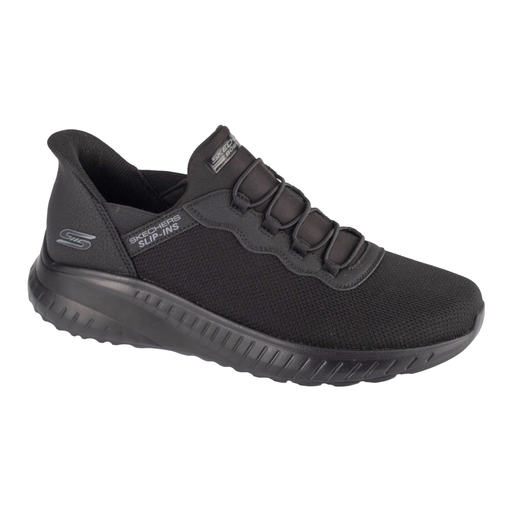
Why it suits this profile: A black low-top trainer with a regular fit for everyday wear. The product information states that it has a textile upper, rubber sole and recommends ordering your usual size.
The specifications mention the material, fit and shoe width rather than relying only on general comfort claims. However, check for yourself that size 42.5 is suitable for your feet.
Regular fit; textile upper; rubber sole; according to the product information, machine-washable on a gentle cold cycle.
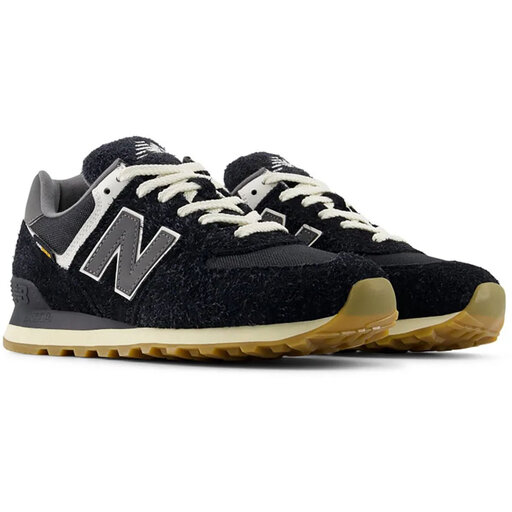
Why it suits this profile: A versatile trainer for anyone who wants to combine a classic design, suede and mesh with a supportive midsole for everyday wear.
The combination of suede, mesh and rubber is clearly stated in the product information. This means you can take the materials and care requirements into account before making your choice.
Suede and breathable mesh; rubber outsole; retro profile; suitable for casual and light sporting use according to the product description.
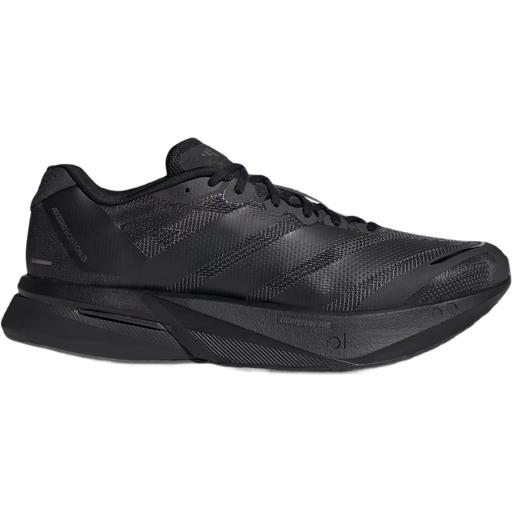
Why it suits this profile: Designed for intensive training sessions and race preparation. According to adidas, the shoe has a textile upper and a midsole with Lightstrike Pro and ENERGYRODS.
Its intended use is clearly described as speed training and race preparation. This makes the distinction from ordinary casual trainers clear.
Lightweight textile; Lightstrike Pro midsole; ENERGYRODS; Lighttraxion outsole with Continental Rubber at the forefoot according to the product specifications.
We have put together a complete, up-to-date list of products that fully meet these strict selection criteria and the applicable European safety regulations.
The lifespan of shoes and trainers depends on how they are used, the surface, your body weight, how well they are maintained and whether you alternate between different pairs. Allow wet shoes to dry at room temperature and avoid direct heat. For leather trainers, use a suitable waterproofing product if recommended in the product information.
Only machine-wash shoes when the manufacturer explicitly says that it is safe to do so. Skechers does indicate this for certain models, while others should be cleaned with a damp cloth instead. Always check the instructions for the exact pair rather than relying on the brand alone.
Store shoes in a dry place and allow them to air sufficiently between wears. With running shoes, it is sensible to watch for changes in cushioning, tread pattern or fit. A visibly worn outsole is a clear sign that it is time to compare your options again.
For everyday wear, casual trainers with a regular fit, sturdy rubber sole and a material suited to the season are often practical. Choose mesh or textile for a more breathable feel, and leather or synthetic material when you want more structure. Always check the size and care instructions.
Running shoes are generally designed around a specific running activity and often feature a specialised midsole and outsole. Ordinary trainers usually focus on appearance and everyday comfort. So do not automatically use casual shoes for intensive running training.
Measure both feet, compare the larger foot with the size chart and check the stated foot length. Also read whether the model has a regular, narrow or wide fit. Keep the product information and, once your shoes arrive, check that your toes can move freely and that your heel does not slip. This makes buying shoes online much more straightforward.
