
Vandaag of morgen in huis

Kwaliteit gegarandeerd

Welkomstaanbiedingen ontgrendelen: GRATIS bezorging | Tot 80% korting | Gratis 30 dagen JoyPlus-proefperiode
Download de app
Buying shoes online may seem straightforward, but an attractive photo and a low price say little about whether they are suitable for your feet or activity. Everyday trainers have different requirements from running shoes, trail running shoes or football boots. Carrying out the right checks beforehand can help you avoid a poor purchase, an uncomfortable fit or premature wear.
Not every trainer is suitable for running. A casual model may be perfectly adequate for commuting, but it may lack the cushioning, stability or grip you need over longer distances. The same applies to team sports: football boots with AG studs are designed for artificial grass, while lacrosse boots with FG studs are generally suited to natural grass.
Always check the stated activity and surface. If you are looking for basketball shoes, look for a sturdy construction and a sole suitable for the relevant sports floor. For walking in the Netherlands, a comfortable shoe with sufficient tread is often more practical than a heavy mountain boot.
An EU size is not identical across every brand or model. Width, toe-box shape and instep height also affect the fit. Some product pages state that a shoe has a standard fit, while others provide a foot length in millimetres.
Ideally, measure your foot at the end of the day, wearing the socks you normally wear. Compare the measurement with the size chart for the specific model. For example, the PELLIOT models list a foot length of 260 mm for EU 42 and 270 mm for EU 44. This is more precise than relying solely on your usual shoe size.
Terms such as “lightweight”, “maximum grip” or “premium comfort” are only useful when supported by concrete information about the material, sole and construction. According to the product description, the Salomon XA Pro 3D v9 GTX, for example, has a GORE-TEX membrane, a Contagrip rubber sole and a 3D Advanced Chassis. These are verifiable product features. Their practical performance may vary depending on the conditions and the wearer.
Also consider care requirements. Suede, mesh and synthetic leather do not all require the same treatment. A shoe that can only be cleaned with a damp cloth is less suitable if you often walk through mud.
Look at:
A little room around the toes is desirable for walking and running, but your heel should not lift out of the shoe as you walk. For high-intensity sports, an easily adjustable fastening is important to minimise movement inside the shoe.
The sole largely determines what a model is suitable for. Look out for the difference between:
A heavily treaded sole is not automatically comfortable on smooth indoor floors. You should also use football boots on the surface they were designed for. This helps ensure that grip and wear are better suited to one another.
Mesh and textile generally provide ventilation and keep weight down. Synthetic leather is easy to wipe clean and can offer a more enclosed feel. Suede has a smart appearance, but requires careful maintenance and is less practical in frequent rain.
Midsoles may use materials such as EVA, Cloudfoam or Memory Foam. Treat these as descriptions of the construction, not as a guarantee of a particular level of comfort. According to the product information, several models feature a shock-absorbing or cushioned midsole; your fit, gait and length of use remain decisive.
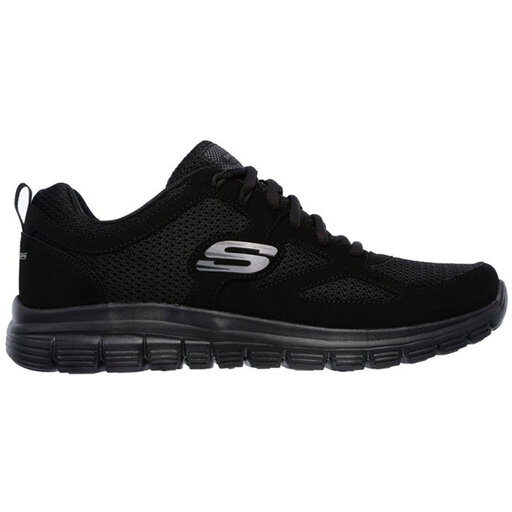
Why it suits this profile: A low-cut model for everyday use, featuring synthetic leather, mesh panels and a Memory Foam insole. The stated standard fit makes comparison easier.
The product information specifies the material, fit, fastening and care requirements. This means you do not have to rely solely on the appearance or the word “comfort”.
Mesh for ventilation, a rubber sole, lace-up fastening and a non-removable Memory Foam insole.
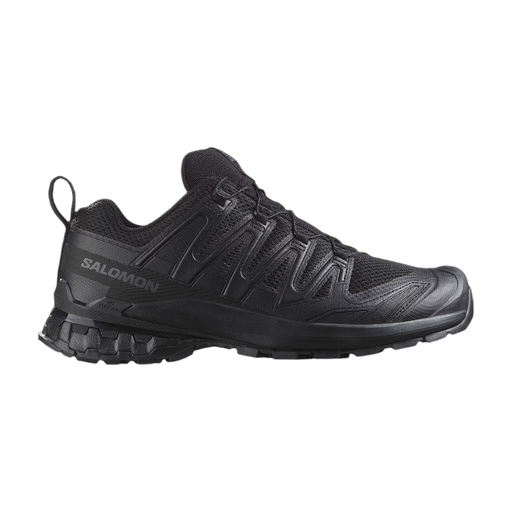
Why it suits this profile: For walkers and trail runners looking for a model with a GORE-TEX membrane, Contagrip sole and Quicklace fastening.
The product description explicitly mentions the membrane, sole type, chassis and suitability for trail running and walking. However, check that the size and fit are right for your feet.
GORE-TEX according to the product information, 3D Advanced Chassis, Contagrip rubber and Quicklace.
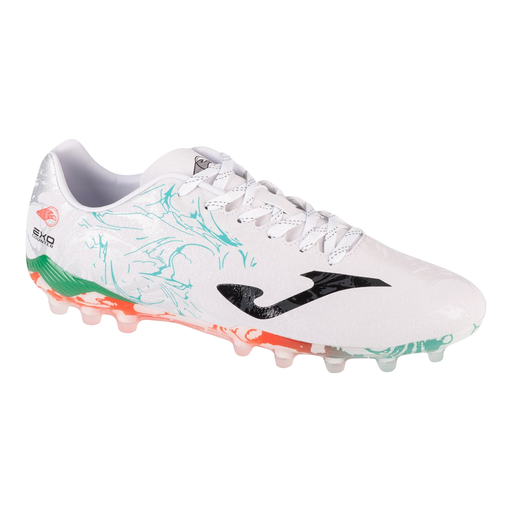
Why it suits this profile: According to the product description, these football boots are designed for adult women and for training or matches on artificial grass.
The AG sole is clearly stated. This specifies the playing surface instead of leaving you to use a general sports shoe on artificial grass.
AG studs, synthetic upper, standard fit and lace-up fastening.
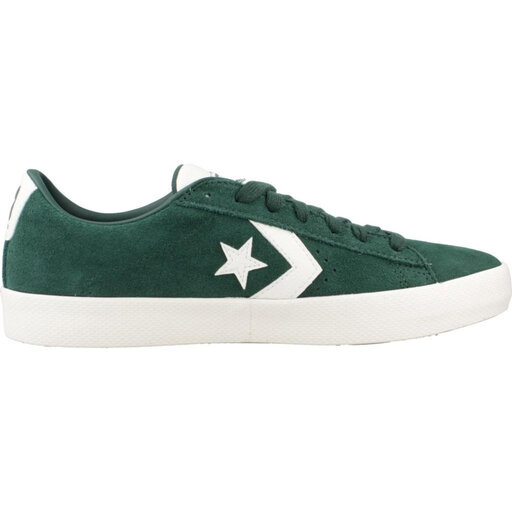
Why it suits this profile: A low-profile trainer for everyday use, casual clothing and light skate-inspired activities.
The low sole and suede upper make it clear that this is a casual trainer, not a running shoe. This helps you choose the model based on how you intend to use it.
Suede upper, vulcanised rubber sole and a padded insole according to the product description.
We have put together a complete, up-to-date list of products that fully meet these strict selection criteria and the applicable European safety regulations.
Measure both feet on a sheet of paper and use the longer measurement. Compare it with the size chart for the specific model. Also check the stated fit and width. If you are unsure about choosing between sizes, it is worth checking the returns policy before ordering.
Their lifespan depends on the material, use, surface, body weight, care and how often they are worn. Everyday trainers wear differently from running shoes or sports shoes. Check the sole for smooth patches, cracks and parts coming loose. Allow wet shoes to dry naturally and, if possible, alternate between several pairs.
According to the product description, a waterproof membrane can offer protection from moisture, but it does not automatically make a shoe suitable for every situation. Also consider ventilation, sole tread, insulation and care requirements. Breathable, lightweight shoes may be more comfortable on warm days, while waterproof shoes with good grip are often more practical for rainy walks.
