
Vandaag of morgen in huis

Kwaliteit gegarandeerd

Welkomstaanbiedingen ontgrendelen: GRATIS bezorging | Tot 80% korting | Gratis 30 dagen JoyPlus-proefperiode
Download de app
Buying shoes online sounds simple until you discover at home that the sizing is different, the sole is too stiff or the style is unsuitable for how you plan to use them. Men’s, women’s and children’s shoes also come with different considerations. A pair of everyday trainers has different requirements from sports shoes, walking shoes or football boots for artificial grass.
Use this practical checklist to compare shoes based on objective features rather than marketing language. That way, you can find comfortable footwear that suits your feet, daily routine and budget.
An attractive trainer is not automatically suitable for long days. High-top trainers, Converse trainers and other casual shoes may complement an outfit, but you should also check the insole, lining, fastening and sole construction. For example, a vulcanised rubber sole may offer grip and flexibility according to the product description, but that does not mean the shoe is suitable for running or intensive sport.
Sizes can vary between brands and models. So don’t look only at the EU size; also check the stated fit and foot length. Children’s shoes require extra attention: children can quickly outgrow a size, but an overly spacious shoe may feel less stable when walking and playing.
Sports shoes are usually designed for a specific purpose. Football boots for artificial grass have an AG sole with studs for synthetic pitches. If you use them on another surface, the grip may perform differently and wear may occur more quickly. For running on hard surfaces, features such as cushioning, running geometry and a rubber outsole are more relevant than a fashionable appearance.
Pay attention to these three points:
Measure your feet at the end of the day while wearing the socks you would normally wear with the model. Measure both feet and base your choice on the larger foot. Also check whether the product page includes specific sizing advice, such as “true to size”.
The upper affects ventilation, care and durability. According to the product description, textile and mesh can be lightweight and breathable. Synthetic materials and faux leather are generally easy to clean with a damp cloth. Nubuck leather, on the other hand, requires care with suitable leather products and should not be put in the washing machine.
Also check the lining and insole. A quilted textile insole, such as those found in certain VEJA trainers, may feel comfortable for everyday wear. The insole of the Skechers Slip-Ins Summits is not removable according to the product specifications. This is important if you normally use your own footbed.
The sole should match the activity:
A water-repellent construction is also not the same as being fully waterproof. The Nike Manoa product description mentions a water-repellent construction, so treat this as a product specification rather than a guarantee of dry feet in all conditions.
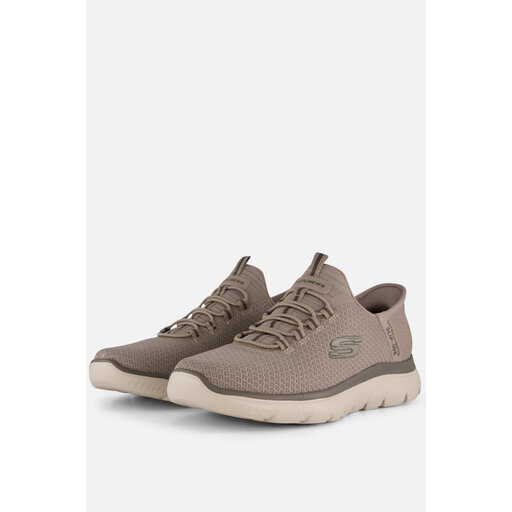
Why it suits this profile: This taupe-coloured model is designed for everyday use and features a slip-on design. The product information states that it has a regular fit, width D and a rubber tread sole.
The size and width information makes comparison easier. However, check beforehand that a non-removable insole suits your needs.
Slip-on design, regular fit and rubber sole; suitable for casual wear.
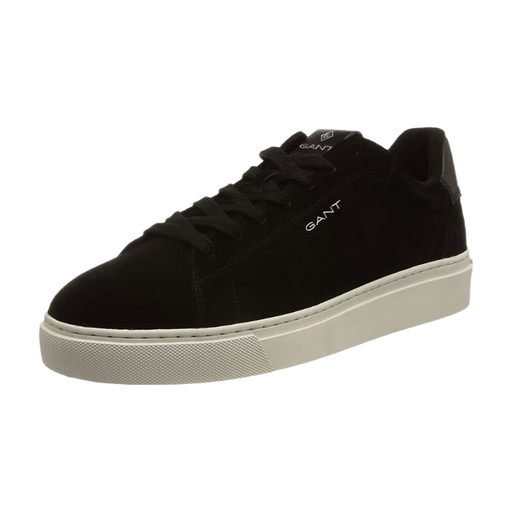
Why it suits this profile: According to the product information, this trainer combines a leather and textile upper with a quilted insole. Its shape works well with casual and smart-casual clothing.
The materials and sole are clearly specified. This helps you choose a model based on its construction, not just its brand image.
Leather and textile combination, quilted insole and rubber outsole.
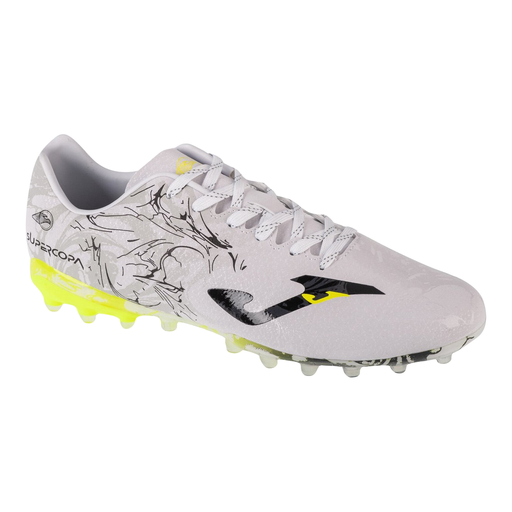
Why it suits this profile: According to the product description, this model is designed for artificial grass. The AG sole, synthetic studs, lace fastening and regular fit are relevant features for football training and matches.
The intended surface is clearly stated. Use the shoes according to the care instructions and compare your foot length with the size chart.
AG sole with synthetic studs, rubber sole material and lace fastening.
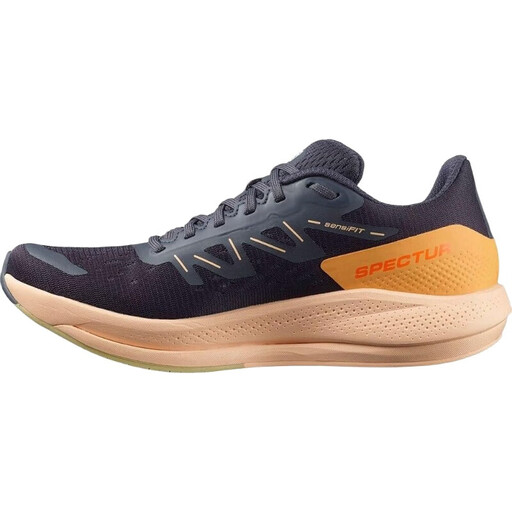
Why it suits this profile: The product information mentions Energy Surge foam, R.Camber geometry, an engineered mesh upper and a rubber outsole for running.
This model was chosen not just for its style, but for its stated running features and suitability for hard surfaces. Always check the size and personal fit.
Mesh upper, Energy Surge midsole and rubber outsole; designed for running on hard surfaces.
We’ve put together a complete, up-to-date list of products that fully meet these strict selection criteria and the applicable European safety regulations.
How long shoes last depends on the material, frequency of use, surface and care. Allow wet shoes to dry at room temperature and avoid direct heat. Clean textile and synthetic materials with a soft, damp cloth if the product instructions recommend it. Treat leather or nubuck models with a suitable care product.
Use sports shoes for their intended purpose and rotate pairs that are used intensively whenever practical. Regularly check the sole, seams, fastening and lining. With children’s shoes, fit is particularly important: check regularly that the toes still have enough room to move.
Measure both feet in millimetres and compare the larger foot with the size chart on the product page. Also check the fit, shoe width and any sizing advice. If you’re unsure, check the returns policy before placing your order.
It varies considerably depending on how they are used. Casual shoes worn occasionally may last longer than running shoes or football boots used frequently on a rough surface. Wear to the tread, heel, seams and insole gives a more practical indication than a fixed timeframe.
No. “Comfortable” does not describe a specific sporting function. For women’s running shoes, walking shoes and football boots for artificial grass, you should check the sole, surface, fastening and construction. Choose a model based on the activity you will actually use it for.
