
Vandaag of morgen in huis

Kwaliteit gegarandeerd

Welkomstaanbiedingen ontgrendelen: GRATIS bezorging | Tot 80% korting | Gratis 30 dagen JoyPlus-proefperiode
Download de app
A hallway cluttered with shoes is a common problem. Not only does it look messy, but it's also impractical when you're in a hurry to get out the door in the morning. The search for a solution quickly leads to an overwhelming selection of shoe racks, cabinets, and boxes. Unfortunately, that search sometimes ends in a bad purchase. Before you invest in a new shoe storage solution, it's wise to know the most common pitfalls.
Many storage systems collapse under the weight of a pair of heavy boots, have compartments that are too small for your favourite trainers, or turn into a breeding ground for musty odours. These are the three mistakes you want to avoid:
To make a durable and practical choice, it's smart to check a few specifications. This will help you find a product that truly fits your home and your shoe collection.
The material determines the sturdiness and lifespan of your storage system. A cheap solution that needs replacing after a year ends up being more expensive in the long run.
This may seem obvious, but it's a frequent point of failure. Don't just measure the width, height, and depth of the spot where the shoe cabinet for the hallway will go. Also, measure your largest pair of shoes. High-top trainers, boots, or shoes with heels need more space. A system with adjustable shelves offers the flexibility you need to accommodate different types of footwear.
The choice between an open or closed system depends on your priorities.
Based on these criteria, we have selected a number of products that suit different living situations and collections.
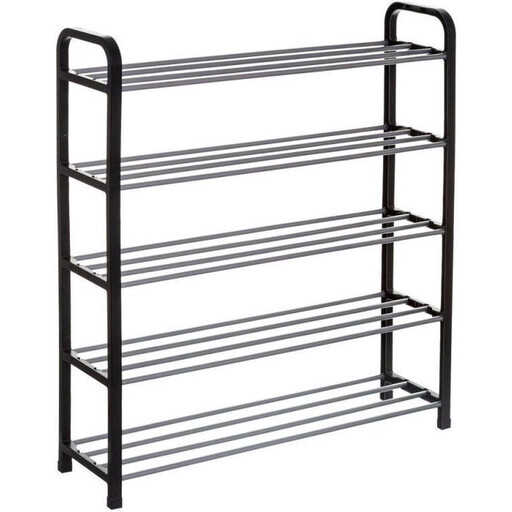
Why This Fits Their Persona: Ideal for those living in an apartment or studio who need a functional, affordable solution. This rack maximises vertical space without taking up much floor area.
With a depth of only 20 cm, this rack bypasses the 'incorrect dimensions' pitfall in narrow hallways. The open structure guarantees ventilation.
Offers space for approximately 16 pairs of shoes within a small footprint. The combination of metal and plastic is lightweight and easy to assemble.
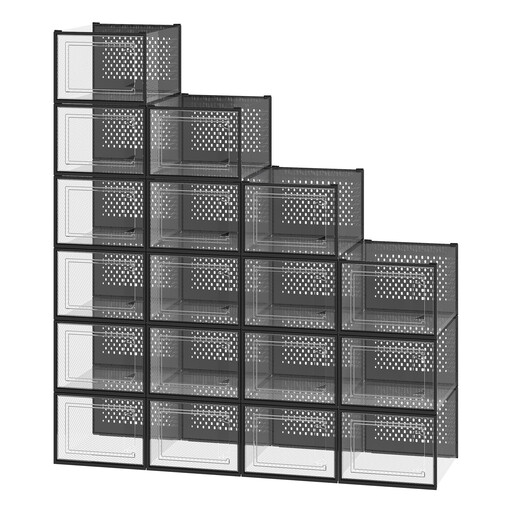
Why This Fits Their Persona: For those who want to not only store their trainers but also protect and showcase them. This modular system grows with the collection and keeps valuable pairs dust-free and visible.
These boxes have ventilation holes, which prevents the 'lack of ventilation' pitfall. The transparent doors make it easy to find the right pair without turning everything upside down.
Stackable and modular design for a personalised setup. Protects against dust and discolouration, while still allowing the shoes to breathe.
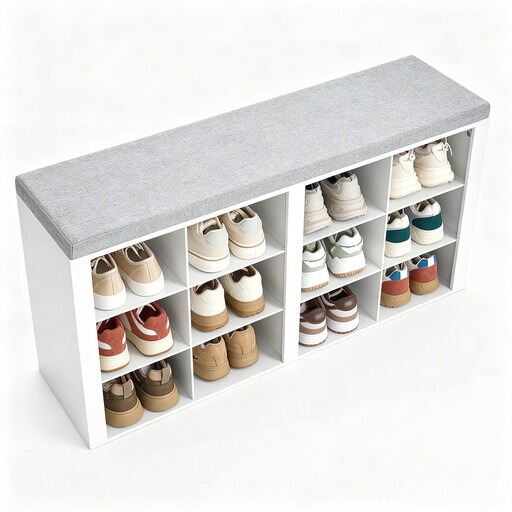
Why This Fits Their Persona: A multifunctional solution for a busy hallway. This shoe bench combines storage space with a comfortable seat for putting on shoes, which is ideal for families with children.
The adjustable shelves tackle the 'incorrect dimensions' pitfall, allowing both kids' boots and trainers to fit. The sturdy particleboard construction has a load capacity of 150 kg, preventing 'unstable construction' issues.
Combines storage and seating in one piece of furniture. The flexible layout and removable seat cushion make it a practical and low-maintenance choice.
We have compiled a complete, up-to-date list of products that meet these strict selection criteria and current regulations.
Always make sure your shoes are completely dry before placing them in a closed cabinet. Preferably, choose a model with ventilation openings at the back. As an extra measure, you can place scented sachets or cedar wood blocks in the cabinet; this material absorbs moisture and releases a fresh scent.
A good rule of thumb is to allow for 20 to 25 centimetres of width per pair of shoes. Measure your widest pair and multiply this by the number of shoes you want to place side by side. Most racks are about 30 cm deep, but there are also narrower models of 20 cm specifically designed for tight spaces like a hallway.
The sturdiness depends on the material used (usually a combination of PP and PS plastic) and the design. Good stackable shoe boxes have a reinforced frame and a mechanism that allows the boxes to click together. This ensures stability, even when stacking multiple layers high. Check the product specifications to see if the design and material are suitable for the weight of your shoe collection.
