
Vandaag of morgen in huis

Kwaliteit gegarandeerd

Welkomstaanbiedingen ontgrendelen: GRATIS bezorging | Tot 80% korting | Gratis 30 dagen JoyPlus-proefperiode
Download de app
A shoe rack may seem like a simple piece of furniture, but choosing the wrong one can quickly become frustrating. It may be too deep for your hallway, become unstable if you load it with more shoes than recommended, or leave too little room for boots and high-top trainers. A shoe cabinet with doors won’t necessarily fit in every narrow passageway, either.
As a Joybuy Product Recommendation Officer, I cut through the marketing claims to focus on the most important product specifications. That way, you can compare models objectively by dimensions, capacity, material, stability and assembly.
A shoe rack for 30 pairs sounds spacious, but check the width and depth of each shelf too. Thirty pairs of low-cut shoes take up less room than high-top trainers, ankle boots or wide-fitting sports shoes. Also check whether the brand describes the capacity as a guide or as a fixed maximum load.
A narrow shoe rack can be a good fit for a hallway, but a tall, slim design needs extra attention to stability. A rack that is 138 cm tall and just 24.5 cm deep has a different centre of gravity from a low model. Always place it on a level surface and check whether wall fixing is possible or recommended.
A metal shoe rack is usually easy to clean with a damp cloth. With a wooden or bamboo shoe rack, it’s more important to avoid prolonged contact with moisture. An open shoe organiser allows air to circulate, while a shoe rack with doors keeps shoes out of sight but may not be the best choice if you want to store wet footwear straight away.
Measure not only the available width, but also the depth, height and doorway. For a hallway shoe rack, a depth of 20 to 30 cm is often more practical than a wide cabinet. Check whether the shelves are adjustable and whether there’s room for boots.
For a wardrobe or under-bed storage, a compact shoe organiser may be more practical. A model measuring 29.5 x 11.1 x 14 cm takes up very little space, but according to the product information it holds up to three pairs of shoes. So don’t use its capacity as a general guide for all models.
Compare the number of pairs of shoes with the stated load-bearing limit. For example, one rack may hold 18 pairs of shoes, while another may specify a maximum load per tier. Distribute the weight evenly and put heavier shoes on the bottom.
Look out for conflicting information in product titles and specifications. The product name for the 5five Bamboo Shoe Rack Sicela says “9-Pair”, while the product specification states that it holds up to 12 pairs. So if you’re looking for a shoe rack for 30 pairs, it’s worth checking the current product page and dimensions before completing your purchase.
A freestanding shoe rack should stand firmly without wobbling. Check:
A stackable shoe rack can provide extra capacity, but only if it’s designed for that purpose. Never position a rack where it could block a passageway. Don’t use a tall model as a seat or step stool.
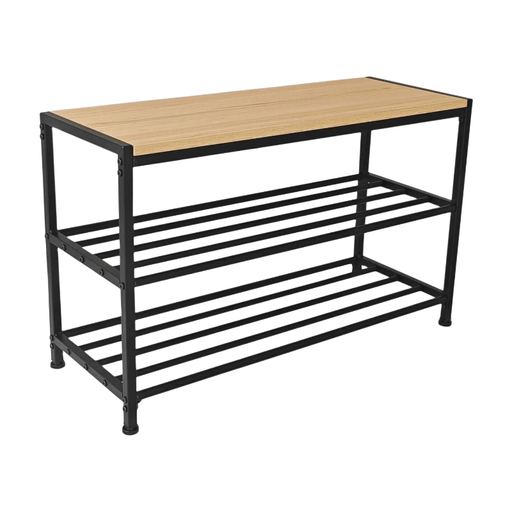
Why it suits this profile: This compact model holds 6 pairs of shoes and fits in a hallway, bedroom or student room. The wooden top shelf can be used for keys, bags or small accessories.
The stated capacity, dimensions and materials are clearly listed. The open design means you don’t have to stack your shoes in an enclosed compartment.
Black powder-coated metal frame, wooden top shelf, 80 x 30 x 49.2 cm and freestanding design.
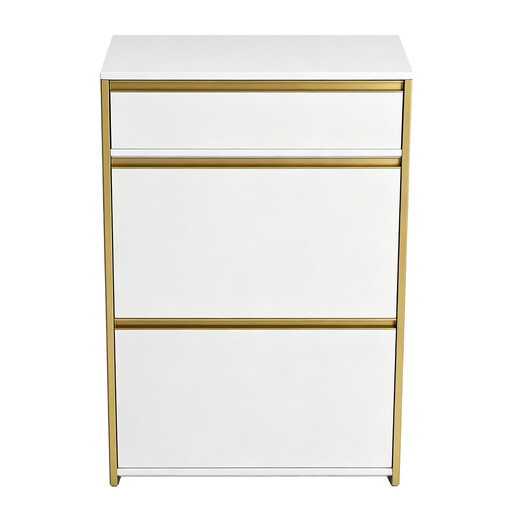
Why it suits this profile: If you want to keep your shoes out of sight, this closed shoe cabinet has two doors, four adjustable shelves and a drawer. Measuring 60 x 24 x 104.5 cm, it’s suitable for a hallway or entrance hall.
The adjustable, removable shelves let you customise the layout. The product specifications also list an anti-tip feature for securing the cabinet to the wall.
Enclosed storage, adjustable shelves, a drawer and a top surface for ornaments or everyday essentials.

Why it suits this profile: This tall, freestanding shoe rack is designed for households with a larger collection. It measures 65.5 x 24.5 x 138 cm, and the product information says it holds 30 pairs of shoes.
The high capacity is backed up by specific dimensions. Place the rack on a level surface and consider fixing it to the wall if there’s a risk of it tipping over.
Metal construction, modern white finish, 24.5 cm depth and capacity for up to 30 pairs according to the product listing.
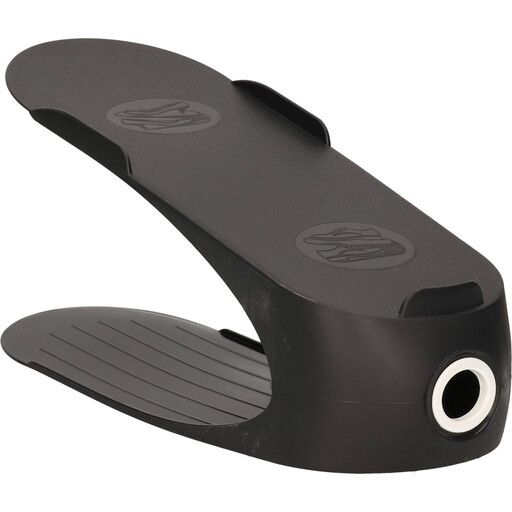
Why it suits this profile: This shoe organiser measures 29.5 x 11.1 x 14 cm and can be used in a wardrobe, under a bed or against a wall. Placing several units side by side makes efficient use of the available space.
The limited capacity is clearly stated: up to three pairs of shoes per unit. This makes it clear that it’s a compact stackable organiser, not a full shoe rack for a family.
Polypropylene construction, very compact size, suitable for shoe sizes up to and including 46 according to the product information, and no wall fixing required.
We’ve put together a complete, up-to-date list of products that meet these strict selection criteria and the current European safety regulations.
First, measure the clear space between the wall, door and walking route. Remember to allow for skirting boards and door handles. A model around 24 to 30 cm deep may suit a narrow hallway, as long as there’s still enough room to pass.
A shoe rack with doors keeps shoes out of sight and can create a tidier look in the living room or hallway. An open metal shoe rack makes it easier to grab your shoes quickly and keeps them well ventilated. The right choice depends on the space you have, the look you prefer and how often you use it.
Its lifespan depends on the material, assembly, load and care. Tighten the connections periodically, don’t exceed the stated load-bearing limit, and avoid leaving the rack in damp conditions for long periods if its material isn’t designed for them. Products sold in the EU are generally covered by statutory conformity rules and a minimum two-year legal guarantee; check the terms on the product page.
