
Vandaag of morgen in huis

Kwaliteit gegarandeerd

Welkomstaanbiedingen ontgrendelen: GRATIS bezorging | Tot 80% korting | Gratis 30 dagen JoyPlus-proefperiode
Download de app
Shoes scattered around the hallway are a familiar problem. It not only looks messy but is also impractical. However, the search for a good shoe rack often leads to frustration. Many products look promising online but turn out to be a bad buy in practice. Before you invest in a shoe storage solution, it's crucial to know what to look for. We'll discuss the most common pitfalls and how to avoid them.
The wrong choice can lead to a wobbly rack, a lack of space, or a piece of furniture that shows wear and tear after just a few months. These are the three main points to watch out for:
shoe rack might be wide enough, but if the shelves are too low, your ankle boots, hiking boots, or high-top sneakers won't fit. The result is that you still have to place half of your shoes next to the rack.shoe cabinet made of untreated particleboard or a rack with low-quality fabric shelves can quickly stain, warp, or even tear as a result.To avoid a purchase you'll regret, it's helpful to check a few key specifications. These objective features provide a much better indication of quality than marketing promises.
The material determines both durability and appearance.
shoe bench made of MDF is a popular choice. Check if the material has a water-resistant finish to prevent moisture damage.shoe organizer or shoe storage boxes. It's lightweight, easy to clean, and protects shoes well from dust.Always check the maximum load capacity per shelf. A value of 10 kg or more usually indicates a sturdy construction.
Think beyond just the number of pairs of shoes.
store shoes vertically.Not everyone has the same needs. That's why we've matched some popular choices with specific user profiles.

Why it's a great fit: Ideal for those living in an apartment or a house with a narrow hallway. The stackable design makes optimal use of vertical space, while its capacity for 15-18 pairs of shoes is surprisingly large for its footprint.
The metal frame provides necessary stability, avoiding the 'unstable construction' pitfall. The non-woven shelves are easy to wipe clean, which alleviates concerns about moisture and dirt.
Tool-free assembly via a click-in system. Set up in minutes. The high load capacity per shelf (15 kg) is suitable for heavier shoes.
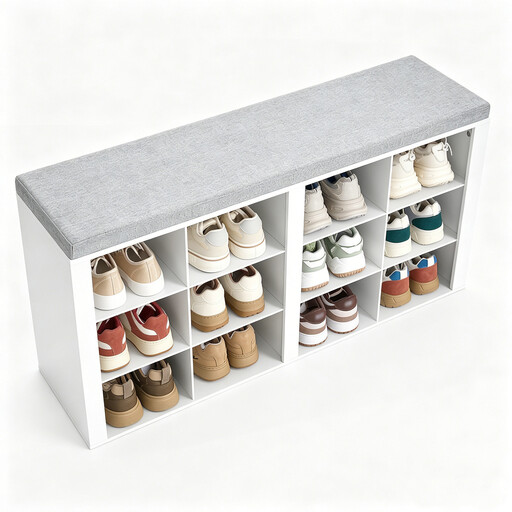
Why it's a great fit: This shoe bench combines functionality with a polished look. It's more than just storage; it's a piece of furniture that enhances the hallway and provides a convenient place to sit while putting on shoes.
The height-adjustable shelves tackle the 'impractical dimensions' pitfall, allowing both sneakers and boots to fit. The 150 kg load capacity guarantees a stable seating area.
Multifunctional design (seating and storage). The removable cushion cover makes cleaning easy, which is practical for a piece of furniture in the entryway.
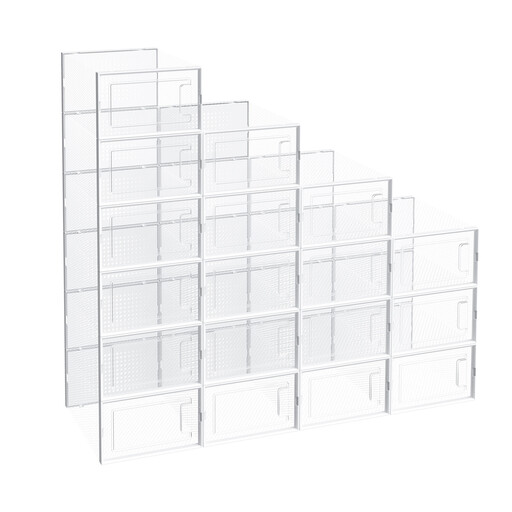
Why it's a great fit: For those who want to not only store their shoes but also protect and showcase them. These boxes keep dust and dirt out and are ideal for preserving special sneakers or seasonal footwear.
These shoe storage boxes are made of durable plastic, avoiding the 'material wear' pitfall. Ventilation holes ensure that shoes stay fresh, even during long-term storage.
A modular and stackable system that grows with your collection. The transparent doors allow you to find the right pair instantly without opening every box.
Have you found the perfect storage solution? Then maybe there's room for a new pair. For lovers of comfort and style, we have an extensive selection.
Now that your storage is in order, you can browse our collection of comfortable and stylish shoes with peace of mind.
1. How high should a shelf in a shoe rack be? This depends on your shoe collection. For most sneakers and flat shoes, a height of 15-18 cm is sufficient. For ankle boots or hiking boots, you'll need 20-25 cm. Tall boots require 40 cm or more. A shoe rack with adjustable shelves or a combination of high and low compartments is therefore often a practical choice.
2. Can a metal shoe rack rust from wet shoes? Most modern metal shoe racks feature a powder coating or another rust-resistant finish. This protects the metal from moisture. Nevertheless, it's good practice to let soaked shoes dry on a mat first before placing them on the rack. This extends the lifespan of both the rack and your shoes.
3. How many pairs of shoes fit in an 80 cm wide shoe cabinet? The capacity largely depends on the type of furniture. An open shoe rack that is 80 cm wide with 3 or 4 tiers can typically hold 12 to 16 pairs of adult shoes. A closed shoe cabinet with flap-down compartments of the same width often has a similar capacity but provides a tidier look. Always check the product specifications for the most accurate estimate.
