A growing shoe collection and a narrow hallway: a familiar problem for many. The search for a functional shoe storage solution often leads to uncertainty. Is an open rack tidy enough? Will that shoe cabinet fit in a slim hallway? And how can you store over 20 pairs of shoes without breaking the bank or sacrificing significant floor space?
Choosing the right shoe rack is a matter of balancing the right parameters. This guide will help you make an informed decision based on factual specifications, ensuring you find a solution that fits your space, collection, and budget.
Buyer's Guide: How to Select the Right Shoe Rack
Before making a choice, it's helpful to assess your needs. The following criteria will help you objectively compare different models.
1. Type: Open Rack or Closed Cabinet?
The first choice is between an open shoe rack and a closed shoe cabinet.
- Open Shoe Rack: Offers an immediate overview and good ventilation for your shoes. This type is often lighter, easier to assemble, and more budget-friendly. A potential downside is that it can look cluttered more quickly and doesn't protect shoes from dust.
- Closed Shoe Cabinet: Creates a tidy and streamlined look by keeping shoes out of sight. This also protects them from dust. Cabinets are often heavier, and assembly can be more complex. Pay close attention to the depth; a slim shoe cabinet is often the perfect solution for a narrow hallway shoe rack.
2. Material: Metal, Fabric, or Particle Board?
The material determines the durability, weight, and maintenance.
- Metal Shoe Rack: Known for its sturdiness and high load-bearing capacity. Often finished with a coating to prevent rust. Ideal for those seeking a durable and stable solution.
- Fabric (Non-Woven): Often used for the shelves in combination with a metal frame. This makes the rack lightweight and easy to clean. The load capacity per shelf is a key consideration.
- Particle Board: A common material for furniture, including shoe cabinets. It offers a solid construction and a finished look. Check for certifications like FSC, which indicates the wood comes from responsibly managed forests.
3. Capacity and Dimensions
Always measure your available space (width, depth, height) before making a purchase.
- Capacity: Manufacturers often provide an estimate of the number of pairs of shoes, for example, a shoe rack for 20 pairs. Keep in mind that this is based on average shoe sizes. Large boots or high heels will take up more space.
- Dimensions: A space-saving shoe rack is not just narrow or shallow; it can also utilize vertical space. A stackable shoe rack offers flexibility in this regard.
4. Assembly and Flexibility
Consider the assembly process. Many modern racks are designed for tool-free assembly. A stackable shoe rack is a practical consideration; it allows you to expand your storage space vertically in the future as your collection grows.
Our Top Picks for 2026
Based on the criteria above, we have selected several products that offer solutions for common storage challenges.
1. Sekey 4-Tier Metal Shoe Rack
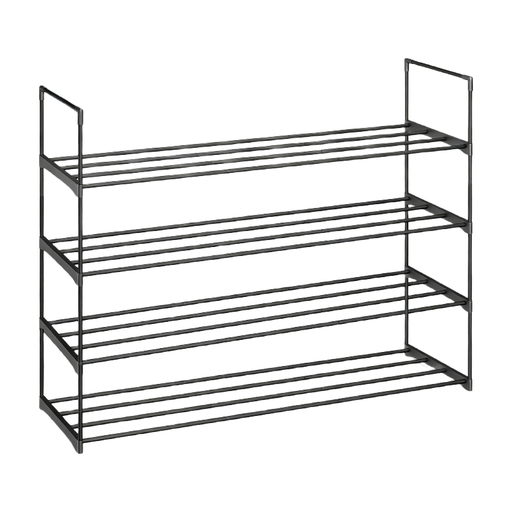
- Why We Chose It: This model combines high capacity with an all-metal construction and the option to stack. The focus is on durability and stability.
- Advantages:
- Construction: Made from reinforced metal tubes with a rust-resistant coating.
- Capacity: Holds approximately 20 to 24 pairs of shoes across four tiers.
- Stability: The four low-profile feet lower the center of gravity, enhancing stability.
- Flexibility: The design is stackable, allowing you to expand storage space vertically.
- Assembly: Easy, tool-free assembly.
- Who It's For: Households looking for a robust, practical storage solution with high capacity and the flexibility to expand in the future.
2. Sekey 4-Tier Shoe Rack with Non-Woven Fabric Shelves
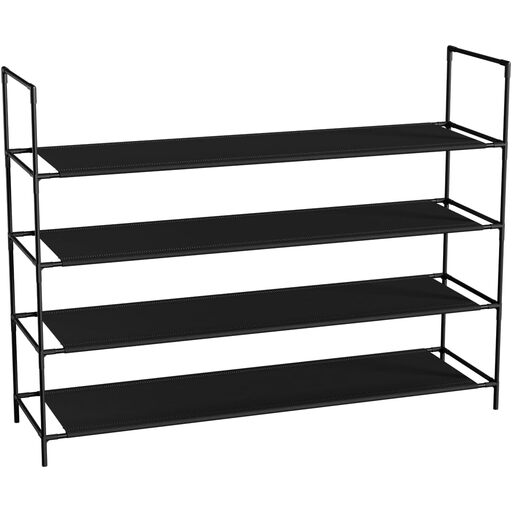
- Why We Chose It: This rack features a hybrid construction that combines the sturdiness of metal with the light weight of non-woven fabric. It stands out for its rapid assembly and high load capacity per shelf.
- Advantages:
- Material: A combination of a metal frame and non-woven fabric shelves.
- Load Capacity: According to the manufacturer, the load capacity per shelf is up to 15 kg, making it suitable for heavier shoes or boots.
- Assembly: Very fast, tool-free assembly thanks to a snap-together design.
- Capacity: Space for approximately 20 to 24 pairs of shoes.
- Flexibility: This model is also designed to be vertically stackable.
- Who It's For: Anyone looking for a lightweight yet strong shoe rack that can be assembled in minutes.
3. 5five Shoe Cabinet - Natural
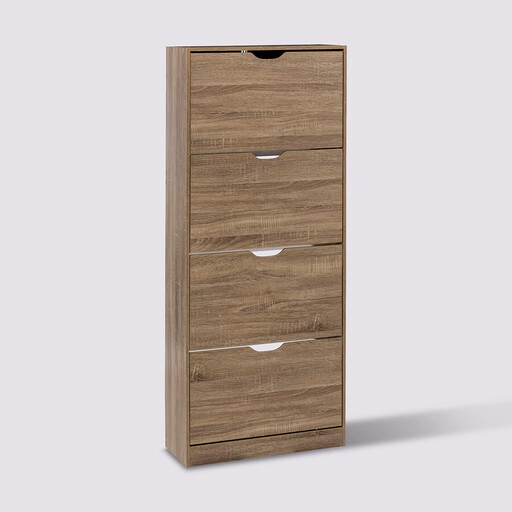
- Why We Chose It: This is a closed shoe cabinet with a very slim profile, ideal for those who prefer an uncluttered look and have limited depth in their hallway.
- Advantages:
- Type: A closed cabinet that protects shoes from dust and ensures a tidy appearance.
- Dimensions: With a depth of just 23.3 cm, this is a very slim shoe cabinet that takes up minimal space.
- Material: Made from particle board with FSC certification.
- Capacity: Distributed over 8 internal shelves, suitable for a sizable collection.
- Design: The natural wood-effect finish complements many interior styles.
- Who It's For: Individuals who prefer a closed storage system to hide clutter and need a space-saving shoe rack for a narrow hall or corridor.
Didn't Find the Right Fit?
Every living situation is unique. The dimensions of your hall, the type of shoes you own, and your personal taste will ultimately determine your choice. If the options above don't fully meet your needs, it's worth exploring a wider range.
️ Explore more shoe racks and organisers here.
Frequently Asked Questions (FAQ)
1. How much space do I need for a shoe rack? Measure the available floor space (width x depth) and height. For a hallway shoe rack, depth is often the most limiting factor. A slim shoe cabinet less than 25 cm deep can be a great solution. Don't forget to utilize vertical space with a taller or stackable model.
2. Is an open or closed shoe rack better? This depends on your priorities. An open rack offers better ventilation and a quick overview, which is useful for shoes you wear daily. A closed cabinet protects from dust and creates a calmer, more organised look in your interior, which is often preferred in a living room or a visible hallway.
3. How do I prevent a tall shoe rack from tipping over? Choose a model with a stable base, like the low-profile feet on the Sekey metal rack. Always place the heaviest shoes on the bottom shelves. For very tall or narrow cabinets, manufacturers often recommend anchoring them to the wall for extra safety, especially in households with children or pets.
Written by: Joybuy Product Recommendation Officer Publication Date: 2026-06-06