
Vandaag of morgen in huis

Kwaliteit gegarandeerd

Welkomstaanbiedingen ontgrendelen: GRATIS bezorging | Tot 80% korting | Gratis 30 dagen JoyPlus-proefperiode
Download de app
Shoes scattered around the hallway, bedroom, or closet: it's a common problem in many households. A good shoe rack seems like a simple solution, but reality is often more challenging. Many people buy a model that sags after a few months, doesn't offer enough space for their boots, or simply doesn't fit in the intended spot.
Before you make a purchase, it's helpful to know the common pitfalls. This will help you avoid buyer's remorse and choose a shoe storage solution that truly works for your situation.
To avoid these problems, pay attention to a few key specifications. These will help you see through the marketing claims and make a functional choice for storing your shoes.
The material largely determines the lifespan and sturdiness of your shoe rack.
shoe cabinet offers a tidy appearance and protects shoes from dust. The quality of the board material and the sturdiness of the back panel and legs determine its stability. A model with adjustable shelves is a plus for storing boots.sneaker boxes, the quality of the plastic (PP or PS) is important for clarity and sturdiness when stacking. For plastic racks, it's wise to check if the structure is reinforced to prevent sagging.The most common mistake is not checking the dimensions. Don't just measure the available space in your hallway or closet; also look at the internal measurements of the rack.
narrow shoe rack fit in that niche in the hallway? Check the total width and depth. Keep in mind that larger shoe sizes (US 11+ / EU 45+) may stick out from shallow models.stackable shoe rack is a smart solution for building vertically, especially in smaller spaces. Check if the models are designed to be placed on top of each other safely and securely.The ideal solution depends on your needs and the location.
shoe bench combines storage space with a place to sit. Very practical in the hallway for putting on your shoes while seated.Based on these practical criteria, we have selected a number of products that suit different needs and home styles.

Why This Fits Their Persona: Ideal for a dorm room or a narrow hallway. This rack offers good capacity without taking up much floor space. The stackable design makes it easy to expand storage in the future if needed.
The metal frame is sturdier than all-plastic alternatives. The manufacturer specifies a load capacity of up to 15 kg per shelf, which is a clear indicator of sturdiness and avoids the pitfall of a wobbly construction.
Tool-free assembly via a click-in system. The non-woven shelves are lightweight and easy to clean.

Why This Fits Their Persona: For a busy family, a tidy hallway is essential. This enclosed shoe cabinet hides the entire family's shoes, creating a calm and neat appearance. The capacity is more than enough for everyone's daily footwear.
The wooden construction with metal legs provides a stable base, unlike lighter, open racks. The doors ensure that the visual clutter of different types and sizes of shoes is completely hidden.
Large capacity (22-25 pairs) and an enclosed design. The top surface can be used for keys, mail, or decor.
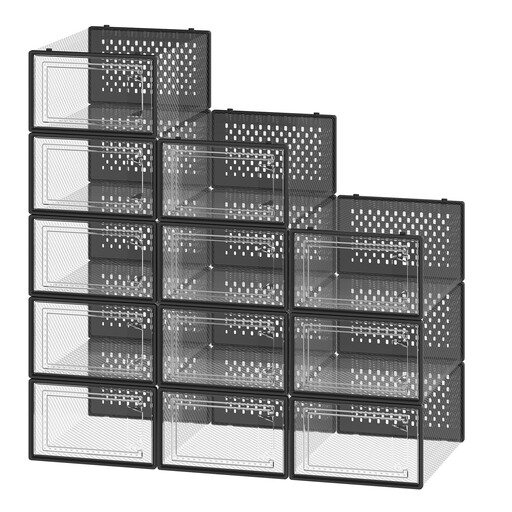
Why This Fits Their Persona: Sneaker boxes are the standard for those who want to protect and display their collection. These transparent boxes keep shoes dust-free and visible. The stackable design allows for the creation of a personal 'sneaker wall'.
Instead of a wobbly rack, these individual, sturdy boxes provide a stable storage solution. The capacity is unambiguous (one pair per box), which bypasses the pitfall of misleading capacity claims.
Protects shoes from dust, offers a clear view of the contents, and has ventilation holes to keep shoes fresh.
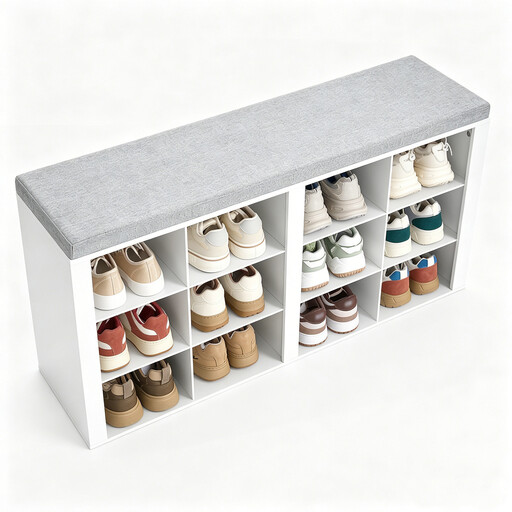
Why This Fits Their Persona: This shoe bench is a smart 2-in-1 solution for the hallway. It not only provides organised storage but also a comfortable seat for putting on and taking off shoes. Ideal for those who want to maximise functionality in a limited space.
The adjustable shelves tackle the 'capacity myth'; you can adapt the space to fit taller footwear like boots. The specified load capacity of 150 kg for the seat provides confidence in the construction's sturdiness.
Combines storage and seating. The flexibility of the adjustable shelves makes it suitable for various types of footwear.
We have compiled a complete, up-to-date list of products that meet these practical selection criteria.
The advertised number is often optimistic. A good rule of thumb is that a 90 cm (approx. 35 inches) wide shelf can fit about 4 to 5 pairs of adult shoes. Always look at the shelf width and divide it by the average width of your shoes (about 20-25 cm or 8-10 inches) for a realistic estimate.
This depends on your priorities. An open shoe rack provides better ventilation, allowing shoes to dry faster and reducing lingering odours. A closed shoe cabinet protects your shoes from dust and creates a tidier, calmer look, which is especially nice in a hallway shoe cabinet.
Stability is crucial, especially in a household with children or pets. Always place the heaviest shoes, like boots and hiking shoes, on the bottom shelves. Many tall and narrow models come with wall-mounting hardware. It is highly recommended to use this to anchor the rack to the wall.
