
Vandaag of morgen in huis

Kwaliteit gegarandeerd

Welkomstaanbiedingen ontgrendelen: GRATIS bezorging | Tot 80% korting | Gratis 30 dagen JoyPlus-proefperiode
Download de app
If you love to run, you know the right shoes make all the difference. But what happens when your route takes you from the pavement to a forest path? The trail running shoe market is filled with promises, but many shoes aren't suited for varied terrain. They are either too clunky for the road or offer too little grip for unpaved trails. This often leads to a poor investment.
Before you invest in a new pair, it's important to recognise the most common pitfalls:
all terrain running shoes but are, in practice, a disappointing compromise. They often lack sufficient cushioning for long stretches on asphalt while also having an inadequate tread for a muddy trail.To make the right choice, focus on the specifications that truly matter for hybrid use. Don't be distracted by marketing jargon; look at the facts.
The outsole is your point of contact with the ground. A road shoe has a relatively flat profile for maximum contact on a smooth surface. A pure trail shoe has deep lugs for grip in mud and on loose ground. For a versatile shoe for trail and road, you need a hybrid tread.
Pelliot running shoes.The midsole determines comfort and shock absorption. This is where the term cushioned running shoes becomes relevant.
lightweight running shoe. Heavy cushioning can make the shoe feel clunky, whereas modern foams provide excellent shock absorption without adding excess weight.The upper should keep your feet comfortable and protected. For unisex running shoes, good breathability is a universal requirement.
Based on these objective criteria, we have selected a number of shoes suitable for different types of runners who tackle both roads and unpaved trails.
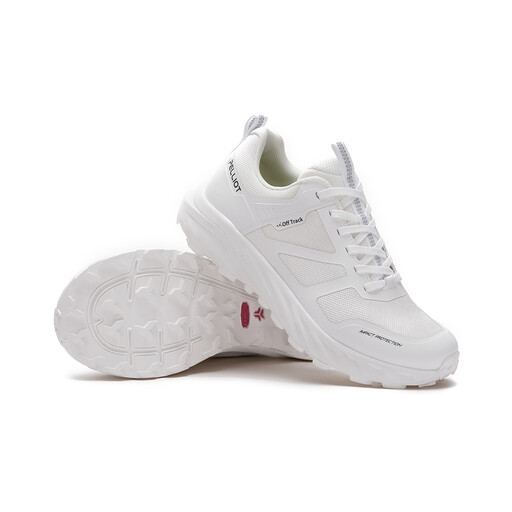
Why This Fits Their Persona: Ideal for those just starting to combine runs in the park, on the road, and on well-maintained forest paths. An accessible shoe that offers essential features without being overly complex or expensive.
This shoe avoids the pitfall of excessive stiffness. The ROCKYTEC sole provides grip but isn't too aggressive for asphalt, while the EVA midsole delivers balanced cushioning for both surfaces.
Versatile outsole for grip on both wet and dry surfaces; the lightweight design helps reduce fatigue during longer runs.

Why This Fits Their Persona: For the runner who regularly switches between city loops and more challenging routes in the dunes or hills. This person needs a durable and stable shoe that performs on varied terrain.
This model solves the "false all-rounder" problem. The combination of a durable upper and a high-elasticity EVA midsole makes it a true all-terrain running shoe that performs consistently.
The abrasion-resistant upper withstands scuffs from branches and rocks; the midsole offers excellent shock absorption, which protects the joints on rough terrain.
Why This Fits Their Persona: This runner values a light and responsive feel. The shoe needs to feel fast and agile, whether for a quick training session on the road or a short, intense trail run.
This is a prime example of a lightweight running shoe that avoids the pitfall of being clunky. The breathable upper and efficient cushioning provide a direct feel for the ground without sacrificing comfort.
The sandwich mesh upper provides maximum ventilation and rapid heat dissipation. The light overall weight promotes an agile and fast running style.
We have compiled a complete, up-to-date list of products that fully meet these strict selection criteria and local regulations.
First, remove any coarse, dried dirt with a soft brush. Then, use a damp cloth with lukewarm water to wipe away the remaining grime. Remove the insoles and let the shoes air dry naturally, away from a heater or direct sunlight. Never put your shoes in the washing machine, as this can damage the adhesives and cushioning materials.
The lifespan of running shoes is typically measured in kilometres and depends on your weight, running style, and the terrain. A general guideline for a hybrid shoe is 600 to 800 kilometres. Watch for clear signs of wear, such as a visibly worn-down outsole tread, reduced comfort, or if the cushioning feels 'flat'.
While a good hybrid shoe can technically handle it, it's not the most optimal choice. For a full marathon on asphalt, a dedicated road shoe typically offers more efficient energy return and cushioning tailored to that constant, hard surface. A shoe for trail and road is best suited for training and races where you frequently switch between surfaces.
