
Vandaag of morgen in huis

Kwaliteit gegarandeerd

Welkomstaanbiedingen ontgrendelen: GRATIS bezorging | Tot 80% korting | Gratis 30 dagen JoyPlus-proefperiode
Download de app
Buying shoes online may seem straightforward, but an appealing photo and a familiar brand name do not tell you everything about fit, intended use or durability. A trainer for everyday wear has different requirements from running shoes, trail running shoes or football boots. With the right checks, you can avoid ending up with a pair that feels too narrow, wears out quickly or does not provide enough grip on wet surfaces.
Not every trainer is suitable for running or intense training. A lifestyle model may look technical but, for example, lack the cushioning, stability or outsole needed for prolonged use. The PUMA Speedcat OG, for instance, is primarily designed as a low-profile model with a flat heel for everyday wear. This makes it an interesting choice for casual outfits, but not automatically suitable for long running sessions.
Size 42 is not identical across every brand or model. The shape of the last, the amount of room at the toes and the insole used all affect the fit. So always check the foot length in millimetres or centimetres and compare it with the size guide on the product page. For the adidas Galaxy 7 M, for example, EU 42 corresponds to a foot length of 270 mm.
Terms such as ‘good grip’, ‘waterproof’ or ‘lightweight’ are only useful when it is clear what they actually refer to. A rubber outsole may be suitable for asphalt, while trail running shoes need a deeper tread for mud, gravel or wet stones. According to Salomon’s own information, the XA Pro 3D v9 GTX features a GORE-TEX membrane and a Contagrip outsole. Even so, check that the construction suits the way you plan to use the shoes.
Measure both feet at the end of the day, when they often take up slightly more space. Place your heel against a wall and measure to your longest toe. Use the larger measurement as your guide. Also pay attention to:
For children’s shoes, measuring again regularly is especially important. Children grow quickly, and a shoe that fits well today may become too small in a short time.
Choose the outsole according to where you walk:
An outsole with plenty of grip can be advantageous on rough ground, but may feel less smooth on polished indoor floors or asphalt.
Textile and mesh are often lightweight and breathable, while leather or synthetic materials can provide more structure and protection. No material is maintenance-free, so check the care instructions:
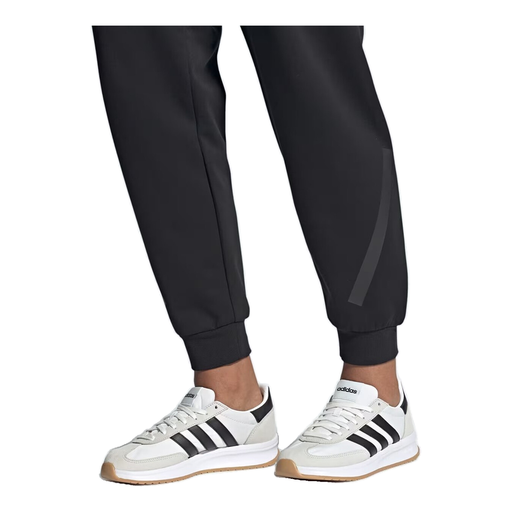
Why it suits this profile: This model combines a retro trainer look with a lightweight, flexible rubber outsole and a breathable textile lining. That makes it well suited to everyday wear, commuting and casual outfits.
The product information specifies a standard fit and provides exact foot lengths for each EU size. This means you can look beyond appearance alone.
Synthetic leather and textile; flexible rubber outsole; size guide with foot lengths.
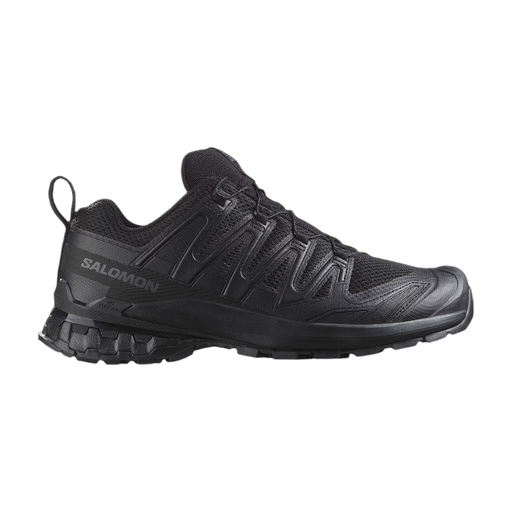
Why it suits this profile: Walking, trail running and outdoor use expose shoes to changing weather, gravel and uneven ground, so they require more protection than an ordinary trainer can provide.
The specifications mention a GORE-TEX membrane, a 3D Advanced Chassis and a Contagrip rubber outsole. These are verifiable construction features, rather than a general promise for every surface.
Waterproof membrane according to the product description; protective toe and heel; Quicklace system.
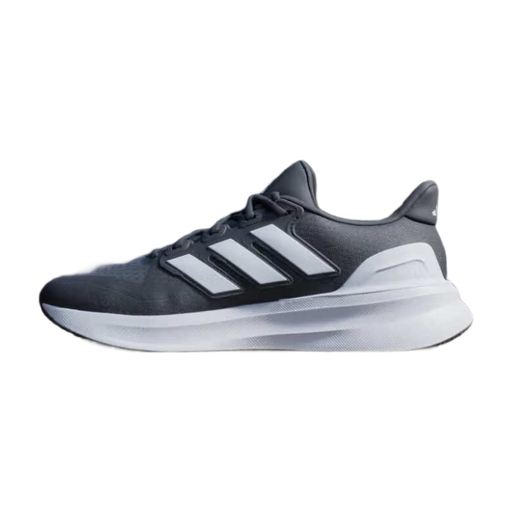
Why it suits this profile: This running model is designed for road use and longer distances. The mesh upper, Bounce 2.0 midsole and Adiwear rubber outsole suit runners who train regularly.
The product description clearly states that the shoes are intended for running, specifies a standard fit and details the outsole construction. This makes it easier to match them to asphalt rather than technical terrain.
Lightweight Bounce 2.0 midsole; breathable mesh; Adiwear rubber outsole with a grippy tread.
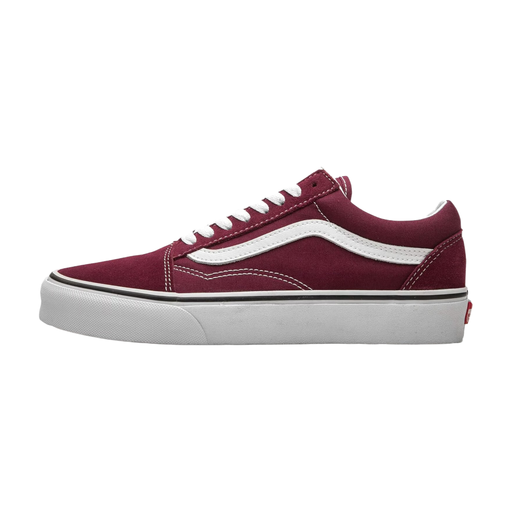
Why it suits this profile: The low-top Vans Old Skool is a versatile choice for everyday wear, work, city walks and casual outfits.
The material details specify textile for the upper and lining and rubber for the sole. This gives you a clearer idea of what to expect in terms of care and weather resistance.
Textile upper; rubber sole; waterproofing treatment recommended before first use.
We have put together a complete, up-to-date list of products that fully meet these strict selection criteria and the applicable European safety regulations.
Measure your foot in millimetres and compare the result with the specific size guide for the model. Also consider the fit: regular fit, narrow versions and wide lasts can vary from one product to another. Read the returns policy before ordering too, so you can check at home whether the heel and toe room fit properly.
Their lifespan depends on use, body weight, surface, care and materials. Everyday trainers can wear out more quickly if you also use them for sport. Running shoes gradually lose their original properties as a result of mileage and repeated use. Check the outsole, seams and fit regularly, and replace your shoes as soon as wear begins to affect comfort or stability.
No. Comfort is mainly determined by fit, foot width, sole construction and the purpose for which the shoe was designed. An expensive trail model may be unnecessarily stiff for urban use, while an affordable trainer may feel perfectly comfortable for short daily walks. So compare the specifications with how you plan to use the shoes first, and only then decide based on brand or price.
