
Vandaag of morgen in huis

Kwaliteit gegarandeerd

Welkomstaanbiedingen ontgrendelen: GRATIS bezorging | Tot 80% korting | Gratis 30 dagen JoyPlus-proefperiode
Download de app
Shoes cluttering the hallway are a common problem. A good shoe cabinet seems like the simple solution, but the reality is often more challenging. Many cabinets overpromise and underdeliver, leading to frustration and buyer's remorse. Before you make a choice, it's wise to be aware of a few common pitfalls.
To avoid a bad purchase, it's helpful to check three key points. These determine whether a shoe storage solution is truly practical for your situation.
The most important measurement isn't the height or width, but the depth. Especially in a narrow hallway, every centimetre counts.
The material determines the lifespan and sturdiness of your cabinet.
Look beyond the advertised number of pairs. The key to practical shoe storage is flexibility. Are the shelves adjustable or even removable? This is essential if you want to store different types of shoes, from flat sandals to high-top hiking boots. A cabinet with adjustable shelves adapts to your shoe collection, not the other way around.
Not everyone has the same requirements. Below are a few options tailored to specific needs.
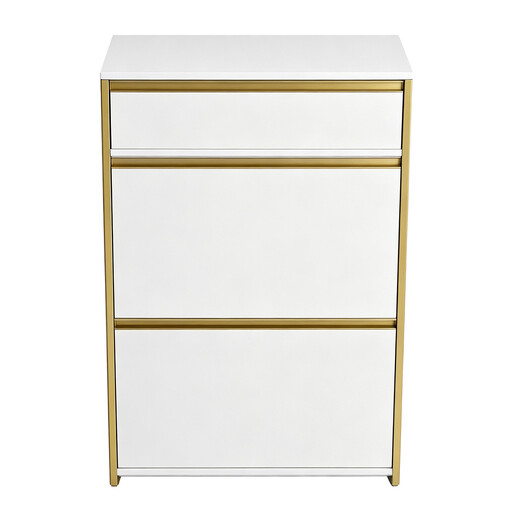
Why This Fits Their Persona: Ideal for those looking for a narrow shoe cabinet for a tight hallway. This model combines storage with an elegant design that doesn't demand attention but effectively clears away clutter.
With a depth of just 24 cm, this cabinet avoids the pitfall of an impractical, overly deep piece of furniture that blocks the walkway in a narrow hall.
The internal shelves are adjustable and removable, offering flexibility for different shoe types. The drawer and top surface provide extra storage for small items.
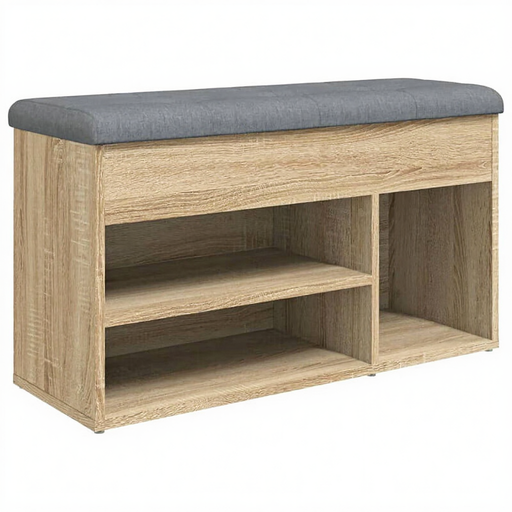
Why This Fits Their Persona: Perfect for those who want to combine shoe storage with a convenient seat in the hallway. This shoe bench makes putting on shoes much more comfortable.
Made from sturdy engineered wood with a stated load capacity of 110 kg. This avoids the pitfall of flimsy materials, a common problem with cheaper benches.
Offers both storage space and a comfortable seat thanks to the thickly padded, included cushion. The open compartments ensure good ventilation for the shoes.
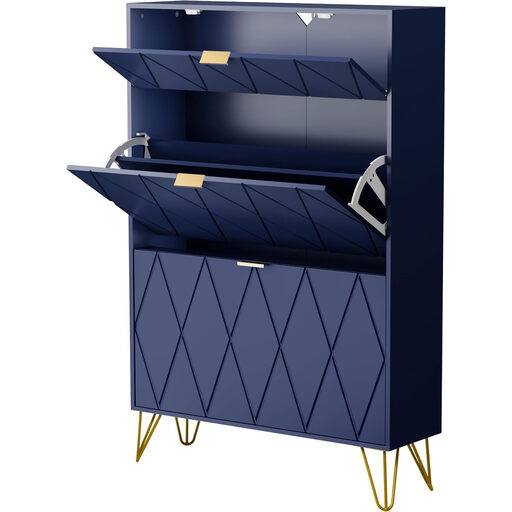
Why This Fits Their Persona: For those seeking a designer shoe cabinet that is not only functional but also makes a statement. This piece is an eye-catcher in a modern hallway.
The unique design with a blue finish and gold accents is a deliberate interior choice. This avoids the disappointment of a purely functional but bland piece of furniture.
Combines a striking, modern look with the practical benefits of a narrow shoe cabinet (24 cm deep). The hidden top shelf is handy for small items.
A tidy hallway starts with the right storage solution. If you're considering a shoe cabinet with a comfortable seat, we've gathered more models for you.
A typical narrow shoe cabinet, often with a tipping-drawer system, has a depth between 17 and 25 centimetres. This ensures they don't protrude far, making them ideal for tight hallways. Always check the maximum shoe size that fits in the compartments.
Generally, no. Tipping-drawer systems are designed for low-profile shoes like trainers, loafers, and sandals. For ankle boots or taller footwear, it's better to choose a cabinet with adjustable shelves or an open shoe rack. Some cabinets combine tipping compartments with a taller, open section specifically for boots.
Most tall or narrow shoe cabinets come with an anti-tip kit. This is a bracket or strap that allows you to anchor the cabinet to the wall. It is highly recommended to use it, especially in a household with children or pets, to prevent the cabinet from tipping over.
