
Vandaag of morgen in huis

Kwaliteit gegarandeerd

Welkomstaanbiedingen ontgrendelen: GRATIS bezorging | Tot 80% korting | Gratis 30 dagen JoyPlus-proefperiode
Download de app
As an e-commerce entrepreneur, you know that a seamless fulfillment process is the backbone of your business. Every day, packages must be sent out correctly and efficiently. The right shipping labels are a critical component in this process. Incorrect labels, poor adhesive quality, or compatibility issues can lead to delays, lost packages, and dissatisfied customers.
This article serves as a practical guide. We will discuss what to look for when purchasing shipping labels and highlight several options suited for different business needs, from daily bulk shipments to specific product labeling.
The market for labels can be overwhelming. To help you make an informed choice, here are a few key considerations based on the specifications that truly matter.
Not every label works with every printer. Most online stores use a thermal label printer because it doesn't require expensive ink or toner. Check if the labels you are considering are thermal shipping labels and if the core and roll diameter fit your model. Additionally, carriers like PostNL, DHL, and DPD use standard formats. The most common size is 104x159 mm shipping labels. By choosing this size, you ensure that all necessary information, including the barcode, is clearly legible and meets the carrier's requirements.
Shipping labels on a roll are often the most efficient choice for businesses that process multiple packages per day. They enable fast, uninterrupted printing. Also, pay attention to the adhesive strength. A label with a permanent adhesive is essential. It must stick securely to cardboard, plastic, and other packaging materials throughout the entire transit process, regardless of the conditions. These adhesive labels prevent a package from losing its destination information en route.
For most shipping applications, direct thermal labels are an excellent choice. These labels have a heat-sensitive coating that turns black when exposed to the heat of the print head. The major advantage is that you don't need ink cartridges or toner, which lowers operational costs and simplifies the maintenance of your labels for your label printer.
Based on product specifications and applications, we have made a selection that can meet the diverse needs of e-commerce entrepreneurs.
Why it stands out: This set is focused on volume and efficiency. With 10 rolls of 220 labels each (2,200 labels in total), it provides a substantial stock for online stores with a constant flow of orders.
The labels have the standard size of 104 x 159 mm, making them suitable for common carriers like PostNL labels and DHL labels. The direct thermal material means you have no extra costs for ink or toner. The 25 mm core is compatible with a wide range of thermal label printers.
Pros:
Who is it for? This is an ideal choice for medium-sized e-commerce businesses and warehouse managers who process a significant number of packages daily and want to streamline their shipping process with a reliable supply of labels.
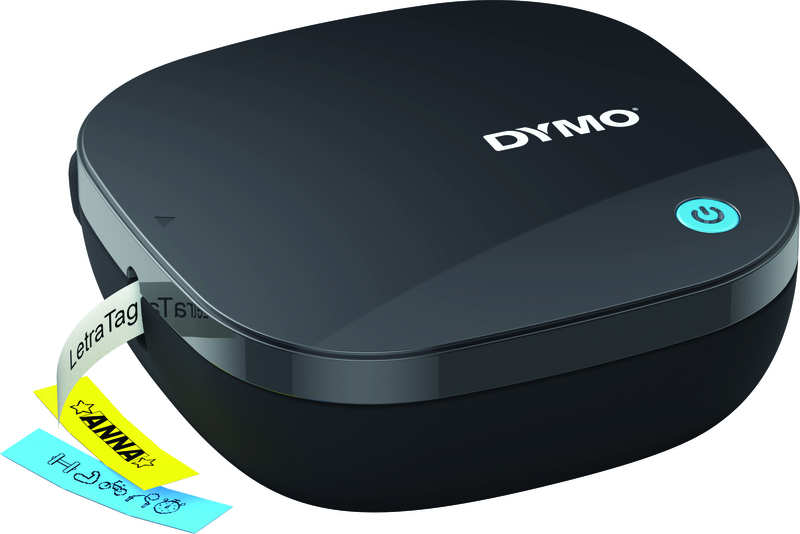
Why it stands out: The DYMO LetraTag 200B is not a bulk pack of shipping labels, but a compact, portable label maker. Its Bluetooth connectivity with your smartphone (iOS and Android) makes it a highly flexible tool.
While it's not designed for printing hundreds of shipping labels per day, it is a handy device for various other tasks within an online store. Think of labeling storage bins, pricing products, printing return instructions, or organising your office. According to the manufacturer, DYMO, the device is lightweight and runs on AA batteries, allowing you to use it anywhere.
Pros:
Who is it for? Ideal for startups, small home-based webshops, or entrepreneurs who, in addition to shipping, need a flexible solution for all sorts of other labeling tasks in their office or warehouse.
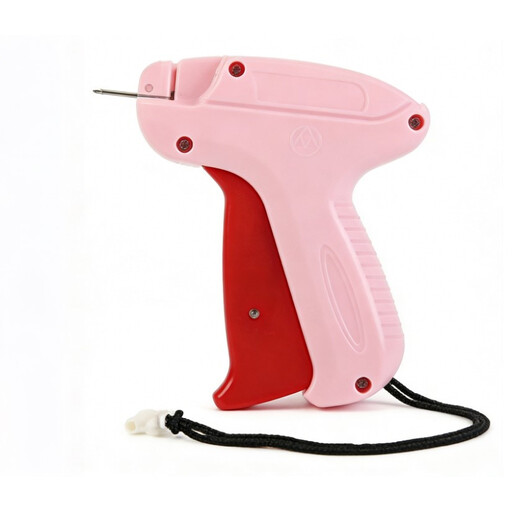
Why it stands out: This product addresses a very specific need: attaching product or price tags to textiles. This tagging gun comes as a complete set with 1000 barbs, so you can get started right away.
It is designed to quickly and efficiently attach tags to clothing, shoes, bags, and other textiles without damaging the fabric. The ergonomic grip and trigger mechanism make it a practical tool for anyone preparing physical products for sale or shipment.
Pros:
Who is it for? This is an indispensable tool for online stores in the fashion, home textiles, or other industries where products need to be physically tagged with a price or brand tag.
The products mentioned above cover several common needs, but perhaps you're looking for something slightly different. This could be labels of a different size, material, or for a specific application. For a broader overview of label solutions, you can browse our main category.
? Discover more options in our Product Labels category
Both PostNL and DHL, and most other major carriers, work best with thermal shipping labels in the standard 104 x 159 mm size. This format provides ample space for the address, tracking barcode, and other required information, ensuring smooth processing in their sorting centres.
Yes, for efficient printing of shipping labels, a thermal label printer is recommended. Unlike a standard office printer, these printers use heat to print on special thermal paper. This means you don't need ink or toner, which saves costs and speeds up the process in the long run.
Direct thermal labels have a chemical coating that reacts to heat. They are easy to use and more economical because no ink ribbon is required. They are ideal for shipping labels, which have a relatively short lifespan. Thermal transfer labels are printed using an ink ribbon and are more durable, scratch-resistant, and better able to withstand light and chemicals. These are more often used for product labels or barcodes that need to last a long time.
