
Same-day & Next-day Delivery

Quality Guaranteed

Unlock Your Welcome Offers: FREE Delivery | Up to 80% OFF | Free 30-day JoyPlus trial
Download the APP
A well-stocked pantry with shelf-stable fruits and vegetables is a practical asset for any busy household. It offers convenience and ensures you always have something healthy on hand. However, not all products marketed as 'healthy' truly are. Marketing claims can sometimes conceal more than they reveal. Before you fill your basket, it's wise to know what to look for.
Two common pitfalls when buying shelf-stable fruits and vegetables are:
By learning how to read labels and evaluate claims, you can make choices that better align with your goals.
To avoid disappointment, it's helpful to check a few key specifications. These details provide a clearer picture of what you're actually buying.
The amount of sugar is one of the most critical factors. On the nutritional label, look for "carbohydrates, of which sugars". This figure includes both naturally occurring sugars (from fruit) and added sugars. The ingredients list tells the full story: if sugar, glucose syrup, or fructose appears high on the list, a significant amount has been added.
For those consciously avoiding sugar, a growing number of sugar-free drinks are available. These products often use sweeteners like sucralose or xylitol. For example, a sugar-free aloe vera drink can be a refreshing option.
The ingredients list is legally required to list ingredients in descending order by weight. If you want to buy vegetable juice, check the vegetable percentage. A good tomato juice, for instance, will list "tomato" or "tomato puree" as the first ingredient and often specifies the percentage. The same applies to frozen fruit for smoothies; ideally, the package should contain 100% fruit with no additives.
Shelf-stable products are processed in various ways, which affects their taste and texture:
Based on clear product specifications, we have selected a few options that cater to different needs and lifestyles.
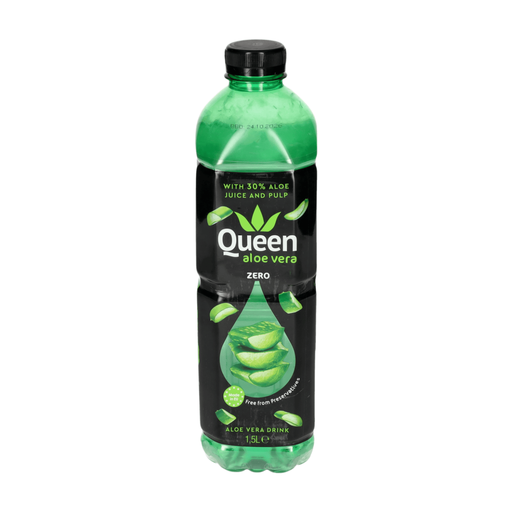
Why This Fits Their Persona: Ideal for those seeking a refreshing and flavourful drink without the calories and sugars. Perfect as an alternative to soda or sugary juices.
This product directly tackles the 'hidden sugar trap'. The name 'zéro' and the nutritional values (<0.5 g of sugar per 100 ml) make it clear that no sugar has been added.
Contains 30% aloe vera (juice and gel) for an authentic texture. Sweetened with sucralose, making the product very low in calories (1 kcal per 100 ml).
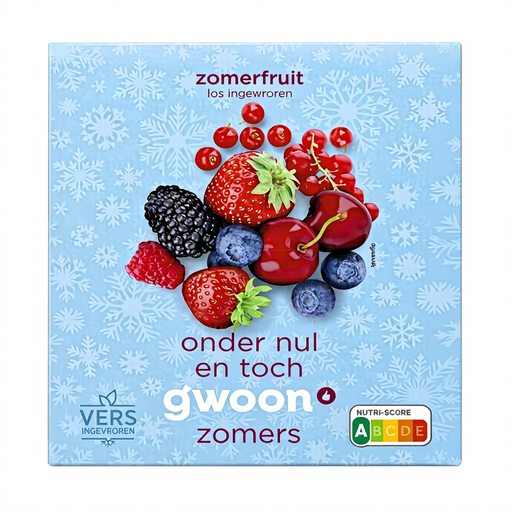
Why This Fits Their Persona: For those who want to make a nutritious smoothie quickly and easily. No-fuss preparation; the fruit is ready for the blender.
This product is pure and transparent. The ingredients list consists solely of fruit. It avoids the pitfall of added sugars or syrups sometimes found in other 'fruit products'.
A mix of summer fruits, ready to use. The controlled cold chain from storage to transport helps ensure quality.
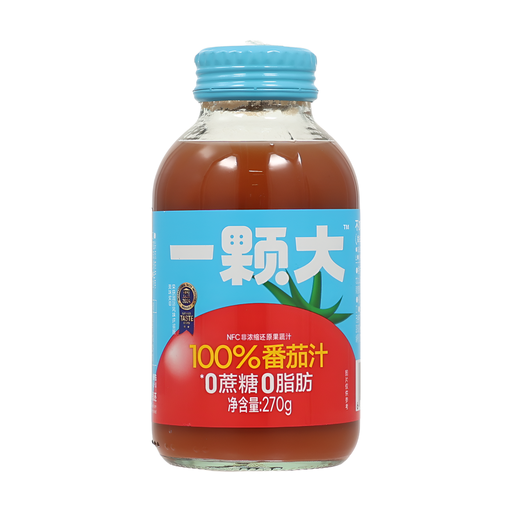
Why This Fits Their Persona: For the consumer looking for pure vegetable juice with no additives. Just the taste of tomato—nothing more, nothing less.
This product is the antithesis of the 'empty filler' and 'hidden sugar' pitfalls. It contains 100% pure tomato juice with no added water, sugar, or other additives.
The only ingredient is tomato. The juice is rich in natural pulp, which provides a fuller flavour and more dietary fibre.
We have compiled a complete, up-to-date list of products that meet these selection criteria and current regulations.
How long can frozen fruit be stored? Frozen fruit generally has a long shelf life, often up to a year after the production date, provided it is kept consistently at the correct temperature (usually -18°C or colder). The exact expiration date is always stated on the packaging. Once thawed, the product has a limited shelf life and should be refrigerated and consumed quickly.
Is cartoned juice as healthy as fresh-pressed juice? Cartoned juice, especially if it's not from concentrate and contains no added sugars, can be a practical source of vitamins. Fresh-pressed juice generally contains more fibre (if the pulp is not removed) and may have a higher concentration of certain heat-sensitive vitamins. The most important factor is to check the label for added sugars and the percentage of pure juice.
What should I look for when buying sugar-free drinks? Besides the 'sugar-free' claim, check the ingredients list to see which sweeteners are used (e.g., sucralose, stevia, xylitol). Also, look at the other ingredients. A sugar-free drink isn't automatically a healthy choice if it's full of artificial colours and flavours. Preferably, choose products with a short and clear ingredients list.
