
Same-day & Next-day Delivery

Quality Guaranteed

Unlock Your Welcome Offers: FREE Delivery | Up to 80% OFF | Free 30-day JoyPlus trial
Download the APP
A well-stocked pantry is the foundation of any smart kitchen. It saves time, money, and last-minute trips to the supermarket. But buying shelf-stable food online can feel like navigating a maze. Packaging promises the world, but the contents can sometimes be disappointing. Before you fill your digital shopping cart, it's wise to know what to look for to avoid buyer's remorse.
As a Joybuy Product Recommendation Officer, I'm here to help you make the right choices. We look beyond marketing claims to what's really inside the can, jar, or package. This way, you can confidently stock your pantry with products you'll actually use.
The selection is vast, and not everything is as it seems. Many consumers fall into the same traps. Here are two common mistakes:
You don't need to be a label expert to avoid these pitfalls. By focusing on a few key points, you can quickly assess the quality of shelf-stable food.
One of the most reliable indicators of quality is the ingredient list. When you're buying staples like canned tomatoes, look for a short, clear list.
The way a product is packaged and where it comes from says a lot about its flavour and intended use.
Keeping these points in mind makes it much easier to navigate an online supermarket and choose products that truly add value to your meals.
Not everyone has the same needs. That's why we've highlighted a few popular choices that suit different cooking styles and households.
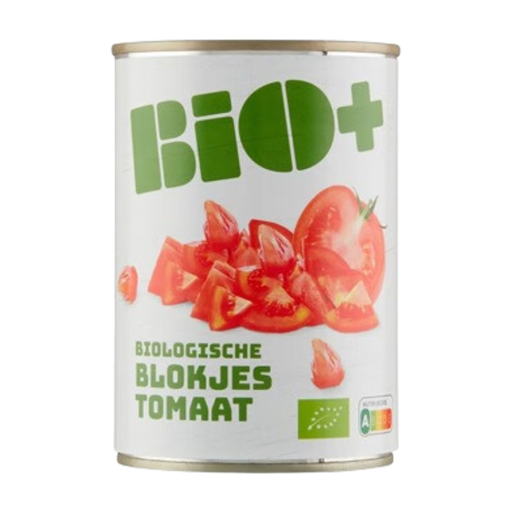
Why This Fits Their Persona: This is the ultimate staple for quick, nutritious meals. Ideal for a busy week when you want to put a pasta sauce, soup, or stew on the table without compromising on flavour.
This product bypasses the trap of hidden additives. The ingredient list is short and pure: organic tomatoes and tomato juice. No added sugars or unnecessary salt.
Certified organic and a versatile base for countless dishes. The tomatoes retain a good texture and a fresh, natural flavour.
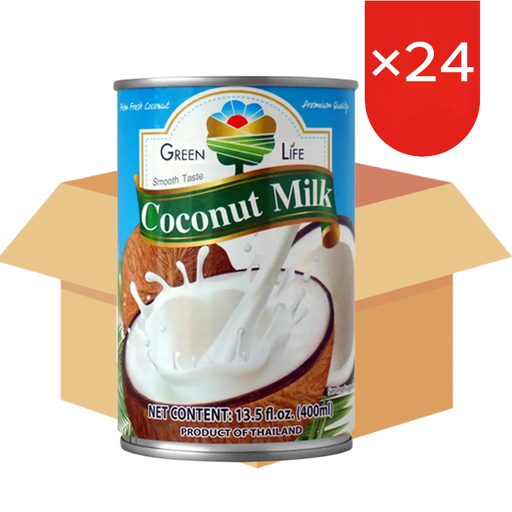
Why This Fits Their Persona: For those who love to experiment with Asian cuisine, good coconut milk is essential. This version is perfect for creating authentic Thai curries, Vietnamese soups, or even creamy desserts.
Many coconut milks are either too watery or too heavy. This version specifies a fat percentage of 5-7%, which provides a nice balance: creamy enough for a good sauce, but not so rich that it overpowers other flavours.
A clear fat percentage for predictable cooking results. The mild coconut flavour makes it a versatile base for various Asian ingredients.
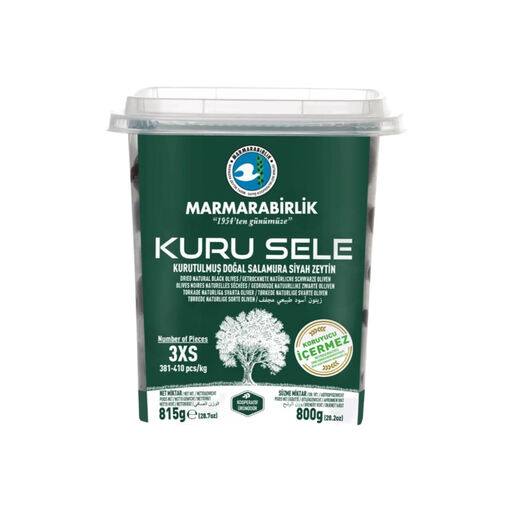
Why This Fits Their Persona: Perfect for lovers of the pure, intense flavours of the Mediterranean. These olives are a delicious addition to salads, tapas platters, or simply as a snack with drinks.
These are not standard olives floating in a watery brine. The "Kuru Sele" (dry-cured) method results in a wrinkled, fleshy olive with a concentrated, deep, and less salty flavour.
Authentic Turkish dry-cured olives for an intense flavour experience. The large 800g package is ideal for frequent users.
A well-stocked pantry starts here. Discover our full range of staples and international specialities that meet our selection criteria.
The best-before date is a guarantee of quality, not a safety deadline. As long as the can is undamaged (not bulging, leaking, or rusted) and has been stored in a cool, dark place, the contents are often safe to eat for months or even years after this date. However, the taste, colour, and texture may slowly deteriorate.
Look beyond the front of the package. Check the ingredient list for authenticity. For example, look for specific peppers, herbs, or fermented products characteristic of a particular cuisine, rather than generic terms like "Asian spice mix." Brands that specialise in a specific regional cuisine are often a good indicator of quality.
Definitely not. The biggest difference lies in the fat percentage and additives. Full-fat coconut milk (approx. 17-22% fat) is thick and creamy, ideal for curries. Light coconut milk (approx. 5-9% fat) is thinner and better suited for soups or drinks. Some brands use more stabilisers or thickeners, which can affect the texture. Choose based on the dish you plan to make.
