
Vandaag of morgen in huis

Kwaliteit gegarandeerd

Welkomstaanbiedingen ontgrendelen: GRATIS bezorging | Tot 80% korting | Gratis 30 dagen JoyPlus-proefperiode
Download de app
A sheet mask for your face seems simple enough: open the packet, apply the mask and wait. Yet many people end up buying a product that doesn't suit their skin or routine. A thin sheet that dries out quickly, a fit with openings in the wrong places, or a long list of ingredients with no clear purpose can make the purchase feel less worthwhile.
As a Joybuy Product Recommendation Officer, I filter products based on verifiable information, such as ingredients, number of masks, usage time, material and skin type. This way, you can compare a hydrating face mask on more than just words like "glow", "collagen" or "intensive".
Terms like "anti-ageing face mask", "glass skin" and "instant glow" sound appealing, but they don't automatically tell you what your skin needs. According to my own research or product information from a brand, certain ingredients can contribute to a particular skin feel or appearance. That's no guarantee for every skin type.
So look at the ingredients first. Glycerine, panthenol, hyaluronic acid and ceramides are often used in formulas aimed at moisture and comfort. For sensitive skin, it's also wise to check for fragrance, acids and any ingredients you've reacted to before.
A pack of ten masks might seem like good value, but also check the amount of essence per sheet, the recommended usage time and how you should store the product. A pot of thirty daily masks needs to be sealed properly after opening to prevent it drying out.
Compare the price per use, not just the price of the pack. Four masks of 30 ml each could be more interesting for your routine than a larger set you barely use.
A cotton sheet mask, hydrogel face mask and 3D sheet all feel different. A standard sheet may not fit well around the nose or jawline. A 3D model is more practical for some users, while a hydrogel mask generally feels heavier and more moist.
Pay attention to the usage time. A mask that the product description says should be left on for 10 minutes is not designed to be worn all night. Leaving it on too long can actually cause a tight, pulling sensation as the sheet dries out.
For a face mask for dry skin, moisture-binding ingredients are a logical starting point. Hyaluronic acid, often listed on ingredient lists as sodium hyaluronate or another form, appears in many formulas. A hyaluronic acid face mask can be pleasant when you're mainly looking for a temporary fuller and smoother skin feel.
If you're looking at a collagen face mask, you should know that "collagen" on the packaging doesn't automatically mean the collagen builds up deep in the skin. Check whether it's hydrolyzed collagen, collagen extract or another form. Think of it mainly as a skincare ingredient within a cosmetic formula.
For a face mask for sensitive skin, a short ingredient list, a patch test and a cautious frequency of use are sensible. Don't use a mask on damaged skin, on any wounds or when your skin is already severely irritated.
Also check whether the product is for single use. Putting a used mask back in the packet is not suitable for hygiene reasons.
Always follow the instructions on the packaging. In the range available, usage times vary from around 5 to 40 minutes; some hydrogel products mention a longer wear time or use overnight. The expiry date and batch information are on the packaging.
When comparing online, look out for:
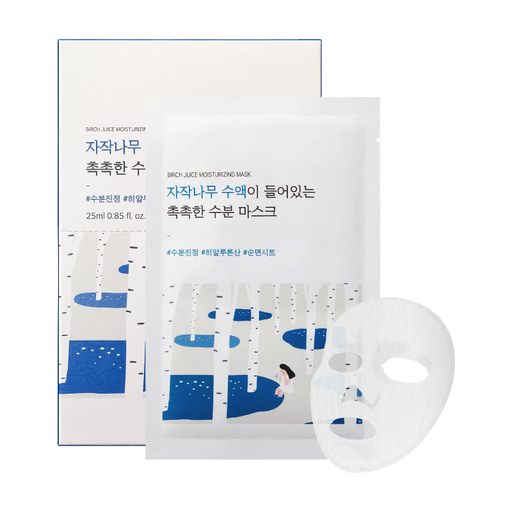
Why this fits the profile: A pack of 10 individual masks is practical for anyone who wants to try using them regularly at first without buying a large assortment straight away.
The product information states 25 ml per sheet, 10 pieces per pack and a usage time of 10 minutes. This means the contents and routine are clear in advance.
Contains, among other things, glycerine, sodium hyaluronate and allantoin according to the stated ingredient list.
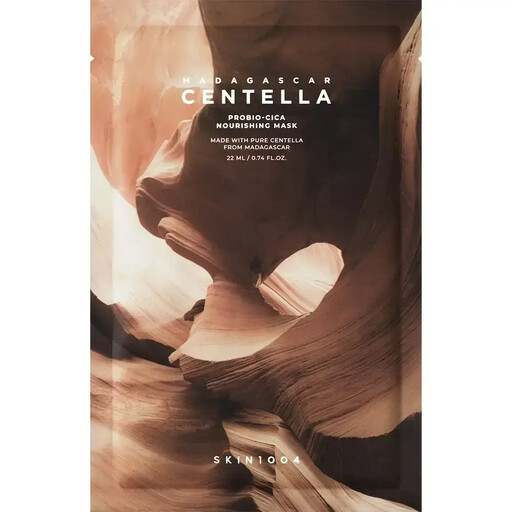
Why this fits the profile: According to the product description, this Korean sheet mask is aimed at dry, normal, combination and sensitive skin.
The ingredients and target audience are clearly described: fermented Centella extract, ceramides and a 9-peptide complex.
Milky essence, 22 ml per mask and a recommended usage time of 10–20 minutes.

Why this fits the profile: A hydrogel face mask for users who prefer a longer skincare session over a short daily routine.
The packaging states 4 pieces of 34 g and instructions for use for 3–4 hours during the day or overnight.
The ingredient list mentions multiple forms of hyaluronic acid, panthenol and ceramides.
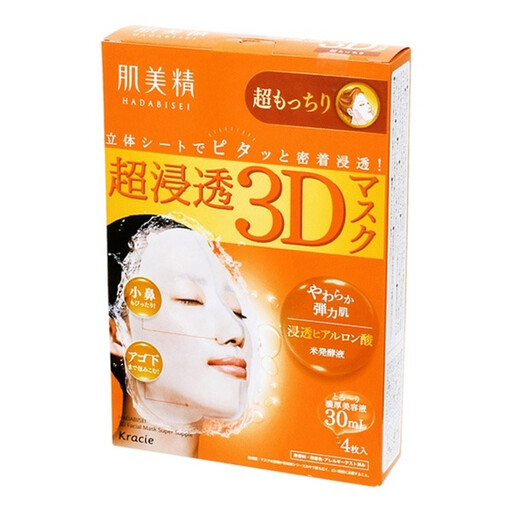
Why this fits the profile: The pre-shaped 3D sheet is designed for users who place great importance on a good fit around the nose, cheeks and chin.
The product description mentions a pre-shaped 3D sheet and gives step-by-step instructions on how to reduce air between the mask and the skin.
Four masks of 30 ml each, made in Japan; the variant contains hyaluronic acid according to the product information.
We've put together a full, up-to-date list of products that fully meet these strict selection criteria and comply with current European safety regulations.
For sensitive skin, a patch test is sensible, especially with products containing fruit acids, fragrance or lots of plant extracts. Stop if you experience redness, swelling, itching or a burning sensation, and rinse the skin if necessary.
That depends on the formula and the instructions. Some sheet masks are designed for daily use, while a collagen or hydrogel face mask is recommended once or twice a week. If you have sensitive skin, start with a lower frequency.
Follow the packaging. Many models advise 10–20 minutes, but two-step and hydrogel products may mention a longer wear time. Remove the mask once the stated time is up or when the sheet starts to dry out.
It can be, but first check the ingredients and warnings. A product with panthenol, ceramides or Centella may be aimed at comfort according to the product description, but individual reactions vary. Do not use a mask on damaged or irritated skin.
