
Vandaag of morgen in huis

Kwaliteit gegarandeerd

Welkomstaanbiedingen ontgrendelen: GRATIS bezorging | Tot 80% korting | Gratis 30 dagen JoyPlus-proefperiode
Download de app
A sheet mask for the face seems simple enough: open the sachet, apply the mask and wait. Yet there are clear differences in material, ingredients, fit, wear time and shelf life once opened. If you only look at words like “glow”, “collagen” or “anti-ageing”, you can end up paying for a promise that doesn’t suit your own skincare routine.
The most common buying pitfalls:
A hydrating face mask often contains glycerine, panthenol, ceramides or different forms of hyaluronic acid. These ingredients suit a dry skin that needs to feel temporarily more comfortable and supple.
For a soothing routine, look at centella asiatica, allantoin, panthenol or bifida ferment. With a face mask for sensitive skin, also watch out for fragrance, limonene, linalool and essential oils. “Natural” doesn’t automatically mean a formula is mild for everyone.
A collagen face mask can make the skin feel temporarily smoother and plumper thanks to the hydrating essence. Collagen in a cosmetic mask shouldn’t be equated with a proven structural change to the skin. The same goes for an anti-ageing face mask with retinol, retinal or bakuchiol: these ingredients require careful use and protection from sunlight.
A thin rayon or microfibre sheet feels light and is often suitable for a quick routine. A biocellulose or hydrogel mask usually adheres closely to the skin. That can be handy when you want to sit still without the mask slipping quickly.
Always check:
A 3D construction can improve the fit around the nostrils and chin. That’s a practical design choice, not proof that active ingredients are “maximally” or fully absorbed.
First test a new product on a small area of skin, especially if you have a reactive complexion. Stop if you feel a burning sensation, swelling, itching or noticeable redness. Do not use a mask on damaged, infected or irritated skin, and avoid contact with the eyes.
With retinol and retinal, daily sun protection is important. Some formulas also contain citric acid or vitamin C. So check the ingredients list and follow the product instructions. If you are pregnant, breastfeeding or unsure about active ingredients, it’s wise to consult a doctor or pharmacist.
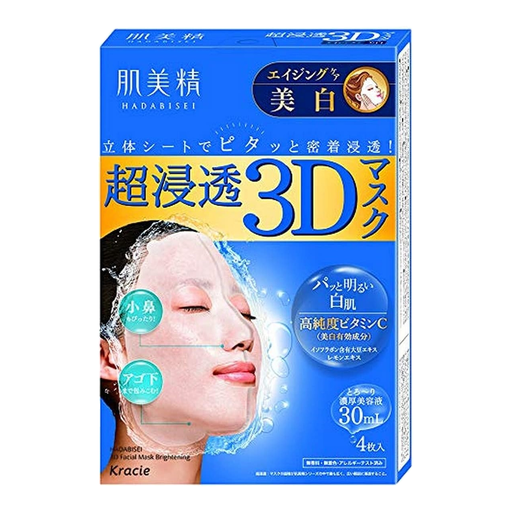
Why this fits the profile: A box of four masks is manageable for anyone wanting to try a Korean or Japanese skincare routine without buying a large multi-pack straight away. The 3D shape is designed to follow the contours of the face.
The product information states 30 ml of essence per mask and gives clear usage steps for shaping the 3D mask. This makes the choice less dependent on marketing terms alone.
Four pieces per box; moisturising formula; made in Japan according to the product description.
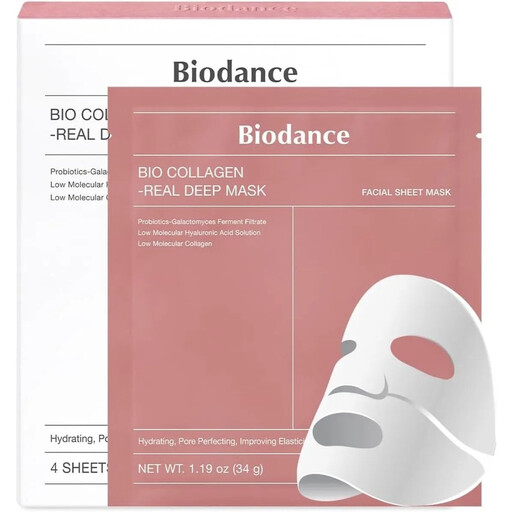
Why this fits the profile: This choice suits users planning a more intensive self-care moment. The biocellulose hydrogel consists of two parts and, according to the usage instructions, is intended for 3–4 hours, until the mask becomes transparent.
The packaging clearly states the longer wear time. So you don’t need to treat this mask like a standard 15-minute sheet mask.
Four masks of 34 g; biocellulose format; collagen, hyaluronic acid and adenosine are listed in the product description.
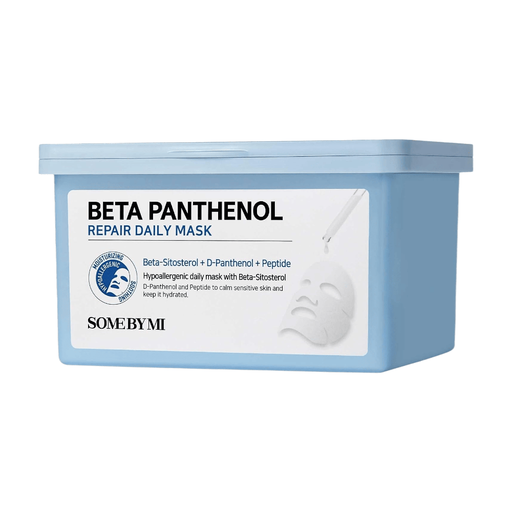
Why this fits the profile: The pack of 30 sheets is practical for anyone who uses a mask regularly. The formula contains, among other things, panthenol, glycerine, ceramide NP and several forms of hyaluronic acid.
The product information states a usage time of 10–20 minutes and advises sealing the packaging well. This helps limit waste from drying out.
30 single-use masks; panthenol listed at 10,500 ppm; according to the product information, vegan-certified and dermatologist-tested.
We’ve put together a full, up-to-date list of products that fully meet these strict selection criteria and comply with current European safety regulations.
That depends on the formula and your skin’s reaction. A simple hydrating face mask can be used several times a week according to the product instructions. Active formulas with retinol, retinal, acids or fragrance require more restraint. Always follow the packaging and build up gradually.
Many sheet masks are removed after 10–20 minutes. Some hydrogel masks are designed for 2–3 hours, and Biodance states 3–4 hours, until the mask becomes transparent. Leaving it on longer than recommended can actually become uncomfortable when the material dries out.
The price per use mainly depends on the number of pieces, the amount of essence and the material. A box of four intensive hydrogel masks has a different cost per application than a pack of 30 daily sheets. So don’t just compare the price of the pack, but also the price per mask, wear time and ingredients that suit your skin goal.
