
Vandaag of morgen in huis

Kwaliteit gegarandeerd

Welkomstaanbiedingen ontgrendelen: GRATIS bezorging | Tot 80% korting | Gratis 30 dagen JoyPlus-proefperiode
Download de app
A sheet mask for your face seems simple: open the packet, apply the mask and remove it after a few minutes. Yet many consumers buy a product that does not suit their skin or routine. A low price per mask, for example, means little if you find the mask uncomfortable to wear or cannot use it because of irritating ingredients.
The main pitfalls are:
Decide what you expect from the face mask. For dry skin, a hydrating face mask containing glycerine, panthenol, betaine or hyaluronic acid is an obvious choice. A soothing face mask often contains ingredients such as allantoin, liquorice root, centella asiatica or panthenol.
For a dull-looking complexion, consumers often look for a brightening sheet mask with niacinamide, vitamin C derivatives or glutathione. Check the full ingredients list as well. Brand product descriptions may mention a more even or radiant-looking complexion, but treat this as a cosmetic product claim rather than a guaranteed effect.
For mature skin, a collagen mask, adenosine or retinol are popular choices. According to the product descriptions of some brands, these ingredients are intended to care for elasticity, texture or fine lines. This does not mean that a mask medically treats wrinkles. Extra care is needed with retinol, as it may increase sensitivity to sunlight.
A thin tissue sheet feels lightweight, but may move out of place more quickly. Microfibre, rayon, biocellulose and hydrogel generally fit the skin differently. A 3D shape, such as that of the Hadabisei mask, can help cover the nose, cheeks and jaw more effectively.
In particular, check:
A good fit is more practically important than a long list of trendy ingredients. A mask that does not fit properly leaves parts of the face dry and can allow serum to run down your neck.
Read the packaging or product page before ordering. Look out for the use-by date, storage at room temperature and warnings relating to perfume, limonene, linalool, acids or retinoids. If you have sensitive or reactive skin, a patch test is advisable. Do not use a sheet mask on damaged, irritated skin or an open wound.
Then compare the price per mask:
price per mask = total price ÷ number of masks
A multipack of 10 or 30 masks is convenient for regular use. A pack containing 1 to 5 masks is more suitable if you want to try the fit and formula first.
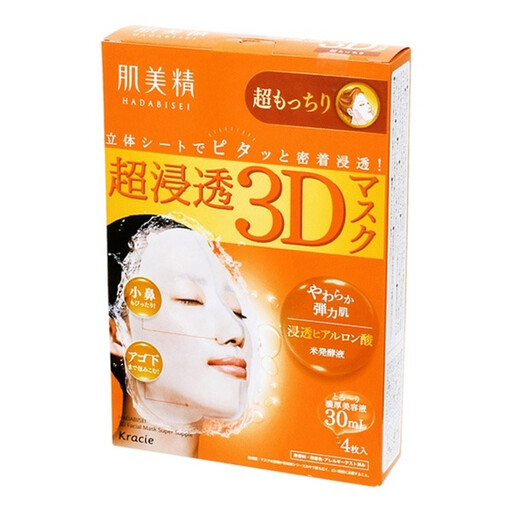
Why it suits this profile: The box contains four masks, allowing you to try a Japanese 3D sheet mask without buying a large supply straight away. The product page lists hyaluronic acid and hydration as its intended benefits.
The pack size of 4 is clearly stated. The instructions also say not to leave the mask on for too long or reuse it.
4 masks per box; 3D sheet; combination of low- and high-molecular-weight hyaluronic acid according to the product description.
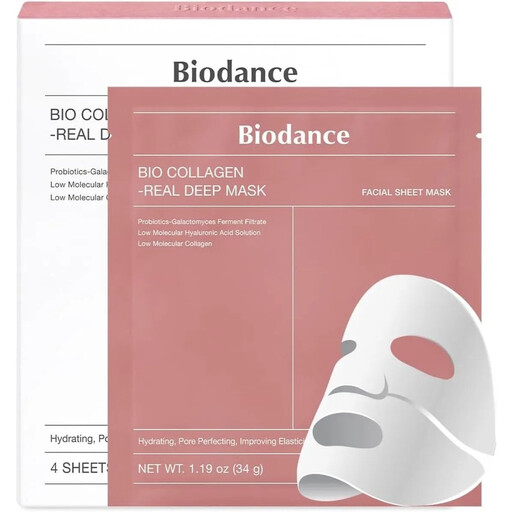
Why it suits this profile: This biocellulose and hydrogel mask is designed for an intensive skincare session. According to the product description, it contains marine collagen, hyaluronic acid, galactomyces ferment and adenosine.
The application time is clearly specified: 3 to 4 hours, until the mask becomes transparent. This means you do not have to guess how long to wear it.
4 masks weighing 34 grams each; two-part biocellulose/hydrogel construction; suitable for a weekly skincare routine.
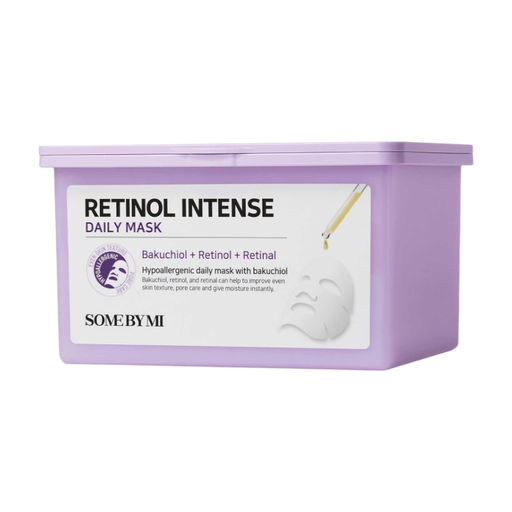
Why it suits this profile: With 30 individual masks, this is a good choice for anyone who wants to include a retinol face mask in their routine regularly. The formula lists retinol 0,1%, retinal, bakuchiol and several forms of hyaluronic acid.
The packaging and safety information mention retinol, sun sensitivity and the advice to introduce it gradually. Use sun protection and seek advice from a healthcare professional during pregnancy or breastfeeding.
30 masks; retinol 0,1% and retinal listed in the ingredients; application time of 10–20 minutes according to the instructions.
We have put together a complete, up-to-date list of products that fully meet these strict selection criteria and the applicable European safety regulations.
A Korean sheet mask, Japanese version or collagen mask does not replace a complete skincare routine. Combine the product with a simple moisturiser if your skin responds well to it. When using active ingredients such as retinol, vitamin C or acids, sun protection during the day is advisable.
This depends on the formula and the instructions. A simple hydrating face mask may suit some users several times a week. With retinol, acids or heavily fragranced formulas, less frequent use is advisable. Stop if you notice redness, itching, swelling or a burning sensation.
Usually not: with many sheet masks, you pat the remaining essence into your skin. Always check the product instructions. Do not sleep in a tissue mask if the packaging advises against it, and do not flush the material down the sink.
A multipack often has a lower price per mask and is suitable for regular use. Individual masks or smaller packs reduce the risk of being left with lots of products that do not suit your skin. Therefore, compare both the price per mask and the shelf life before buying sheet masks.
