
Vandaag of morgen in huis

Kwaliteit gegarandeerd

Welkomstaanbiedingen ontgrendelen: GRATIS bezorging | Tot 80% korting | Gratis 30 dagen JoyPlus-proefperiode
Download de app
A sheet mask for your face may seem simple: take the mask out of its packaging, place it on your face and wait a few minutes. However, there are clear differences in material, formula, wear time and ease of use. A low price does not automatically indicate that a product is suitable, while a long ingredients list is no guarantee of better results.
If you want to use a face mask at home, pay particular attention to the following points:
Terms such as glow, lifting, anti-ageing and glass skin usually describe the intended purpose or appearance that a brand associates with the product. They are not a guarantee of a lasting cosmetic effect. A hydrating face mask may leave your skin feeling more comfortable after use, but that does not automatically mean fine lines will disappear.
So check the ingredients and directions for use. Glycerine, panthenol, betaine and hyaluronic acid are often used in hydrating formulas. When choosing a collagen face mask, it is worth checking which type of collagen or collagen extract appears on the ingredients list. The presence of an ingredient alone says nothing about the overall user experience.
A face mask for sensitive skin may still contain fragrances, essential oils or other ingredients that cause your skin to react. The Dear, Klairs Midnight Blue Calming Sheet Mask is described as fragrance-free in the product information, but the ingredients list includes tea tree oil and limonene, among others. This is relevant information for people who avoid fragrance allergens.
If you have sensitive or redness-prone skin, carry out a patch test first, following the product instructions. Stop using the product if irritation, itching, swelling or a burning sensation occurs. Do not use a sheet mask on damaged or broken skin.
A sheet mask does not need to be left on until it has dried completely. Follow the recommended time stated on the packaging. Many traditional masks are intended to be worn for around 10 to 20 minutes, while some hydrogel masks can be worn for several hours.
If you leave a standard sheet mask on for too long, the sheet may dry out and feel less comfortable. Also consider the fit: a mask that keeps slipping is less convenient in practice than one that fits securely.
A rayon, bamboo or microfibre sheet generally feels lightweight and is suitable for a short skincare routine. Hydrogel face masks are thicker, often stay in place better and usually contain a larger amount of essence. Biocellulose and rubber masks fit differently and are often sold as part of a two-step treatment.
Look out for:
First decide what you want to use the product for, then look at the formula:
A brand may make claims based on its own research or consumer testing, but you should not regard such claims as a guaranteed personal result. Check the official ingredients list, recommended application time and warnings.
A pack of ten or thirty masks can offer good value if you use them regularly, but check whether each sheet is individually packaged and how the packaging should be resealed after opening. A single sheet mask is useful for trying out a formula first. Intensive hydrogel masks are often sold in packs of three or four and are generally intended for weekly use.
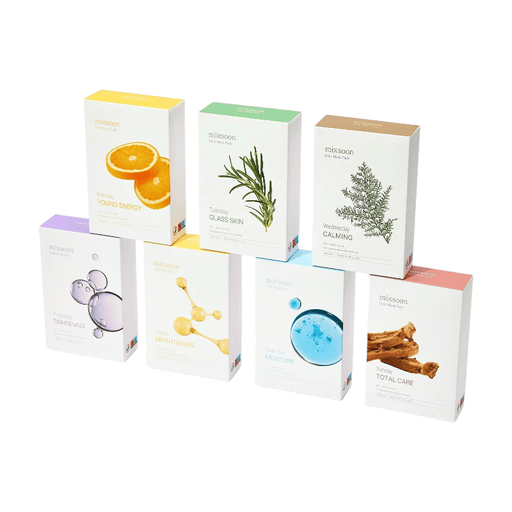
Why it suits this profile: The pack contains ten masks with variants designed for soothing, hydration, brightening and tightening, among other benefits. This makes it easy to compare different formulas in a single purchase.
The ingredients vary from day to day. The Thursday variant in particular contains retinol, so it is important not to treat all the masks as the same product.
Ten 20 ml sheets; several formulas containing ingredients including niacinamide, Centella and hyaluronic acid.
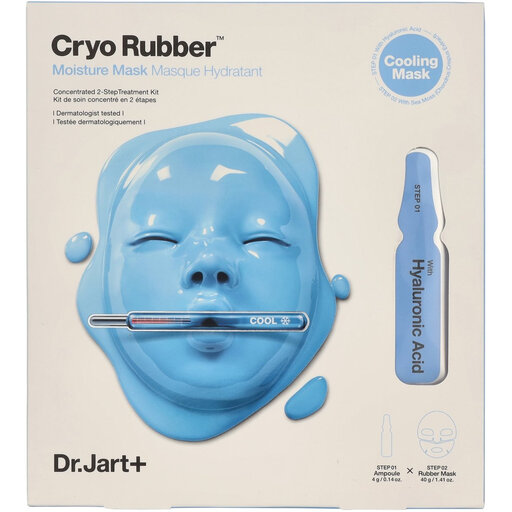
Why it suits this profile: The two-step system combines an ampoule with a flexible rubber mask. It is ideal for a planned skincare evening when you want to give the application a little extra attention.
The packaging clearly states that there are two steps and gives a wear time of 30–40 minutes. This makes it clear in advance that it is not a quick five-minute mask.
Ampoule with hyaluronic acid and niacinamide; the rubber mask helps cover the essence throughout the application time.

Why it suits this profile: This hydrogel mask is designed for a longer treatment of three to four hours or overnight use, depending on the product instructions.
The longer wear time is clearly stated. Do not use this mask like a traditional ten-minute sheet mask.
Four hydrogel masks; the ingredients list includes several forms of hyaluronic acid, panthenol and ceramides.
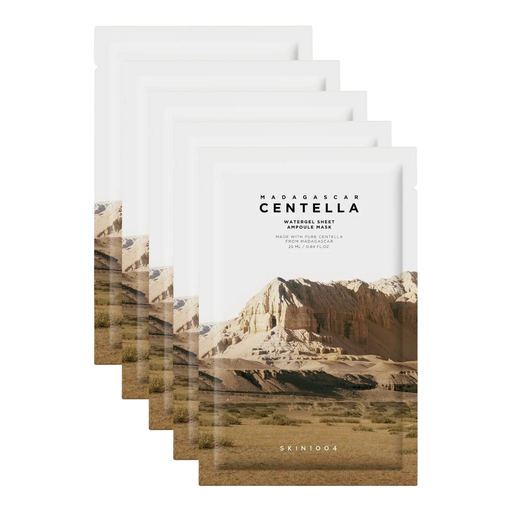
Why it suits this profile: The product description names Centella asiatica as the main ingredient and focuses on hydration and a soothing feel. Check the full ingredients list if you have sensitive skin.
The formula and recommended wear time of 15–20 minutes are clearly outlined. Even so, a patch test is advisable, as botanical ingredients are not suitable for everyone.
Available as a set of five; Centella asiatica and sodium hyaluronate are listed in the product information.
We have compiled a complete, up-to-date list of products that fully meet these strict selection criteria and the applicable European safety regulations.
Extra care is needed when using a retinol face mask. The product information for some retinol masks advises using sun protection and consulting a healthcare professional during pregnancy or breastfeeding. Always follow the brand’s specific warnings.
This depends on the product and formula. A simple hydrating sheet mask can form part of a regular routine, while a concentrated hydrogel mask is often recommended once or a few times a week. Check the packaging and pay attention to how your skin reacts.
Many sheet masks are used for 10 to 20 minutes. Hydrogel and biocellulose masks may have a longer wear time, sometimes two to four hours or overnight. Leaving a mask on for longer than instructed does not automatically make it more effective.
The price varies depending on the material, brand, number of masks and amount of essence. A pack containing several standard sheets usually costs less per use than a single two-step treatment. So do not compare only the pack price; also consider the number of masks and recommended frequency of use.
