
Vandaag of morgen in huis

Kwaliteit gegarandeerd

Welkomstaanbiedingen ontgrendelen: GRATIS bezorging | Tot 80% korting | Gratis 30 dagen JoyPlus-proefperiode
Download de app
Hair loss, thinning hair and an irritated scalp do not automatically call for the same shampoo. A product for an oily scalp works differently from a shampoo for a dry scalp or a formula for fragile, long hair. If you focus only on words such as “hair growth” or “anti-hair loss” on the packaging, you could easily end up buying a product that is not suited to your situation.
The following pitfalls are common:
First, consider the problem you experience while washing:
A hair-growth shampoo or hair-thickening shampoo may make your hair look fuller temporarily by adding volume or creating a smoother surface. This is not the same as demonstrably stimulating new hair growth.
Do not just compare the front of the packaging. Look at the full ingredients list. Commonly used ingredients in this category include:
Stop using the product if you experience redness, swelling, a burning sensation or persistent itching. Avoid contact with the eyes and follow the warnings on the label.
A 1,000 ml bottle may seem good value, but it is mainly practical if you use the product regularly and the formula suits you. Smaller packs are more convenient for trying a product first. Also check whether the shampoo should be rinsed out straight away or left to work for one to three minutes.
If you experience persistent, sudden or significant changes in hair loss, it is advisable to consult a GP or dermatologist. A cosmetic product is not a substitute for professional assessment or hair-loss treatment.
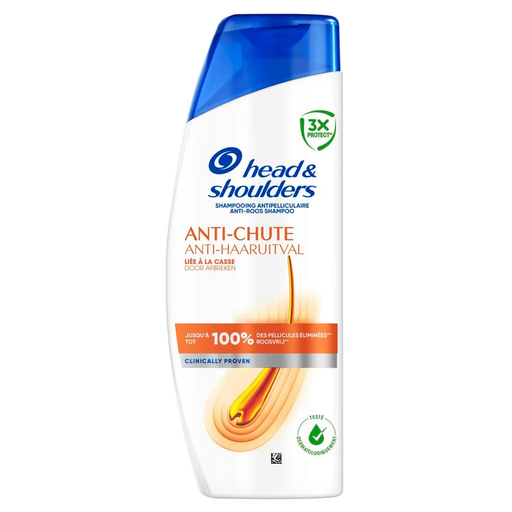
Why it suits this profile: An accessible choice for anyone looking to combine daily cleansing with care for dandruff, itching and an oilier scalp.
The product description mentions piroctone olamine and caffeine. This puts the focus on scalp care and dandruff, rather than solely on a general claim about fuller-looking hair.
250 ml, suitable for all hair types according to the product information and dermatologically tested according to the stated specifications.
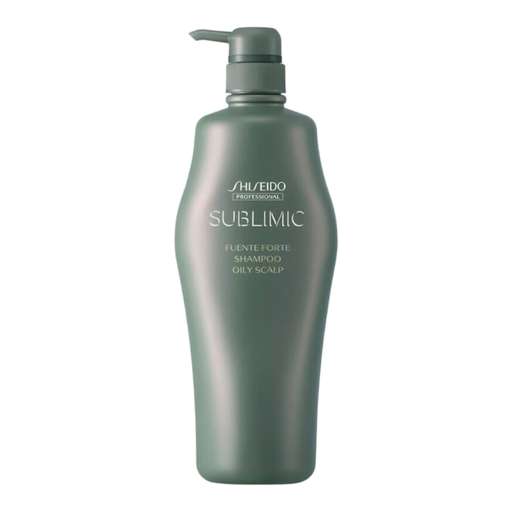
Why it suits this profile: Designed for users looking for a generous-sized bottle for an oily scalp or one that quickly feels weighed down.
This variant is specifically indicated for an oily scalp. That means you do not need to choose a dry-scalp formula when excess oil is the main concern.
1,000 ml volume; according to the product description, designed to remove excess oil and leave a fresh feeling.
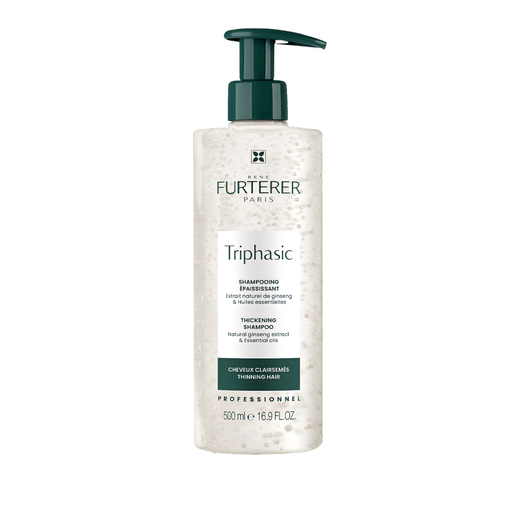
Why it suits this profile: A practical option for dull, thinning or fragile hair as part of a more comprehensive hair-care routine.
The directions state that it should be left to work for one to three minutes. This makes its use more specific than a product that only promises general results.
500 ml volume; the product description lists Pfaffia extract, ginseng, ATP and vitamin B5, as well as 96% ingredients of natural origin.
We have put together a complete, up-to-date list of products that fully meet these strict selection criteria and the applicable European safety regulations.
A shampoo can cleanse the scalp, help remove flakes and temporarily make your hair feel fuller or stronger. This does not automatically mean that the shampoo treats the cause of hair loss. Claims about reduced hair loss or hair growth should be viewed as manufacturer claims unless independent, verifiable evidence is available.
Follow the instructions on the packaging. Some shampoos are designed for daily use, while others specify a short leave-in time. Do not wash your hair more often in the hope of seeing results faster. This can be uncomfortable if you have a dry scalp; with an oily scalp, using a suitable routine can help remove excess sebum.
Consider seeking professional advice if you experience sudden or rapidly increasing hair loss, bald patches, pain, swelling, severe itching or flaking that does not improve. If a shampoo does not improve comfort or hair care after several weeks of consistent use, a different approach may also be more suitable.
