
Vandaag of morgen in huis

Kwaliteit gegarandeerd

Welkomstaanbiedingen ontgrendelen: GRATIS bezorging | Tot 80% korting | Gratis 30 dagen JoyPlus-proefperiode
Download de app
A shampoo for hair loss can help you care for your hair and scalp appropriately, but it is important to keep your expectations realistic. Shampoo is rinsed out quickly, so it is not a substitute for medical treatment in cases of sudden or severe hair loss. However, the right formula can help with hair breakage, a dry scalp, dandruff or hair that temporarily lacks volume.
The key question is not which packaging makes the biggest promises, but which specific problem you want to address. Someone mainly dealing with hair breakage will need a different product from someone with visible flakes or a sensitive scalp.
Broken hair can look like hair that has fallen out when you see it in the shower or on your clothes. Damage can be caused by heat, bleaching, colouring, tying hair up tightly or friction. A strengthening shampoo with conditioning ingredients can support the hair fibre, but that does not automatically mean the problem originates at the hair root.
So pay attention to the difference between:
Brands sometimes use terms such as ‘greater density’, ‘less hair loss’ or ‘stronger hair’. According to a brand’s own research, such results may have been measured under specific conditions of use. They are not a guarantee for every user. So check the small print, the recommended period of use and whether the claim relates to hair retention, hair breakage or visible appearance.
For example, a shampoo designed to add volume can make hair look fuller through cleansing, texture or a lightweight formula. That is not the same as demonstrably growing more hair.
‘With caffeine’, ‘with biotin’ or ‘with natural ingredients’ says little about the formula as a whole. Check the full ingredients list on the packaging. Fragrances, essential oils and cleansing ingredients may be less suitable for some people with sensitive scalps.
A shampoo for hair loss is also not automatically a shampoo for dandruff and hair loss. For visible dandruff, a targeted formula containing, for example, piroctone olamine is more relevant than a product that only promises added volume.
A good product choice starts with your scalp:
If you have persistent itching, redness, sores or sudden hair loss, it is advisable to consult a GP or pharmacist. Cosmetic shampoo is intended for care, not for diagnosing or treating a medical condition.
Sulphates are not necessarily a bad thing, but they can feel drying for some users. Sulphate-free formulas often cleanse more gently, while other shampoos produce more lather and may be suitable for an oilier scalp. Consider how you use the product:
The ingredients list can change. Always compare the packaging you receive with the online product information.
A 1,000 ml bottle may seem good value, but it only makes sense if you use the product frequently or share it with several people. A smaller 250 or 300 ml bottle is more convenient for trying it first. Massage shampoo mainly into the scalp, then distribute the lather through the lengths. Rinse thoroughly and use conditioner only where the hair is dry or damaged.
Only leave a product on for longer if the instructions say to do so. For example, René Furterer Triphasic Strengthening Shampoo has a recommended leave-in time of 1 to 3 minutes. A daily shampoo does not automatically need to be left on for long.
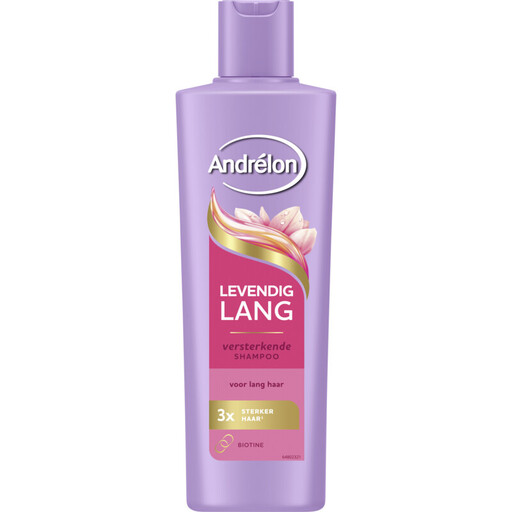
Why it suits this profile: An accessible choice for adults with long hair who mainly want to reduce hair breakage and protect damaged lengths as part of their daily routine.
The product information highlights strengthening for long hair and includes biotin. This gives it a clearer focus than a general claim about hair loss.
250 ml, designed for long hair, with biotin according to the ingredients list and suitable for daily hair washing.
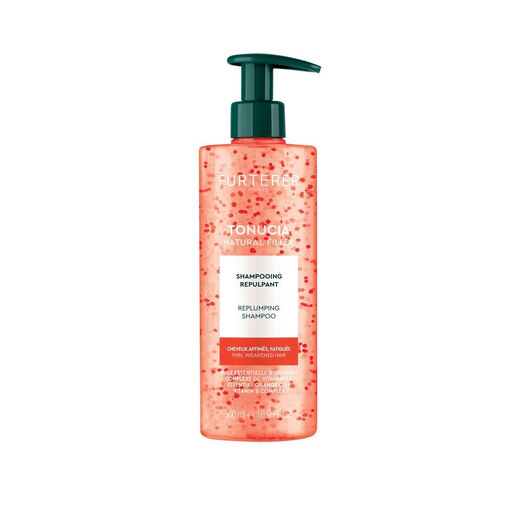
Why it suits this profile: For anyone who wants to wash fine, limp or thinning hair daily while focusing on hydration, suppleness and a fuller appearance.
The product description specifies daily use and mentions hydration and a fuller-looking hair fibre, rather than making a medical promise.
500 ml, 90% ingredients of natural origin according to the product information, plus tamarind seed extract, glycerine and hydrolysed wheat protein.
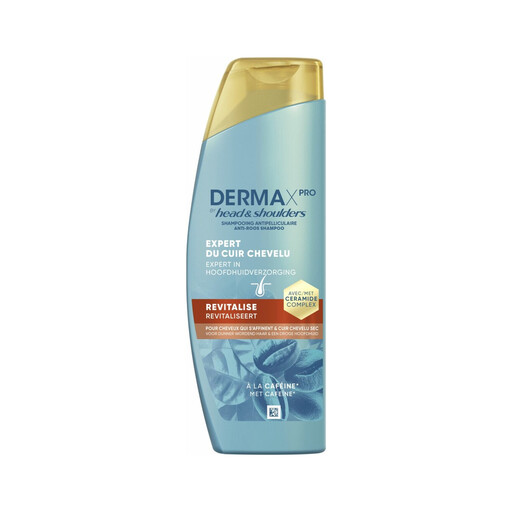
Why it suits this profile: For users whose thinning-looking hair is accompanied by a dry, flaky scalp and who are looking for a targeted shampoo for dandruff and hair loss.
The formula lists piroctone olamine and caffeine and has a clear anti-dandruff focus. According to the brand’s own research, certain hair-retention results were measured after regular use; this is not a guarantee.
250 ml, dermatologically tested according to the product information and designed for dandruff-prone scalps and hair that breaks easily.
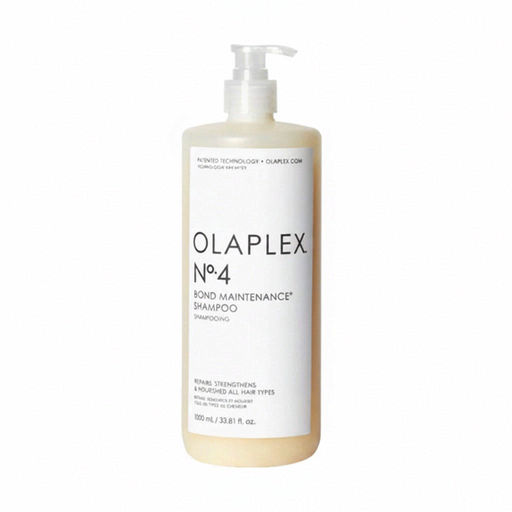
Why it suits this profile: A practical option for coloured, chemically treated or styling-damaged hair where hair breakage is the main concern.
The product description focuses on bond care, damage and hair breakage. This makes it clear that it is not a shampoo for dandruff.
1,000 ml, sulphate-free and suitable for coloured hair according to the product information; contains panthenol and a bond-care ingredient, among others.
We have put together a complete, up-to-date list of products that fully meet these strict selection criteria and the applicable European safety regulations.
A shampoo can cleanse the scalp and care for the hair. Products can also help reduce hair breakage or make the hair look fuller. According to a brand’s own research, additional results may have been measured, but these do not automatically apply to everyone. In cases of long-term or sudden hair loss, seeking professional medical advice is more appropriate.
That depends on the formula and your scalp. Some products are designed for daily use, while an anti-dandruff shampoo may have a specific recommended frequency according to the label. Start by following the instructions on the packaging and stop if irritation occurs. A small amount of shampoo is usually enough when you massage it into a thoroughly wet scalp.
A fuller appearance may become visible after a few washes thanks to a lighter, conditioning formula. Changes in hair breakage or scalp comfort usually require longer, consistent use. So do not compare only photos or advertising claims; also look for less breakage, easier combing, fewer flakes and how your scalp responds.
