
Vandaag of morgen in huis

Kwaliteit gegarandeerd

Welkomstaanbiedingen ontgrendelen: GRATIS bezorging | Tot 80% korting | Gratis 30 dagen JoyPlus-proefperiode
Download de app
A shampoo’s primary job is to cleanse your scalp and hair. However, comparing products online is not always straightforward. Terms such as “repair”, “gloss”, “nourishing” and “natural” sound appealing, but on their own they reveal little about the formula or how the product should be used.
The right choice mainly depends on your scalp, your hair type and how you look after your hair. Keep the following points in mind to avoid paying for a formula that is not right for you.
Dry or damaged hair often needs conditioning through the lengths, while an oily scalp may need a thorough cleanse. A rich shampoo for dry hair can feel heavy on a scalp that becomes oily quickly. Conversely, a deeply cleansing shampoo for oily hair can leave dry ends feeling even rougher.
So first consider where the problem lies:
A sulphate-free shampoo does not contain certain sulphate cleansers, while a silicone-free shampoo does not use silicones to make the hair feel smoother. This may suit your preferences or routine, but it does not automatically mean the shampoo will work better for every hair type.
Sulphates are cleansing ingredients. Silicones can help create a smooth feel and reduce friction when brushing or combing. If you have fine hair, a heavy conditioning formula may make it fall flat more quickly. With curly or dry hair, additional conditioning may be exactly what you need.
So always check the full ingredients list on the packaging. Brands can change their formulas, so the current list on the product is the one to rely on.
A bottle of 800 or 1.500 ml may look attractive, but it is only practical if the formula suits you and you use it regularly. Compare the price per 100 ml, not just the total price. A smaller bottle may be more convenient if you want to try a new shampoo first or often switch between an all-hair-types shampoo and a specific formula.
Product labels often indicate whether a shampoo is intended for dry, damaged, oily or curly hair. Treat this as a way to narrow down your options, not as a guarantee of a particular result. A shampoo for shiny hair usually focuses on a smoother appearance and a softer feel. A repairing shampoo is generally intended for hair that feels more vulnerable due to styling, colouring or other treatments.
When dealing with dandruff, it is important to check the instructions and ingredients carefully. For example, the Dancoly Green Tea Anti Dandruff Shampoo lists green tea extract, menthol and zinc pyrithione in its product information. According to the brand’s usage instructions, this variant should be used two to three times a week, depending on the condition of the scalp. Stop using it if irritation occurs and seek advice from a healthcare professional if symptoms persist.
The first ingredients on the list are usually present in the highest quantities. A formula containing ingredients such as sodium laureth sulfate or sodium lauryl sulfate may cleanse more deeply than a shampoo with milder cleansers. That is not necessarily good or bad: it depends on how quickly your scalp becomes oily, how many styling products you use and how dry your lengths are.
If you specifically want to buy a sulphate-free or silicone-free shampoo, check the product packaging. A marketing claim in an online description may be out of date.
Check the contents in millilitres, the type of cap or pump and the recommended frequency of use. A pump bottle can be useful in a household where shampoo is used every day. A smaller bottle is easier to take with you and limits waste if you do not get on with the formula.
Focus on washing your scalp and let the lather run through the lengths. Use lukewarm water, rinse thoroughly and apply conditioner to the lengths if they are dry or difficult to comb through.
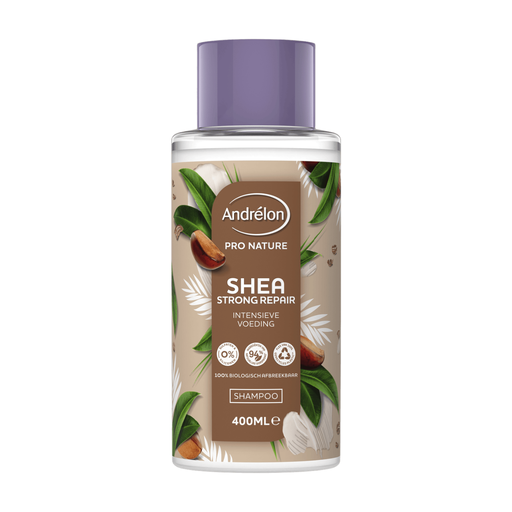
Why it suits this profile: A 400 ml bottle for adults looking for a straightforward shampoo for dry or damaged hair.
The product information states 0% sulphates and silicones, allowing you to factor these points directly into your comparison.
400 ml contents; shea butter in the ingredients list; according to the product information, 94% ingredients of natural origin.
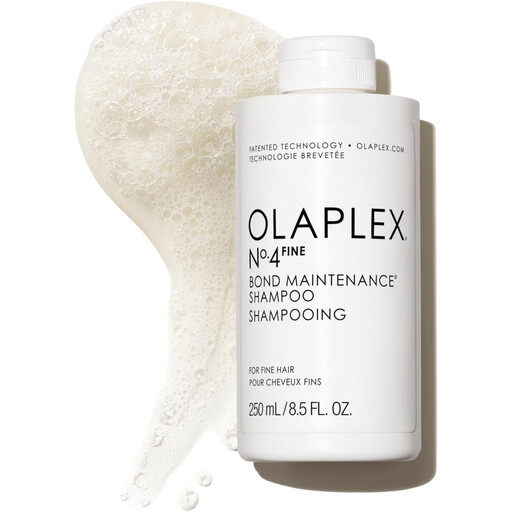
Why it suits this profile: For anyone looking for a smaller bottle designed with fine hair, shine and daily care in mind.
The product description specifically mentions fine hair, so you do not have to rely solely on a general claim for all hair types.
250 ml contents; according to the product information, suitable for coloured and chemically treated hair; vegan according to the product description.
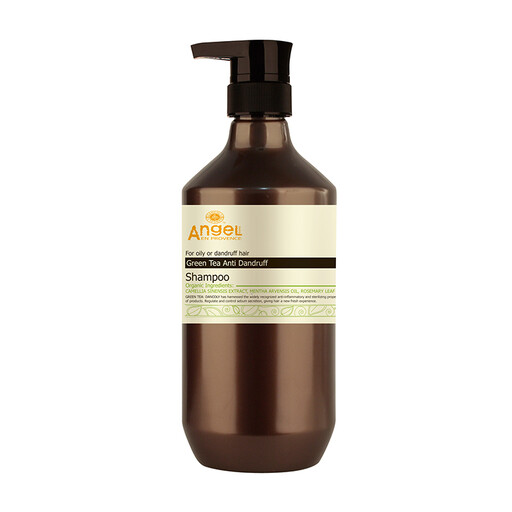
Why it suits this profile: A large bottle for adults specifically looking for an anti-dandruff shampoo to use according to the label.
The recommended frequency of use is stated in the product information, so you do not have to use this shampoo as an everyday shampoo by default.
800 ml contents; green tea extract, menthol and zinc pyrithione listed among the ingredients; according to the product information, dermatologically tested.
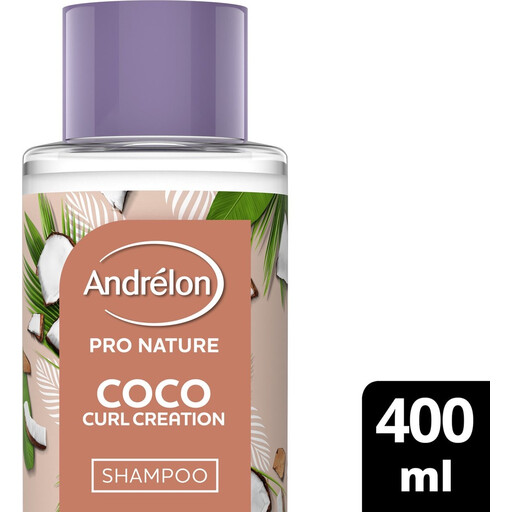
Why it suits this profile: Designed for curly hair that could benefit from hydration and reduced frizz.
The product description names curly hair as its target audience and states 0% sulphates and silicones, rather than relying solely on a general shine claim.
400 ml contents; coconut oil listed among the ingredients; according to the product information, 94% ingredients of natural origin.
We have put together a complete, up-to-date list of products that fully meet these strict selection criteria and the applicable European safety regulations.
Choose a moisturising shampoo with ingredients such as glycerine, oils, butters or proteins. A shampoo for damaged hair may be suitable when your hair feels fragile after colouring, heat styling or other styling. Also use conditioner on the lengths and avoid very hot water.
It depends on your scalp, how much you sweat and how often you use styling products. An oily scalp may need washing more frequently than dry or curly hair. When using an anti-dandruff shampoo, always follow the instructions on the packaging. Using more shampoo does not automatically make your hair cleaner; a small amount is usually sufficient.
Not always. Compare the price per 100 ml, the ingredients and how well the product suits your hair. A professional shampoo in a large bottle may be worthwhile if you use it regularly, but a smaller bottle is the wiser choice if you first want to see how your hair and scalp respond to the formula.
