
Vandaag of morgen in huis

Kwaliteit gegarandeerd

Welkomstaanbiedingen ontgrendelen: GRATIS bezorging | Tot 80% korting | Gratis 30 dagen JoyPlus-proefperiode
Download de app
Choosing a shampoo seems simple until you have to decide between anti-dandruff shampoo, volumising shampoo, hydrating shampoo or a deep-cleansing shampoo. A product may suit your scalp well but be less suitable for your lengths. Conversely, a conditioning formula may leave your hair feeling smooth while making your scalp feel greasy more quickly.
As a Joybuy Product Recommendation Officer, I focus mainly on verifiable information: contents, ingredients, usage advice and the purpose stated for a product. This helps you avoid choosing based solely on a striking claim or an appealing fragrance.
A pack of 800 or 1000 ml may look appealing, but the right choice depends on how often you wash your hair and how much product you need. A shampoo for daily use will be used differently from a formula described as suitable for use two to three times a week. So don’t just compare the price: also consider the volume and recommended usage.
Terms such as “against hair loss”, “repairing” or “professional shampoo” can mean different things. A brand’s own research or product description may mention certain results, but this is not a guarantee for every user. Shampoo is rinsed out and is primarily intended to cleanse and care for the hair and scalp.
If you experience persistent itching, severe flaking, irritation or noticeable hair loss, it is advisable to consult a doctor or pharmacist. A cosmetic product is not a substitute for medical advice.
A deep-cleansing shampoo can be useful when you use lots of styling products or have excess sebum or a greasy feeling. However, a highly cleansing formula may feel less comfortable on a dry scalp. Pay attention to the difference between your scalp and your hair lengths. For example, you could combine a shampoo for a dry scalp with a conditioner for damaged hair.
Use this classification as a starting point:
For fine hair, a volumising shampoo such as NIVEA Volume Care may be worth considering. According to the product description, this formula contains bamboo extract and is intended to give the hair more grip and visibly more volume without making it feel heavy.
For dry or damaged hair, oils, glycerine, keratin and conditioning polymers are common ingredients. According to the product information, Syoss Intense Oleo Shampoo contains sunflower oil esters and hydrolysed keratin, among other ingredients. This makes the product a suitable choice for anyone primarily looking for softness and conditioning.
For blonde, grey or highlighted hair, a shampoo for blonde hair can help maintain the appearance of the colour. According to the product description, Syoss Intense Blonde is offered to visibly reduce yellow tones. Always check the warnings on the packaging and use the shampoo according to the label.
As well as the ingredients, check:
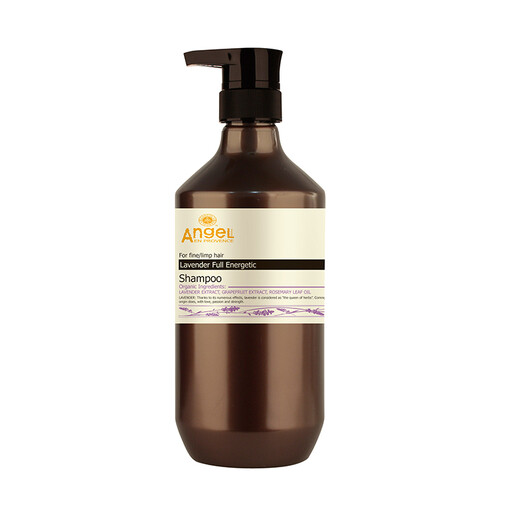
Why it suits this profile: The generous pack size is practical for anyone looking for a shampoo with lavender and rosemary who doesn’t want to buy a new bottle too often. According to the product description, it is intended for fine or thinning hair.
The volume and usage advice are clearly stated. Don’t expect guaranteed results based on the extracts; choose this product primarily according to its fragrance, ingredients and suitability for your hair.
800 ml volume; lavender and rosemary extract according to the product information; recommended use two to three times a week.
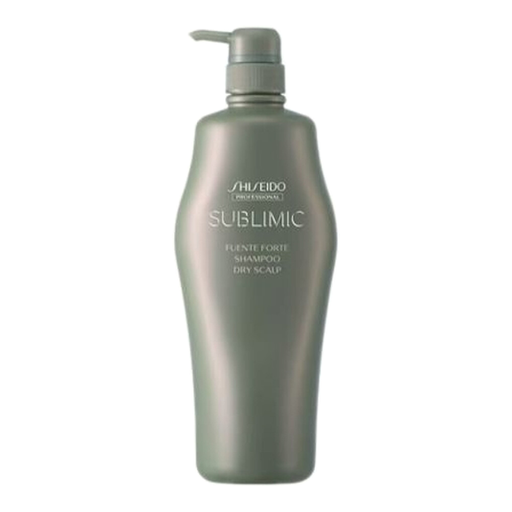
Why it suits this profile: This large pack is designed for a dry scalp and gentle cleansing. The product description refers to a scalp-care range with a variant for dry scalps.
The variant is explicitly labelled as dry scalp. This means you don’t have to rely on a general term such as “conditioning”. However, check that the ingredients suit your personal sensitivities.
1000 ml volume; clearly identified dry scalp variant; suitable for a routine focused on gentle cleansing.
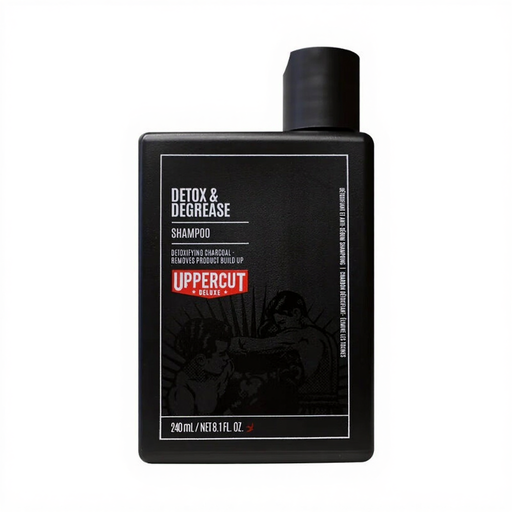
Why it suits this profile: According to the product description, this deep-cleansing shampoo is intended for people who regularly use pomade, wax or gel and therefore want to remove product residue and excess oil.
Its intended use is clearly described. Don’t automatically use a degreasing formula on a dry scalp; adjust the frequency to suit your styling routine.
240 ml volume; designed to remove styling residue and excess oil; suitable for all hair types according to the product information.
We’ve put together a complete, up-to-date list of products that fully meet these strict selection criteria and the applicable European safety regulations.
First wet your hair thoroughly and use a small amount. Massage mainly into the scalp; the lengths are usually cleansed sufficiently as the lather runs through them. Rinse thoroughly. If you have a sensitive or dry scalp, washing less often may feel more comfortable, while an oily scalp or intensive use of styling products may call for a different routine.
Don’t automatically combine an anti-dandruff shampoo with several highly cleansing products. Give a new routine time to assess its effects and always follow the manufacturer’s instructions on the label.
Choose a shampoo for oily scalps or a formula that helps remove excess sebum and product residue. According to the product information, a product such as OGX Apple Cider Vinegar Extra Strength is offered for all hair types and oily hair. Check that your hair lengths don’t feel dry and adjust your washing frequency accordingly.
This varies from product to product. According to the product description, some formulas are suitable for daily use, while others recommend more limited use. Read the packaging and stop using the product if irritation occurs. If your symptoms persist, seek medical advice.
A shampoo for hair loss can cleanse the hair and scalp and, according to a brand claim, contribute to hair retention or a fuller appearance. This is no guarantee that hair loss will stop. Look at the ingredients and the specific intended use, and have persistent or sudden hair loss assessed by a doctor.
