
Vandaag of morgen in huis

Kwaliteit gegarandeerd

Welkomstaanbiedingen ontgrendelen: GRATIS bezorging | Tot 80% korting | Gratis 30 dagen JoyPlus-proefperiode
Download de app
Buying a new shampoo seems simple, but attractive packaging or a promise on the label does not always tell you enough. A product for shiny hair, for example, may be too heavy for an oily scalp. A shampoo for hair loss may primarily be a cosmetic hair care product rather than a solution to an underlying cause.
As a Joybuy Product Recommendation Officer, I cut through marketing language and focus on information you can check: hair type, scalp, ingredients, volume and use. This helps you compare products more effectively and avoid leaving an unused bottle in the bathroom.
Terms such as “repairing”, “intensively nourishing” and “for all hair types” sound appealing. However, fine hair often has different needs from thick or curly hair. A rich formula can make dry hair feel more comfortable, but it may also reduce volume.
So start by considering the purpose:
A sulphate-free shampoo does not contain certain sulphate cleansers, but that does not mean every user will find this formula more pleasant. The cleansing experience may feel different and it may produce less lather. Conversely, the presence of a sulphate is not, by itself, proof that a shampoo is unsuitable.
Always check the full INCI list on the packaging. Also look out for fragrance, colourants and ingredients you personally react to. The manufacturer states the current formulation on the product; this list may change.
A 250 ml bottle may seem cheaper than a 1,000 ml pack, but the price per 100 ml gives you a fairer comparison. A large bottle is practical for a household with several users, while a smaller pack is more convenient for trying a product first or taking it with you.
Also consider the dosage and directions for use. Using more shampoo does not automatically make your hair cleaner.
Your scalp mainly determines how deeply you want to cleanse. The lengths determine how much conditioning they need. If you have an oily scalp and dry ends, a two-step approach can be useful: cleanse the scalp thoroughly and apply conditioner mainly to the lengths.
A shampoo for all hair types is most relevant when you do not have a specific hair concern. For dry and damaged hair, you may come across ingredients such as oils, glycerine, proteins or conditioning polymers. These ingredients can make the hair feel softer, but the result varies depending on your hair structure.
Treat claims such as “against hair loss”, “protects against UV radiation” or “repairs from within” with caution. Present them as brand claims, not established effects. According to the product description, Lucovitaal, for example, claims that its shampoo has been developed to help reduce hair loss. That does not make the product a medical treatment.
If you experience persistent hair loss, irritation, redness or severe flaking, it is sensible to seek professional advice. Stop using the product if irritation occurs and follow the warnings on the label.
Compare millilitres, packaging type and recommended use. A 550 ml pump bottle can be convenient for everyday use. A 1,500 ml salon-size bottle makes most sense when several people use the same shampoo.
Check the following with every purchase:
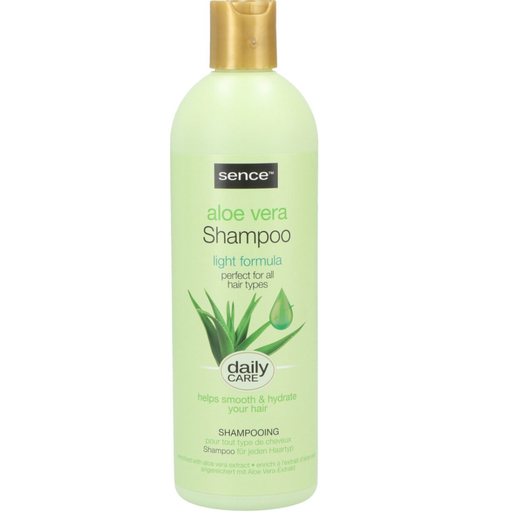
Why it suits this profile: The 400 ml bottle is an accessible option for anyone looking for a straightforward shampoo for dry and damaged hair.
The product information mentions aloe vera and a lightweight formula, without a complicated list of performance claims. Check the current ingredients on the packaging.
400 ml volume; aloe vera is mentioned in the product description as a conditioning ingredient for dry and damaged hair.
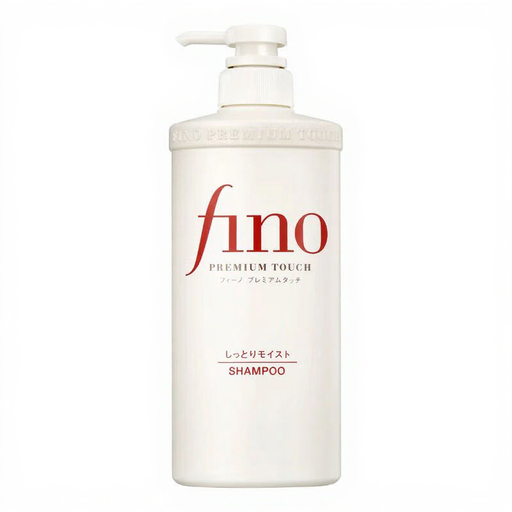
Why it suits this profile: This shampoo is well suited to users who value conditioning, a larger volume and pump packaging.
The specifications list not only conditioning ingredients, but also the 550 ml volume and a pump as the packaging type.
According to the product description, the formula contains royal jelly EX, trehalose, PCA and Lipidure EX, among other ingredients; the ingredients list also includes sulphate cleansers.
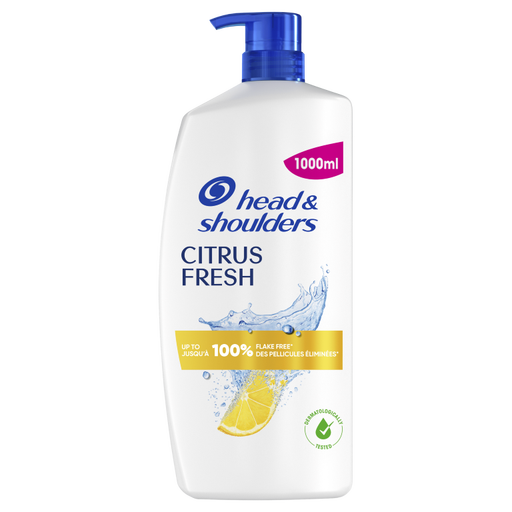
Why it suits this profile: The 1,000 ml volume is practical for regular use and for households where several people use the same shampoo.
The product description states its anti-dandruff purpose, while the directions advise leaving the lather to work for a few minutes. Always follow the label.
1,000 ml volume; the ingredients list includes piroctone olamine and menthol; intended for anti-dandruff care.
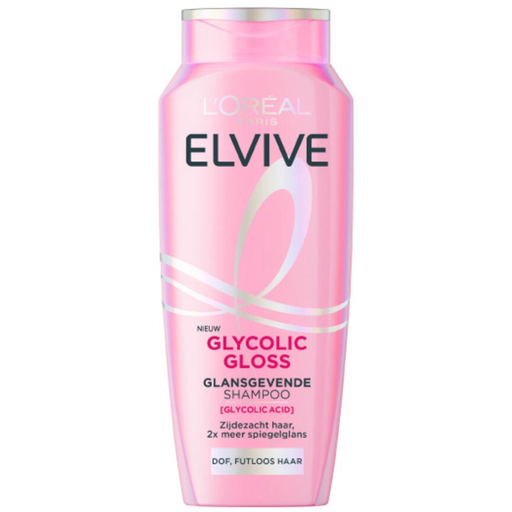
Why it suits this profile: This option is aimed at dull, porous hair when a smoother feel and more shine are the priority.
The product information explicitly states that it has a sulphate-free formula and a lightweight, creamy texture. Check the current INCI list before buying.
250 ml volume; glycolic acid is mentioned in the product description; according to the product information, the product is suitable for curly and straight hair.
We have put together a complete, up-to-date list of products that fully meet these strict selection criteria and the applicable European safety regulations.
Wet your hair thoroughly and use a small amount. Massage the scalp mainly with your fingertips and rinse thoroughly. If your hair lengths are sensitive or dry, you do not need to rub the ends vigorously. Use conditioner or a hair mask only where extra care is needed.
If you want to switch to a different formula, do not try several new products at the same time. This makes it easier to see which shampoo suits your hair. Store the bottle according to the instructions and check the expiry date or period after opening on the packaging.
That depends on your scalp, sporting activities, styling products and personal preference. A shampoo for daily use may be suitable if you wash your hair often, but pay particular attention to how your hair and scalp respond. Wash with lukewarm water and do not use more product than necessary.
Choose a shampoo for dry and damaged hair with conditioning ingredients such as oils, glycerine, proteins or conditioning agents. A moisturising shampoo can make the hair feel softer. However, check that the formula is not too heavy for fine hair and apply conditioner mainly to the lengths.
Some brands describe their product as a shampoo for hair loss or claim that it makes hair look stronger or fuller. According to the brand’s own product information, a formula may contain ingredients that care for the scalp, for example. This is not a guarantee that it will reduce hair loss and is not a substitute for medical advice. If your symptoms persist, it is best to consult a doctor or another qualified healthcare professional.
