
Vandaag of morgen in huis

Kwaliteit gegarandeerd

Welkomstaanbiedingen ontgrendelen: GRATIS bezorging | Tot 80% korting | Gratis 30 dagen JoyPlus-proefperiode
Download de app
Dull hair does not automatically become shinier just because a shampoo has an eye-catching name. Shine is also linked to the condition of the hair fibre, product build-up, colour treatments and how you care for your hair after washing. If you are specifically looking for shampoo for shiny hair, it is therefore worth identifying your hair and scalp type first.
A shampoo may be described as promoting shine, but that does not mean it is suitable for every hair type. A formula for dry, frizzy hair may be too rich for an oily scalp. Conversely, a deep-cleansing shampoo can be useful when you use lots of styling products, but less suitable for daily use on dry hair.
So pay attention to the combination of hair type, scalp and frequency of use, rather than just words such as “shine” or “gloss”.
A silver shampoo or shampoo for yellow tones often contains purple pigments. These are intended for blonde, grey, white or highlighted hair. They are not the same as a regular shine shampoo and, if used incorrectly, may leave an unwanted cool or purple cast.
Check the recommended processing time on the packaging. For example, the L’Oréal Professionnel product specifies a processing time of 1 to 3 minutes. Always follow the latest instructions on the label.
Under the European Cosmetics Regulation (EC) No 1223/2009, cosmetic products must include, among other things, an ingredients list and safety information. If you have a sensitive scalp, check whether the formula contains fragrance, essential oils or known fragrance allergens. The information on the packaging takes precedence, as brands may update their ingredients lists.
A shampoo is not a medical treatment either. If scalp problems persist, advice from a GP or pharmacist is more sensible than continually trying a different product.
Use this simple guide:
Cleansing agents are usually listed near the beginning of the ingredients list. Sulphates such as sodium laureth sulphate cleanse powerfully, while sulphate-free formulas are often chosen by people who prefer a gentler wash or prioritise colour retention. This does not automatically make a formula suitable or unsuitable: the right choice depends on sebum production, styling habits and how your hair responds.
L’Oréal Elvive Glycolic Gloss Shampoo is described as sulphate-free and contains glycolic acid. According to the product description, the formula is intended for dull and porous hair. The stated improvement in shine is based on the brand’s information; check the packaging for the latest ingredients list.
A 250 ml bottle is useful if you want to try a product first. A 500 ml, 685 ml or 1,000 ml pack may offer better value if you use it regularly, but only if the formula suits your hair. Also consider:
Focus on washing the scalp and let the lather run through the lengths as you rinse. This helps prevent dry hair from being subjected to unnecessarily strong cleansing too often.
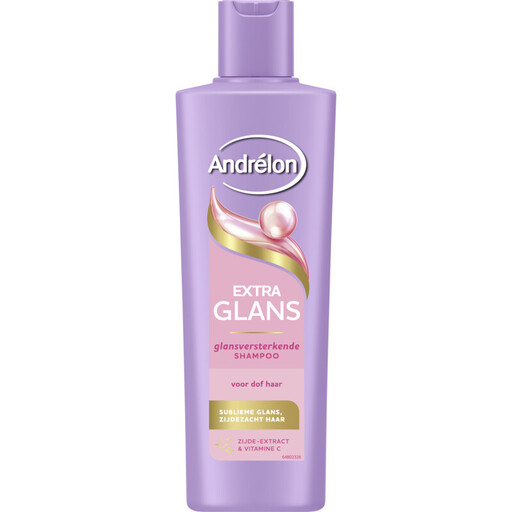
Why it suits this profile: An accessible choice for dull hair when you are looking for a regular shine shampoo for your daily routine.
The product description clearly states the 250 ml size and mentions silk extract and vitamin C. This allows you to compare the product based on its size and formula, rather than on a shine claim alone.
250 ml; intended for dull hair; contains silk amino acids and vitamin C according to the listed ingredients.
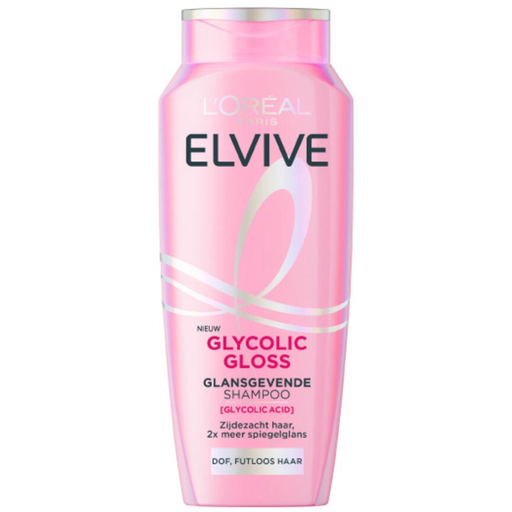
Why it suits this profile: Designed for those who value a sulphate-free formula and a targeted approach to dull, porous hair.
The product information mentions its cleansing properties, sulphate-free formula and 250 ml size. Check the latest ingredients list on the bottle before ordering.
Sulphate-free according to the product description; glycolic acid as the stated ingredient; lightweight texture; 250 ml.
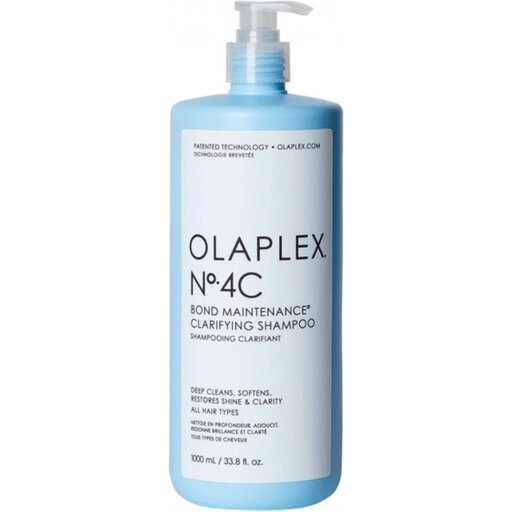
Why it suits this profile: Suitable for users who regularly use pomade, wax, gel or other styling products and are looking for a deep-cleansing shampoo.
Its function is clearly described as clarifying: it is intended to tackle product build-up, minerals and excess oil. Use it as needed rather than automatically at every wash.
Large 1,000 ml bottle; designed for deep cleansing; according to the product information, vegan and free from sulphates and parabens.
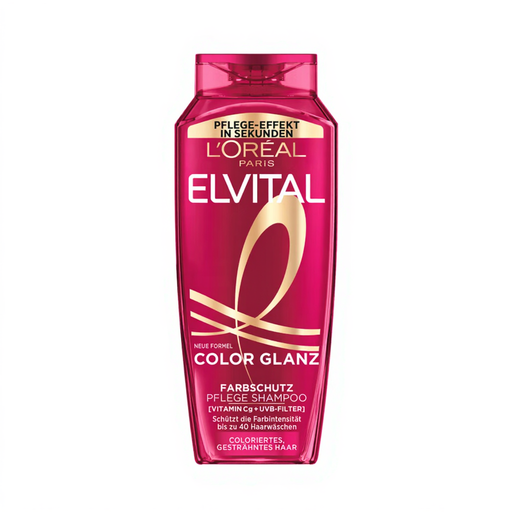
Why it suits this profile: A practical option for anyone who wants to combine shine and colour care in one routine.
The product description identifies its purpose — coloured hair — and mentions vitamin Cg and a UVB filter. Check the packaging for the latest formula and usage instructions.
300 ml; intended for coloured hair; 2-in-1 cleansing and conditioning according to the product information.
We have put together a complete, up-to-date list of products that fully meet these strict selection criteria and the applicable European safety regulations.
Look for a formula specifically described as being for dull hair and use it with conditioner. A shine shampoo can leave the hair feeling smoother, allowing it to reflect light differently. The result varies depending on hair structure, product use and the condition of the hair.
This depends on the instructions on the packaging and the level of colour correction you want. Start cautiously, for example by using it less frequently, and follow the recommended processing time. Silver shampoo is intended for blonde, grey, white or highlighted hair and is not a replacement for a nourishing shampoo at every wash.
Not always. A clarifying shampoo can be useful if you use lots of styling products or have a scalp that becomes oily quickly, but dry, frizzy or coloured hair may benefit from less frequent use. If needed, alternate it with a gentle or nourishing shampoo and monitor how your hair and scalp respond.
