
Vandaag of morgen in huis

Kwaliteit gegarandeerd

Welkomstaanbiedingen ontgrendelen: GRATIS bezorging | Tot 80% korting | Gratis 30 dagen JoyPlus-proefperiode
Download de app
Buying a new shampoo seems simple, until you have to choose between terms such as “repair”, “bond care”, “anti-hair loss” and “hydrating”. The right choice depends on more than just your hair type. The condition of your scalp, the ingredients list, the amount of product and how often you wash your hair all determine whether a product is right for you.
The most common purchasing mistakes:
For dry or damaged hair, a shampoo for damaged hair containing conditioning ingredients, proteins or oils is a logical choice. For fine hair, a formula containing lots of silicones or heavy oils can instead leave it feeling limp. A volumising shampoo may be more practical, although the effect will still depend on your hair structure and styling routine.
A dry or itchy scalp requires a different approach from simply having dry hair through the lengths. Look for products specifically described as being suitable for the scalp, such as a shampoo for dry scalp. If itching, flaking or noticeable hair loss persists, it is sensible to seek medical advice. A cosmetic product is not a substitute for diagnosis or treatment.
Sulphates such as sodium laureth sulphate or sodium lauryl sulphate cleanse thoroughly and create plenty of lather. This can be useful if you have an oily scalp, use lots of styling products or exercise regularly. For dry, coloured or fragile hair, some users prefer a sulphate-free shampoo with milder cleansing agents.
Please note: “sulphate-free” does not automatically mean that a shampoo will be gentler for everyone. Fragrances, essential oils and certain preservatives may also be relevant if you have sensitivities. Always check the current ingredients list on the packaging.
A 250 to 440 ml bottle is suitable for trying out a formula first. For families, hairdressers and salon professionals, packs of 1,000 ml or more may be more efficient. When comparing products, consider:
A professional shampoo is not automatically suitable for every scalp. The term often refers to the salon positioning or the larger packaging. Always compare the formula and intended use.
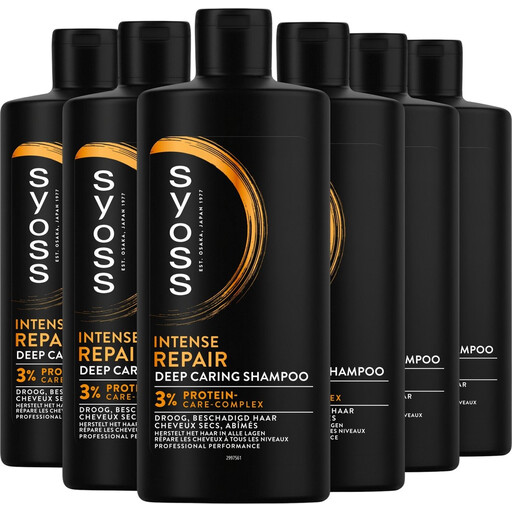
Why it suits this profile: The multipack contains six 440 ml bottles, making it practical for a household or regular use. According to the product description, the formula is designed for dry and damaged hair.
The total volume is clearly stated, so you can compare the price per millilitre instead of looking only at the promotional price.
2,640 ml in total, six dispensers and amino acids according to the product information; not sulphate-free.
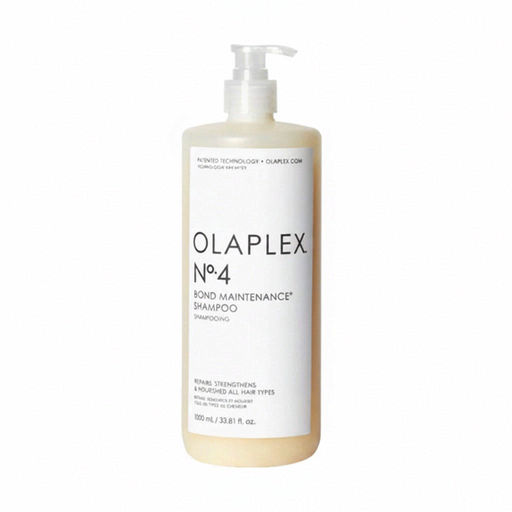
Why it suits this profile: According to the product description, this bond repair shampoo is colour-safe and sulphate-free. That makes it suitable for people with coloured, chemically treated or fragile hair.
The product information states both its intended use and its sulphate-free formula. Check the packaging for the current ingredients list.
1,000 ml capacity, a sulphate-free composition according to the product description and suitable for coloured hair.
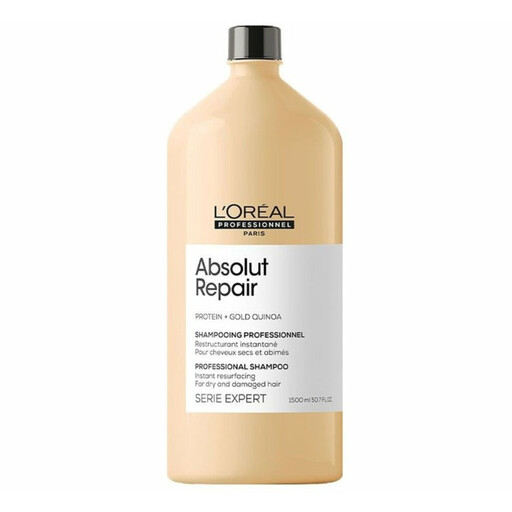
Why it suits this profile: The salon-size bottle is designed for long-term use and is linked to damaged or chemically treated hair in the product information.
The specifications state 1,500 ml, usage instructions and ingredients. The formula is not sulphate-free, which helps avoid creating the wrong expectation.
Large 1,500 ml bottle with golden quinoa and proteins according to the product description.
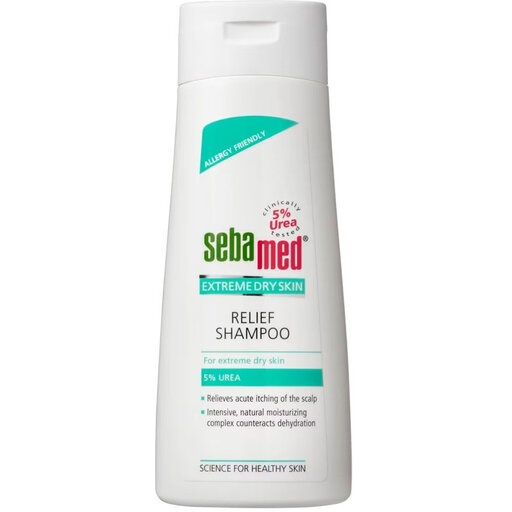
Why it suits this profile: The product details identify dry and allergic skin as the target audience. The 200 ml bottle is suitable for trying it on a smaller scale first.
The smaller size limits waste if you are not yet sure how your scalp will react to the formula.
200 ml capacity and 5% urea according to the product name; check the current packaging and ingredients list.
We have compiled a complete, up-to-date list of products that fully meet these strict selection criteria and the applicable European safety regulations.
Choose a repairing shampoo with caring ingredients such as proteins, keratin or oils if your hair is dry, brittle or chemically treated. Do not automatically choose the heaviest formula: fine hair can feel limp more quickly. A conditioner for the lengths can help make your hair easier to comb through.
No. An anti-hair-loss shampoo cleanses the scalp and, according to the product description, may contain ingredients such as caffeine, peptides or piroctone olamine. Claims about reduced hair loss or increased hair growth should be understood as brand communication, not as a guaranteed effect. If you experience sudden or persistent hair loss, it is advisable to consult your GP.
Check the use-by date, batch code and period-after-opening symbol on the packaging. Store shampoo closed, in a dry place and away from direct sunlight. A large bottle is only good value if you can use it within the stated period.
