
Vandaag of morgen in huis

Kwaliteit gegarandeerd

Welkomstaanbiedingen ontgrendelen: GRATIS bezorging | Tot 80% korting | Gratis 30 dagen JoyPlus-proefperiode
Download de app
Buying a new shampoo sounds simple, until you have to choose between anti-dandruff, volumising, repairing, colour-protecting, daily care and anti-hair-loss shampoos. Marketing copy often makes broad promises, while the result mainly depends on your hair structure, scalp and washing routine.
So watch out for these three common pitfalls:
For an oily scalp, cleansing ingredients and a lightweight formula are often more important than a rich, conditioner-like composition. A shampoo for a dry scalp should not feel unnecessarily drying. A product for dry and damaged hair will generally focus on softness, smoothness and helping to reduce breakage.
If flakes are your main concern, look for an anti-dandruff shampoo with a clearly stated active ingredient, such as piroctone olamine. According to Head & Shoulders product information, some formulas contain this ingredient to tackle visible dandruff. This is a cosmetic product and not a substitute for medical advice. If itching, redness or severe scalp irritation persists, it is advisable to speak to your GP.
A sulphate-free shampoo may be preferable for coloured, dry or sensitive hair, but sulphates are not automatically unsuitable. They often provide a powerful cleansing and foaming effect. For example, Olaplex N°4 Bond Maintenance Shampoo states that its formula is sulphate-free and suitable for coloured hair. Always check the packaging, as ingredients lists can change.
Look out for these common categories:
For shampoo for daily use, a formula that feels pleasant with regular washing is more important than a long list of promises. Generally, use a small amount and apply the shampoo mainly to the scalp. The lengths are usually cleaned sufficiently as the product is rinsed out.
A 250 to 300 ml bottle is useful for trying a product first. For families, hairdressers and salons, a 1,000 ml professional shampoo or a value pack may make more sense. Compare the price per 100 ml and check whether a pump, refill or suitable storage solution is included.
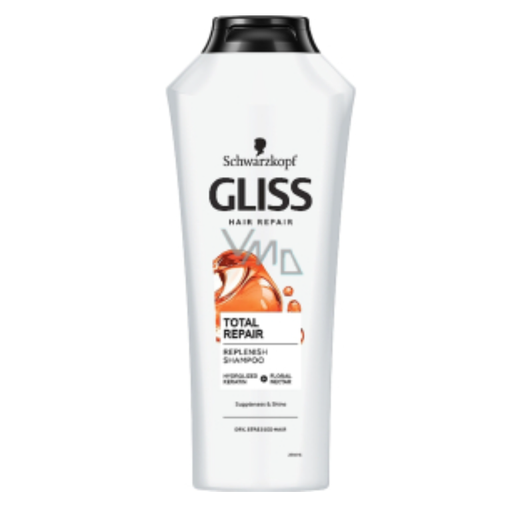
Why it suits this profile: An accessible size for trying a repairing shampoo for dry and damaged hair without immediately buying a large supply.
The product description clearly focuses on dry and damaged hair, making you less likely to choose a general formula for a specific need.
With liquid keratin complex, proteins and vitamins according to the product information; 250 ml capacity.
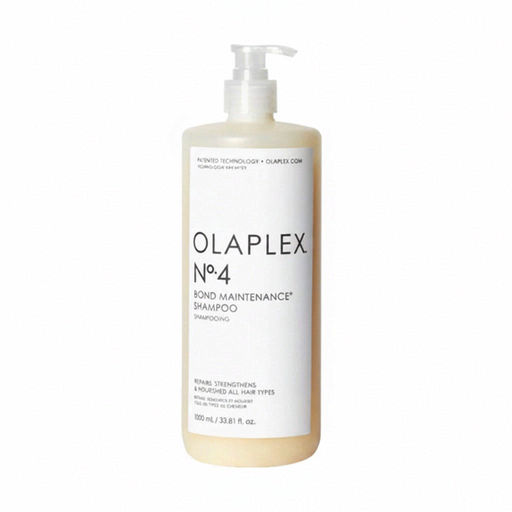
Why it suits this profile: A salon-size bottle for those who wash regularly, have coloured hair or are looking for a sulphate-free formula.
The product information explicitly states that it is sulphate-free and colour-safe; check the current packaging before ordering.
1,000 ml capacity; according to the ingredients list, it contains glycerine, panthenol and bis-aminopropyl diglycol dimaleate, among other ingredients.
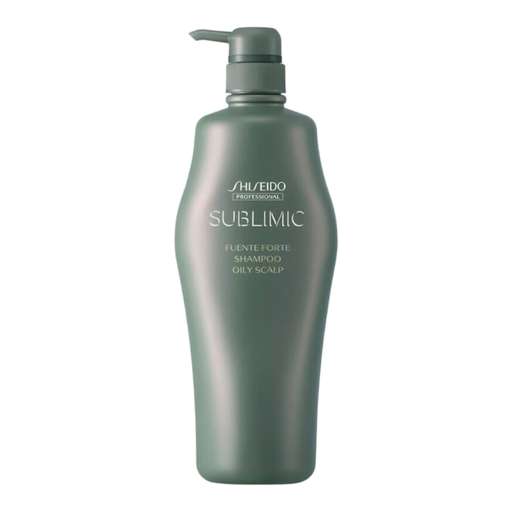
Why it suits this profile: Suitable for shoppers specifically looking for shampoo for an oily scalp, as well as a large size for use at home or in a salon.
This variant is specifically described as being for an oily scalp and as removing excess oil; the directions recommend massaging it in for three minutes.
1,000 ml capacity; the product description mentions a fresh, lightweight finish and a green, herbal fragrance.
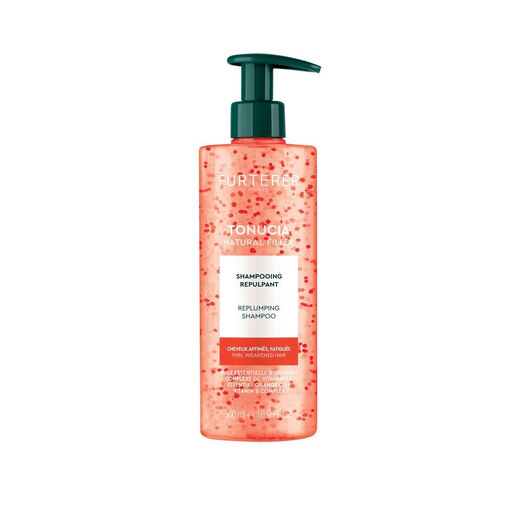
Why it suits this profile: For anyone who wants to cleanse fine, lacklustre or thinning hair daily with a formula that, according to the product description, focuses on hydration and volume.
The target audience is clearly defined as people with fine, tired-looking or thinning hair, rather than making a general promise for every hair type.
500 ml capacity; according to the product information, 90% of the ingredients are of natural origin and the formula is suitable for frequent daily use.
We have put together a complete, up-to-date list of products that fully meet these strict selection criteria and the applicable European safety regulations.
Choose a formula specifically developed for dry or damaged hair and look for hydrating and conditioning ingredients such as glycerine, panthenol, proteins or keratin. Also use conditioner on the lengths. A shampoo for an oily scalp may cleanse dry hair too aggressively.
This depends on sebum production, exercise, styling products and your personal preference. Shampoo for daily use can be practical if you wash your hair frequently. Apply the product mainly to the scalp and rinse thoroughly. If you have a dry scalp, washing less often or alternating with a milder formula may feel more comfortable.
An anti-hair-loss shampoo cleanses the scalp and may contain ingredients such as caffeine, biotin or peptides, according to the product description. Brand claims about reduced hair loss or improved hair growth should not be treated as a guaranteed result. Hair loss can have many causes. If hair loss is sudden or persistent, seeking medical advice is more sensible than simply changing your shampoo.
