
Vandaag of morgen in huis

Kwaliteit gegarandeerd

Welkomstaanbiedingen ontgrendelen: GRATIS bezorging | Tot 80% korting | Gratis 30 dagen JoyPlus-proefperiode
Download de app
Shampoo may seem like a simple product, but you quickly notice the difference between a formula that suits you and one that does not. An oily scalp can feel heavy after using a rich shampoo, while dry hair may feel tight or coarse after a strongly cleansing formula. Large value packs can also look appealing, but prove inconvenient when the formula is not suitable for everyone in the household.
The main pitfalls when buying shampoo are:
Start with the main problem you want to address. Only then choose a brand, fragrance or pack size.
Cosmetics list their INCI ingredients in descending order of quantity. Cleansing agents such as sodium laureth sulfate, sodium lauryl sulfate or milder surfactants partly determine how strongly a shampoo cleanses. This does not automatically make an ingredient good or bad: your scalp, washing frequency and hair treatment determine what works best for you.
If you wash your hair every day, a milder formula may be beneficial. If you use a lot of styling products or have a scalp that becomes oily quickly, a more thorough cleansing shampoo may be a better choice.
A mildly acidic formula may be compatible with the skin’s natural acid mantle. Peptide 132 Hair Bonding Shampoo, for example, states that it has a mildly acidic pH and contains ingredients such as Zinc PCA, piroctone olamine and caffeine. According to the product description, the shampoo is intended for damaged, sensitive or oily hair, among other concerns. Always check the current packaging if a specific pH value is important to you.
Fragrance is not a measure of quality. If you are prone to sensitivities, it is worth checking for fragrances and allergens such as limonene, linalool or geraniol.
Do not compare only the price of the bottle; also compare the price per 100 ml. A 1,000 or 1,500 ml bottle is appealing for families, hairdressers and salon professionals, but requires a sturdy pump or a practical place to dispense it. A multipack of six bottles takes up more storage space, but avoids the need to reorder mid-way through your supply.
Also check the period after opening. Syoss Repair, for example, states a usage period of 6 months after opening in the product information. The final information on the packaging takes precedence.
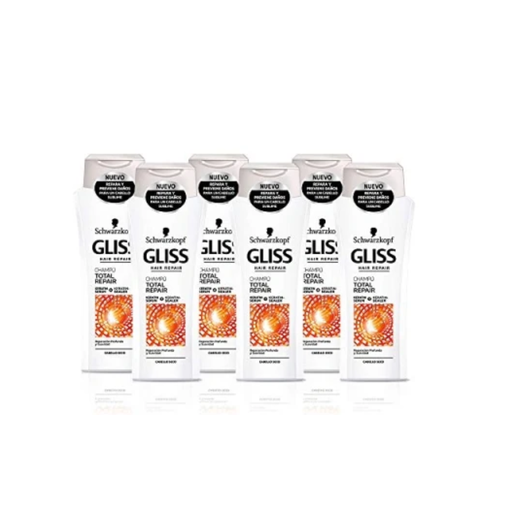
Why it suits this profile: Six 250 ml bottles are practical for a household that regularly uses shampoo for dry or damaged hair.
The total volume and number of bottles are clearly stated, making it easier to estimate your supply and cost per use.
250 ml per bottle; according to the product description, with hydrolysed keratin and flower nectar for dry and damaged hair.
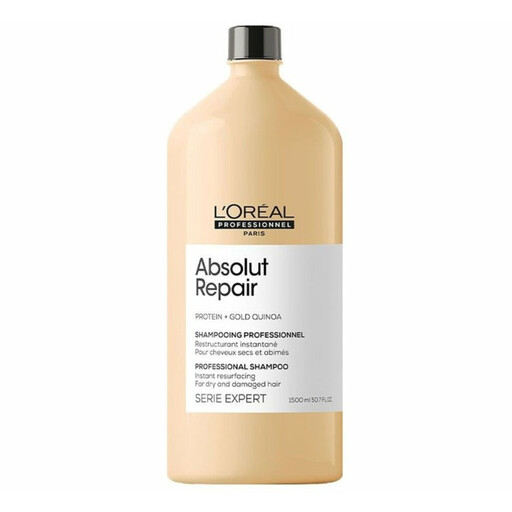
Why it suits this profile: The salon-size bottle is designed for intensive hair care at home, in a hair salon or in a larger household.
The 1,500 ml volume makes it clear that this is not an ordinary travel or trial-size bottle; placement and dispensing require some thought.
Salon size; according to the product description, with golden quinoa and proteins for damaged hair.
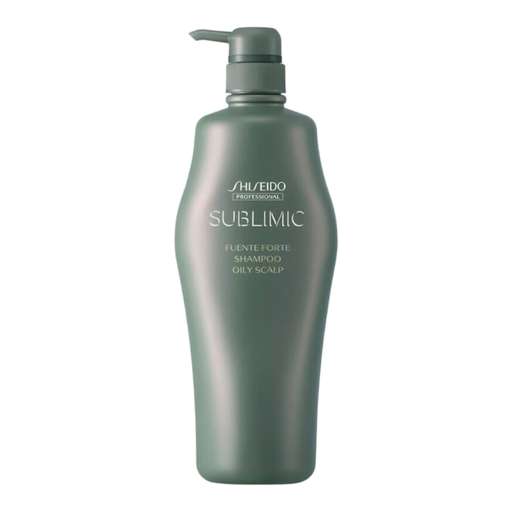
Why it suits this profile: Suitable for users looking for a large bottle and specifically wanting to cleanse an oily or quickly greasy scalp.
The variant name makes its main purpose clear. This reduces the risk of accidentally choosing a formula for a dry scalp.
1,000 ml volume; according to the product description, intended to remove excess oil and leave hair feeling lightweight.
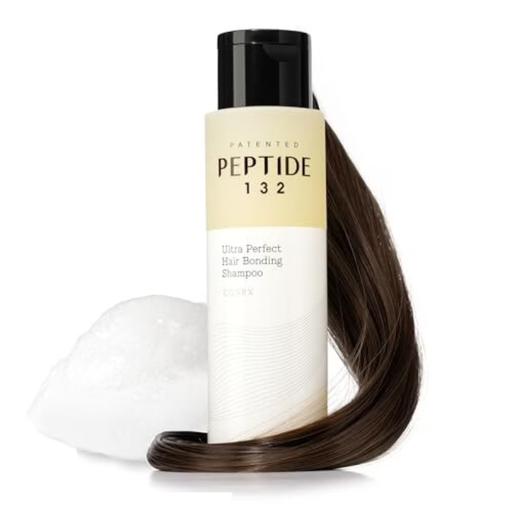
Why it suits this profile: An option for anyone who wants to combine cleansing with care for damaged hair, an oily scalp or flakes.
The product information lists several active ingredients and a mildly acidic pH, allowing you to compare the formula more precisely.
According to the ingredients list, it contains piroctone olamine, Zinc PCA, caffeine and peptide-132, among other ingredients.
We have put together a complete, up-to-date list of products that fully meet these strict selection criteria and the applicable European safety regulations.
That depends on your scalp, perspiration, styling products and hair texture. An oily scalp may need washing more often than dry or curly hair. Concentrate the shampoo on your scalp and allow the lather to run through the lengths. Rinse thoroughly and follow the instructions on the label.
Check the open-jar symbol on the packaging, for example 6M or 12M. This indicates how many months the product is intended to be used for after opening. Keep the bottle closed and store it in a dry place away from direct sunlight.
According to a brand, a shampoo may be designed to target hair breakage, care for the scalp or help maintain visibly fuller-looking hair. This is not the same as medical treatment for hair loss. If you experience sudden, noticeable or persistent hair loss, it is advisable to consult a GP or another healthcare professional.
