
Vandaag of morgen in huis

Kwaliteit gegarandeerd

Welkomstaanbiedingen ontgrendelen: GRATIS bezorging | Tot 80% korting | Gratis 30 dagen JoyPlus-proefperiode
Download de app
Dryness, frizz, dandruff or hair that quickly becomes greasy: choosing the right shampoo and hair care does not start with a striking promise on the front of the packaging. It depends on the combination of your scalp, hair lengths, washing frequency and styling routine.
Many consumers pay more than necessary because of three common pitfalls:
Your scalp usually determines how often you need to wash your hair. If you have an oily scalp, a lightweight daily shampoo may be more practical. According to the product information, Andrelon Shampoo Everyday contains sunflower oil and is intended for gentle daily cleansing of the hair and scalp.
For dry or damaged lengths, ingredients such as glycerine, oils, proteins or conditioning polymers are relevant. A shampoo for damaged hair cannot permanently repair split ends, but it can make your hair feel smoother. You should also use a conditioner or hair mask for extra care.
Sulphates are cleansing ingredients that create lather and a clean feeling. That does not automatically make them unsuitable, but a milder formula may feel more comfortable on a sensitive or dry scalp. According to the product description, Andrelon Pro Nature Shea Shampoo contains 0% sulphates and silicones and 94% ingredients of natural origin.
However, note the difference between “of natural origin” and “100% natural”. Always check the current ingredients list on the packaging. A natural shampoo may still contain perfume or fragrance allergens. For example, coumarin is listed in the shea formula.
An anti-dandruff shampoo is intended for a different routine from a silver shampoo. According to the product information, L’Oréal Serie Expert Silver Shampoo contains violet pigments for grey, white and light blonde hair. Do not leave this type of product on for longer than stated on the packaging, as the pigments may otherwise become more visible.
Extra care is needed with shampoos for hair loss. According to the product description, cosmetic products may help maintain hair or care for the scalp and hair, but they are not a treatment for medical hair loss. Consult your GP or a dermatologist if you experience sudden or persistent hair loss.
Shampoo mainly cleanses the scalp and hair. Conditioner is generally used on the lengths and ends to make the hair easier to comb through. A hair mask is usually richer and may be suitable once or twice a week, for example for dry, damaged or frizzy hair.
If you have curly hair, look for a hydrating formula and a styling routine that does not put unnecessary strain on your curls. According to the product information, Andrelon Pro Nature Coconut Shampoo was developed for curly hair, contains coconut oil and states that it contains 0% sulphates and silicones.
When blow-drying, wattage, temperature settings, speeds and attachments are particularly important. A hairdryer with a diffuser distributes the airflow more widely, making it practical for curly hair. A concentrator directs the air at a smaller section of hair. Brands often associate ionic functions with reduced static; consider this a product feature rather than a guaranteed result.
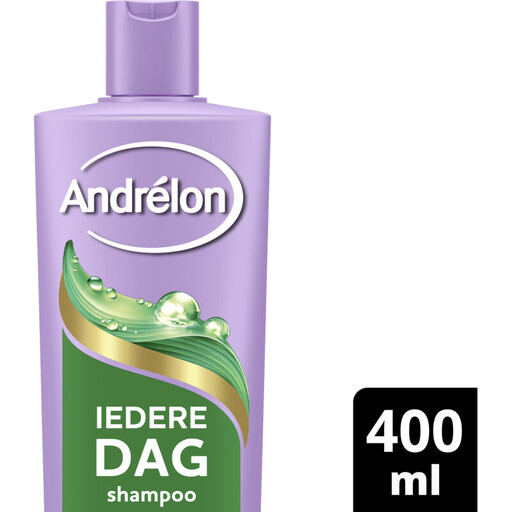
Why it suits this profile: A straightforward choice for adults looking for a shampoo for daily use without a complicated routine.
The application and target group are clearly described: gentle cleansing of the hair and scalp. However, the ingredients list does contain sulphates and perfume, which is important to note if you have a sensitive scalp.
400 ml contents, suitable for all hair types according to the product specification and enriched with sunflower oil.
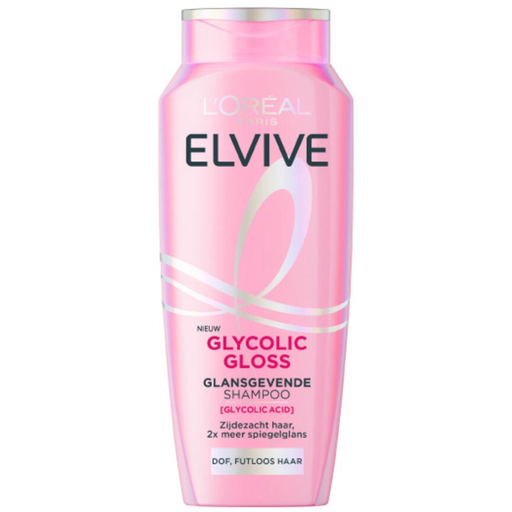
Why it suits this profile: Suitable for anyone looking to care for dull, porous hair and who values a sulphate-free formula.
The product description explicitly mentions a lightweight texture and a sulphate-free formula. According to L'Oréal’s own research, the formula delivers more shine; this still depends on hair condition and usage.
250 ml contents, glycolic acid as a named ingredient and suitable for both curly and straight hair according to the product information.
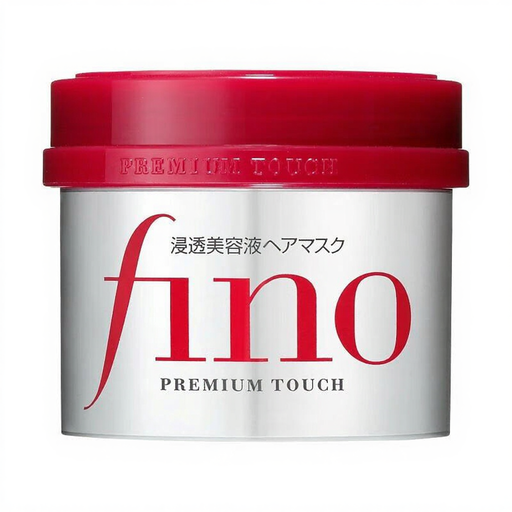
Why it suits this profile: A hair mask for anyone who colours their hair regularly, uses styling tools or struggles with dry, frizzy lengths.
The instructions are clear: use once or twice a week instead of conditioner. The packaging states that it contains silicones; if you prefer to avoid them, another formula may be a better choice.
230 g contents, intended for dry, damaged and frizzy hair, with a usage warning regarding eye contact.
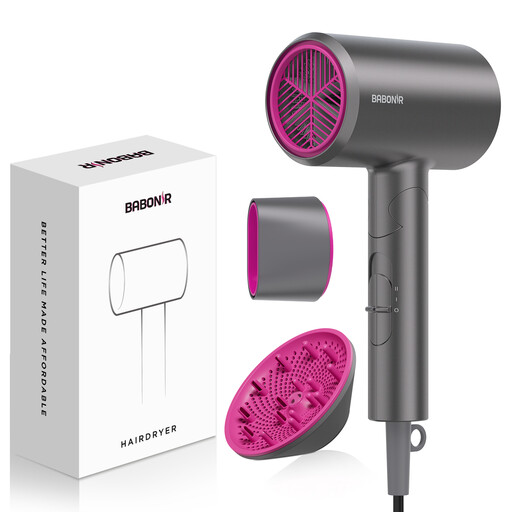
Why it suits this profile: Handy for use at home, travelling and styling curls when a diffuser is preferred.
You do not have to focus on wattage alone: this model lists three heat settings, two speeds, as well as a diffuser and concentrator.
1800 W power, foldable design, weight of 330 g and a diffuser for a broader airflow.
We have put together a complete, up-to-date list of products that fully meet these strict selection criteria and the applicable European safety regulations.
That depends on your scalp, perspiration, styling products and hair structure. An oily scalp may require more frequent washing, while dry or curly hair often needs less. Apply shampoo mainly to the scalp and let the lather run through the lengths. Apply conditioner primarily to the lengths and ends.
No. A sulphate-free shampoo can feel comfortable if you have dry hair, curls or a sensitive scalp, but whether it is “better” depends on your preferences and how you use it. Sulphates cleanse effectively and may be suitable if you use a lot of styling products. Check the full ingredients list and stop using the product if irritation occurs.
That depends on the amount of product, hair length and washing frequency. Pay attention to the period after opening, often shown by an open jar symbol and, for example, “12M”. Store products in a cool, dry place, close the packaging properly and do not use a product if its smell, colour or texture has changed.
