
Vandaag of morgen in huis

Kwaliteit gegarandeerd

Welkomstaanbiedingen ontgrendelen: GRATIS bezorging | Tot 80% korting | Gratis 30 dagen JoyPlus-proefperiode
Download de app
Buying a new shampoo seems straightforward—until you have to choose from dozens of formulas for dry, oily, curly or damaged hair. Marketing terms such as “repairing”, “strengthening” and “anti-hair-loss” sound appealing, but they do not always tell you exactly what you are buying. The right choice therefore starts with your scalp, hair lengths, ingredient list and intended use.
According to a product description, a shampoo may help hair look smoother, softer or fuller. That is different from a permanent change or medical effect. Claims about hair loss, growth or repair are also brand claims. According to product information from some brands, certain formulas are designed to help reduce hair breakage or hair loss, but they should not be viewed as a medical treatment.
If hair loss, itching or scalp irritation persists, seeking advice from a GP or dermatologist is more sensible than simply switching to another shampoo.
A sulfate-free shampoo can be a comfortable choice for people looking for gentler cleansing or wanting to care for curls and colour-treated hair. However, sulfate-free does not automatically mean that a formula is suitable for every scalp. Fragrances, plant extracts and preservatives can also cause irritation in some people.
Always check the current ingredient list on the packaging. Brands note that formulations may be updated regularly.
A 1,500 ml bottle may seem economical, but it is not practical for everyone. A large salon-size bottle takes up more space and may not include a pump. For occasional use, travel or trying out a new formula, 250 to 400 ml is often more convenient. Compare the price per 100 ml rather than looking only at the total price.
For dry hair, look for ingredients such as glycerin, oils, shea butter, coconut oil or conditioning agents. A moisturising shampoo is designed to leave hair feeling softer and the lengths less coarse. For damaged hair, formulas containing proteins, amino acids or keratin-like ingredients are popular.
Keep in mind that a rich formula can weigh down fine hair. Apply shampoo mainly to the scalp and allow the lather to run through the lengths as you rinse. A conditioner or hair mask can provide more direct care for the lengths than using an excessive amount of shampoo.
Curls often benefit from a formula that does not strip away too much of the hair’s natural oils. A shampoo for curly hair containing coconut oil or other conditioning ingredients can help leave hair feeling supple. According to the product description, Andrelon Pro Nature Coco Curl Creation is designed to provide hydration and care while helping to reduce frizz.
Check whether the formula contains sulfates and silicones if that is important to your hair-care routine. The Andrelon Pro Nature range states that it contains 0% sulfates and silicones; check the packaging for the latest information.
With an oily scalp, effective cleansing is more important than an intensely nourishing formula. Gently massage a small amount of shampoo for oily hair into the scalp and rinse thoroughly. A formula containing menthol or ginseng may provide a fresh sensation according to the product description, but a cooling feeling does not automatically mean that sebum production will change permanently.
Wash your hair as often as necessary for comfort and hygiene. Avoid vigorous scrubbing, as this can place unnecessary stress on the scalp.
An anti-dandruff shampoo is intended for visible flakes and an unsettled scalp. Head & Shoulders lists piroctone olamine as an active ingredient and claims to protect against dandruff with regular use. This is a statement from the brand’s product information, not a universal guarantee.
Follow the instructions on the packaging. If flaking, redness or itching persists, do not continue trying different cosmetic products indefinitely; seek professional medical advice instead.
Hair type and scalp
Check whether the shampoo is intended for dry, normal, oily, curly or damaged hair. A product designed for the scalp does not necessarily have the same properties as a treatment for dry lengths.
Ingredients and allergens
Check fragrances, plant extracts, sulfates, silicones and proteins. If you are sensitive to perfume or certain allergens, read the complete INCI list carefully. For example, Andrelon Everyday lists, among other ingredients, parfum, linalool and citrus aurantium peel oil.
Size, packaging and use
Compare 250 ml, 400 ml, 550 ml and 1,500 ml salon sizes. Also check for a pump, a securely closing cap and the expiry or PAO information—such as “12M”—on the packaging. Use shampoo externally only and avoid contact with the eyes.
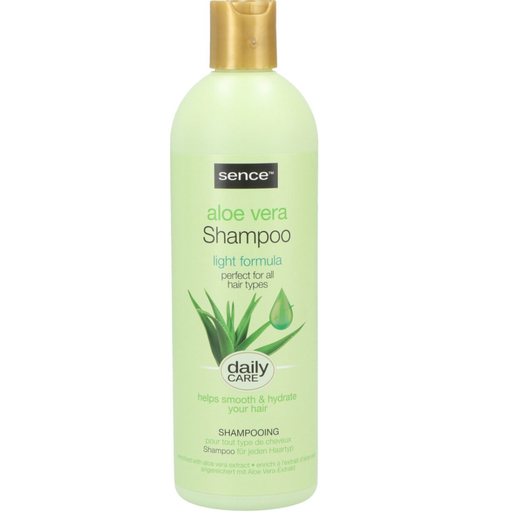
Why it is a good fit: A straightforward choice for adults looking for a shampoo for dry or damaged hair without immediately committing to a large salon-size bottle. The bottle contains 400 ml.
The product description mentions aloe vera and hydration, but does not promise a medical effect. Check the packaging and ingredients before buying.
400 ml capacity and a formula that, according to the product information, is designed for dry and damaged hair.
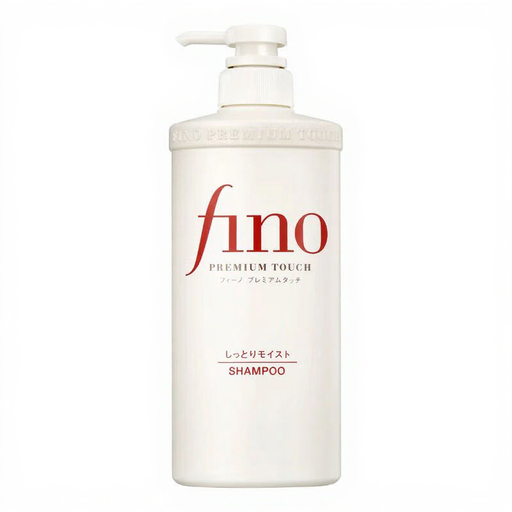
Why it is a good fit: Suitable for anyone prioritising hydration, shine and damaged lengths. The bottle contains 550 ml and, according to the product details, comes with a pump dispenser.
The formula contains, among other ingredients, sodium laureth sulfate, parfum and silicones. This makes it important to check whether they align with your personal preferences.
550 ml capacity, pump packaging and a product description focused on hydration, strengthening and repair.
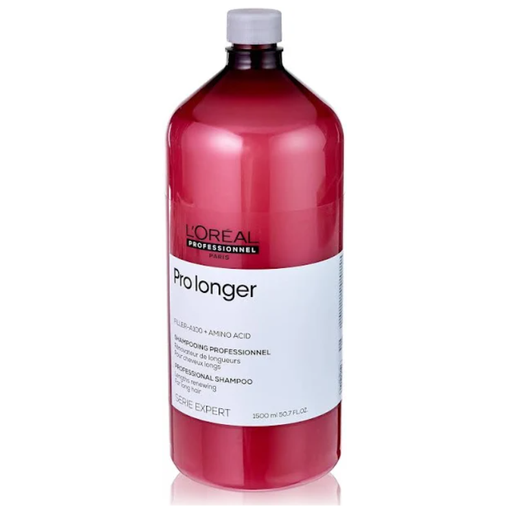
Why it is a good fit: A professional shampoo in a large format for long or damaged lengths and households where hair is washed frequently.
The bottle is large and does not include a pump. Check whether the packaging is practical for your bathroom.
1,500 ml capacity and a product description aimed at fine, weakened lengths and ends.
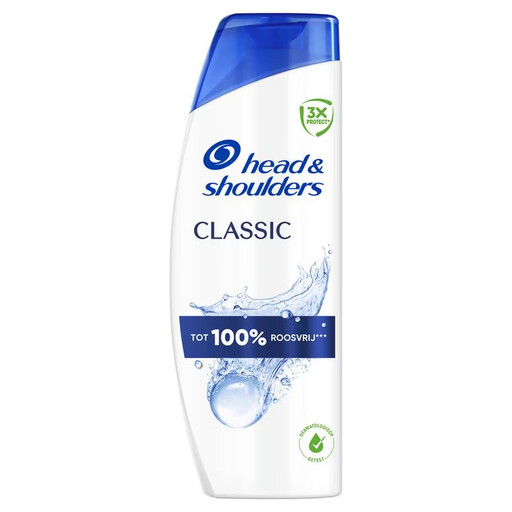
Why it is a good fit: A compact size for anyone wanting to try an anti-dandruff shampoo, take it travelling or avoid buying a large bottle straight away.
The dandruff-protection claims come from Head & Shoulders’ product information. Discontinue use if irritation occurs and follow the instructions on the packaging.
95 ml capacity and piroctone olamine listed among the ingredients.
Browse the current head-shampoo range and compare formulas, sizes and intended uses before placing your order.
First, wet your hair thoroughly and use a small amount. Massage mainly into the scalp with your fingertips, then rinse well. If you have used a lot of styling product or have an oily scalp, a second small wash may be appropriate. Apply conditioner primarily to the lengths and ends.
A shampoo for daily use does not necessarily need to be used every day. The right frequency depends on sebum production, exercise, styling products and personal preference. After several washes, pay attention to comfort, ease of combing and any tight or strained feeling.
It depends on your scalp and lifestyle. An oily scalp or frequent exercise may require more frequent washing, while dry or curly hair may only need washing less often. Choose a formula that does not leave a persistent tight or irritated feeling after rinsing.
Not necessarily. Sulfate-free formulas use different cleansing agents, but fragrances and botanical ingredients can also cause sensitivity. Read the complete ingredient list and pay attention to how your own hair and scalp respond to the product.
Replace your shampoo when the expiry or PAO information indicates that you should, when its scent or texture changes, or if the product causes irritation. Keep the bottle closed, dry and out of direct sunlight, and always follow the instructions on the packaging.
