
Vandaag of morgen in huis

Kwaliteit gegarandeerd

Welkomstaanbiedingen ontgrendelen: GRATIS bezorging | Tot 80% korting | Gratis 30 dagen JoyPlus-proefperiode
Download de app
Buying a new shampoo seems simple, but products vary considerably in ingredients, size and intended use. A formula for oily hair can leave dry hair feeling uncomfortable, while a rich shampoo for damaged hair may weigh fine hair down. Terms such as “repairing”, “hydrating” and “professional shampoo” only mean something once you have checked the product details.
Pay particular attention to these three common pitfalls:
Start by distinguishing between your scalp and your lengths. Your scalp often determines how thoroughly you want to cleanse, while your lengths determine how much conditioning they need.
A small 250 to 300 ml bottle is handy for trying out a formula or taking it with you. For families, hairdressers and people with long hair, a larger pack may be more appealing. For example, the L'Oréal Paris LP SE21 Repairing Shampoo contains 1,500 ml. This is a salon size, but make sure you have enough storage space and check whether the packaging is practical to dispense.
Do not compare millilitres alone. A highly concentrated formula may require less product per wash than a runny shampoo. The directions for use and your own washing routine are therefore more important than the bottle size by itself.
Sulphates such as Sodium Laureth Sulfate and Sodium Lauryl Sulfate provide cleansing and foam. That does not automatically mean a product is unsuitable, but some users prefer a sulphate-free shampoo, for example as part of a sensitive routine or when they want a gentler cleanse.
Silicones such as dimethicone can make hair feel smoother. If you prefer a lightweight feel, you may wish to consider a silicone-free formula instead. Also check fragrance ingredients such as limonene, linalool or geraniol if you have previously reacted sensitively to fragrances. The ingredients list on the packaging is the definitive source, as brands may change their formulations.
Read terms such as “hydrates”, “strengthens” and “anti-hair loss” critically. Shampoo is rinsed out, so it is not the same as a leave-in treatment. With anti-hair-loss products, the focus is often on cleansing and caring for the scalp and hair; do not draw a medical conclusion from this. According to the stated product information, Some By Mi Cica Peptide Anti Hair Loss Derma Scalp Shampoo contains ingredients including peptides, biotin, panthenol and salicylic acid. The claim about reducing hair loss comes from the brand description and is not equivalent to a proven treatment.
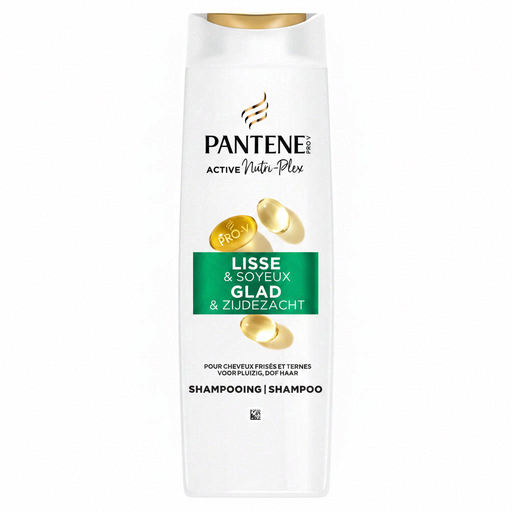
Why it suits this profile: The 400 ml size is practical for daily use, and the formula is designed to leave hair smoother and less frizzy.
The product information states that the shampoo is silicone-free. Check the current ingredients list on the packaging before ordering.
400 ml; silicone-free according to the product information and suitable for daily use.
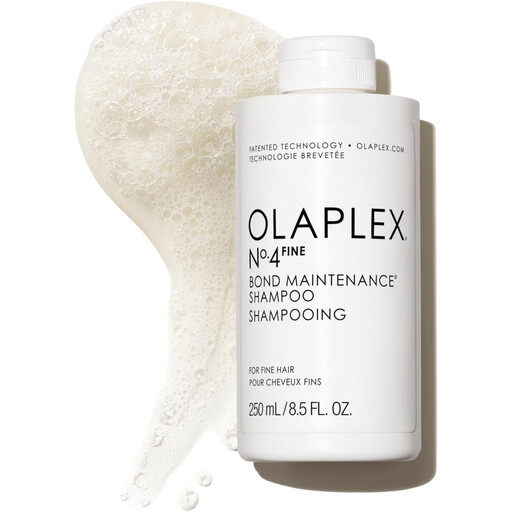
Why it suits this profile: A compact formula for anyone who wants to wash coloured or chemically treated hair and prefers a smaller size.
The product information mentions gentle cleansing, colour safety and suitability for chemically treated hair. This is not a guarantee of the same result for every user.
250 ml; vegan according to the product information; suitable for coloured and chemically treated hair.
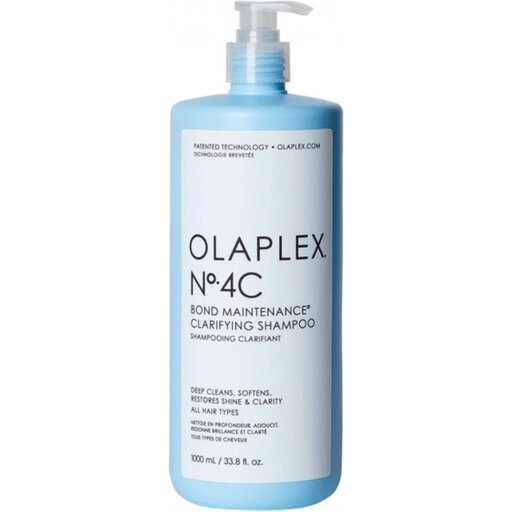
Why it suits this profile: The litre-sized bottle is suitable for intensive use, households with multiple users or a salon routine.
Use a clarifying shampoo specifically for product build-up or mineral residue, not automatically with every wash. Follow the instructions on the packaging.
1,000 ml; developed for deep cleansing; sulphate- and paraben-free according to the product information.
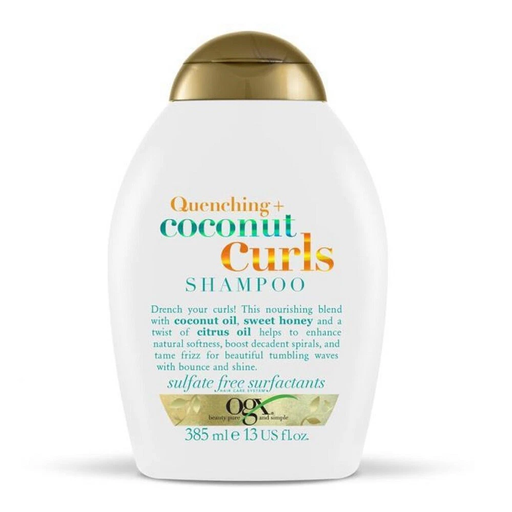
Why it suits this profile: The product description focuses on defining curls and creating a smoother, more resilient feel.
The formula specifies a sulphate-free surfactant system and suitability for coloured hair. Always check the current packaging if the ingredients have changed.
385 ml; with coconut oil, honey and citrus oil according to the product information; designed for curly hair.
We have put together a complete, up-to-date list of products that fully meet these strict selection criteria and the applicable European safety regulations.
Use a small amount and distribute it over your wet scalp first. Massage with your fingertips without scratching vigorously. Let the lather run through the lengths; vigorous rubbing is usually not necessary there. Rinse thoroughly and apply conditioner to the lengths if they feel dry or tangled.
A clarifying shampoo is primarily intended for occasional deep cleansing. Silver shampoo can temporarily affect colour tones, but leaving it on for too long may create an uneven shade. If in doubt, test a small amount first and follow the product packaging.
Store a large bottle upright and check the expiry information and batch number on the packaging. Stop using the product if irritation occurs and avoid contact with the eyes. If scalp problems persist, a doctor or pharmacist is a more appropriate point of contact than a cosmetic shampoo.
That depends on your scalp, hair length, sporting activities and styling products. An oily scalp may require more frequent washing than dry or curly hair. Choose a formula that leaves your hair feeling clean after washing without making the lengths feel stiff.
Not necessarily. Sulphate-free formulas use different cleansers, but the overall composition and fragrance ingredients also influence how a product feels. Check the full ingredients list and pay attention to your own reaction.
Check the packaging for the expiry date or the period after opening, often shown by an open-jar symbol. Store shampoo according to the instructions and look out for changes in smell, colour or texture. If in doubt, it is best not to use the product.
