
Vandaag of morgen in huis

Kwaliteit gegarandeerd

Welkomstaanbiedingen ontgrendelen: GRATIS bezorging | Tot 80% korting | Gratis 30 dagen JoyPlus-proefperiode
Download de app
Choosing a new shampoo may seem straightforward, but eye-catching packaging or a bold promise does not always tell you enough. A large bottle may look like good value, while the formula may not suit your scalp. Terms such as “mild”, “natural” or “for hair loss” should also be considered alongside the ingredients and directions for use.
The three most common pitfalls:
Choose based on your scalp first, and your hair type second. A dry scalp needs a different type of cleansing from a scalp that produces a lot of sebum.
A shampoo for all hair types can be convenient for a household with several users, but “for all hair types” does not automatically mean that the formula will feel comfortable on every scalp.
Sulphates such as sodium laureth sulphate cleanse powerfully and create lather. That is not necessarily a bad thing, but some people prefer sulphate-free shampoo, for example when they have dry or chemically treated hair. Do not just look at the front of the packaging: check the full ingredients list.
Claims such as “clinically proven”, “dermatologically tested” or “up to 100%” also require some nuance. According to the brand’s own research or claims, such results may depend on the test design, how the product is used and how the result is defined. Therefore, do not treat these statements as a guarantee of your personal experience.
Extra care is needed with shampoo for hair loss. A cosmetic product cleanses and conditions the hair, but it is not a substitute for medical advice. Discuss persistent or sudden hair loss with your GP or another qualified healthcare professional.
The size determines how practical and economical your purchase will be.
Also consider the packaging. A pump on a 1000 ml bottle can make dispensing easier, while a small bottle is more suitable for travelling. Store shampoo in a cool, dry place, close the cap securely and follow the information on the label regarding shelf life and the period after opening.
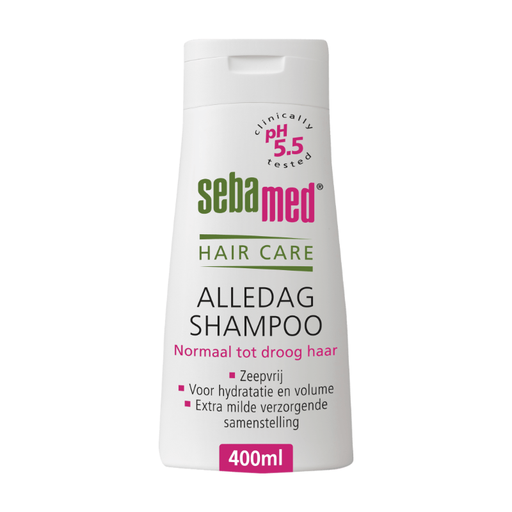
Why it suits this profile: A manageable size for anyone wanting to try an everyday shampoo without immediately buying a large bottle.
The product information lists clear ingredients, safety warnings and directions for use. This means you do not have to rely solely on a marketing claim.
400 ml capacity, decyl glucoside as a cleansing ingredient and suitable for daily use according to the product instructions.
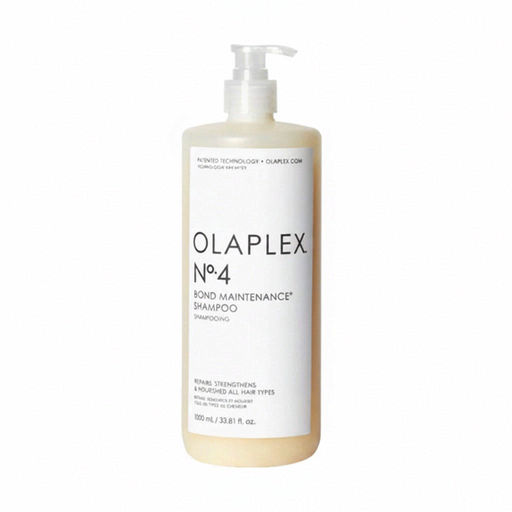
Why it suits this profile: A large bottle for anyone who values a sulphate-free formula and care for chemically treated or damaged hair.
The product description explicitly states “sulfate-free” and provides the full ingredients list. However, always check the packaging when your order arrives.
1000 ml capacity and a cleansing base containing, among other ingredients, sodium lauroyl methyl isethionate, decyl glucoside and amino acid-based ingredients.
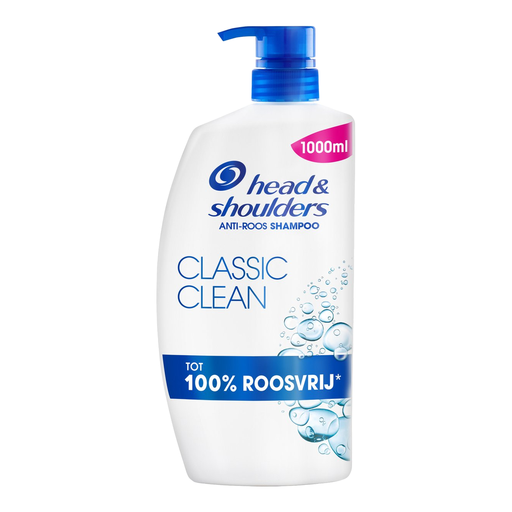
Why it suits this profile: Practical for households or users who regularly use anti-dandruff shampoo and find a pump bottle convenient.
The packaging states that daily use is recommended and specifies the formula, capacity and method of use. The pump helps provide a consistent dose.
1000 ml capacity, pump packaging and piroctone olamine in the ingredients list. Claims about performance come from the manufacturer’s product information.
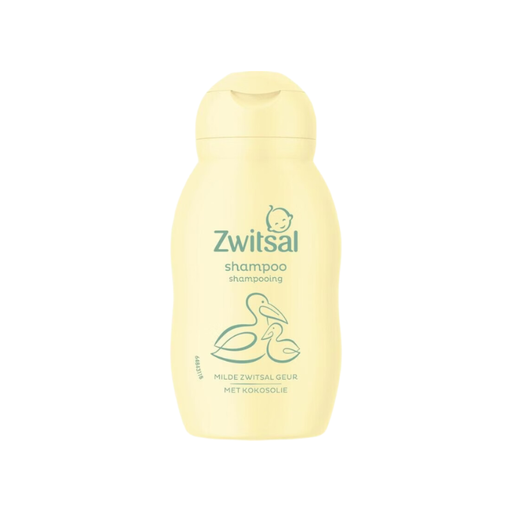
Why it suits this profile: The small size is easy to take on holiday and, according to the product description, is intended for babies’ hair and scalp.
The capacity is clearly stated as 75 ml, so you do not have to take a large bottle with you. If you have allergies, always check the ingredients list.
75 ml travel size, containing, among other ingredients, glycerine, cocamidopropyl betaine and sodium lauroyl glutamate.
We have put together a complete, up-to-date list of products that fully meet these strict selection criteria and the applicable European safety regulations.
Wet your hair thoroughly and use a small amount. Massage your scalp in particular rather than focusing only on the lengths of your hair. Leave anti-dandruff shampoo on only for as long as stated on the label, then rinse thoroughly. With dry or curly hair, it may be sensible to cleanse the lengths less intensively.
If you use shampoo for an oily scalp, pay attention to how it feels after several washes. An extremely clean feeling is not automatically better. Stop using the product if you experience irritation, burning or swelling. For babies and children, follow the age and safety information on the packaging.
An everyday shampoo is mainly suitable when the product description states this and the formula feels comfortable on your scalp. According to their product information, Sebamed Daily Shampoo and various Head & Shoulders products are offered for regular or daily use. The right choice depends on your scalp, ingredient preferences and washing frequency.
Check the use-by date, batch information and period after opening on the packaging. Keep the bottle closed and store it in a cool, dry place away from direct sunlight. If the fragrance, colour or texture changes significantly, stop using the product.
Not necessarily. A sulphate-free shampoo uses different cleansing ingredients, but fragrance or specific preservatives can also cause irritation for some people. Therefore, compare the full ingredients list with your personal preferences and previous experiences.
