
Vandaag of morgen in huis

Kwaliteit gegarandeerd

Welkomstaanbiedingen ontgrendelen: GRATIS bezorging | Tot 80% korting | Gratis 30 dagen JoyPlus-proefperiode
Download de app
Picking a shampoo might seem straightforward – until you have to work out what your scalp and hair actually need. Are you looking for an anti-dandruff shampoo, a shampoo for an oily scalp, or perhaps a hydrating shampoo for dry hair? Marketing jargon can make it tricky to compare formulas fairly.
Watch out for these three common pitfalls:
Start with your scalp. It usually determines how often you need to wash and what level of cleansing feels comfortable.
For an oily scalp, ingredients and cleansing agents matter more than a pretty bottle. A shampoo for oily hair can be suitable if the product information focuses on sebum, oil control or deep cleansing. Don’t automatically reach for a strong cleansing formula every time you wash: a tight, stripped feeling could mean the product is too harsh for you.
Look out for:
An anti-dandruff shampoo calls for extra attention to the active ingredients. Dancoly Green Tea Anti Dandruff Shampoo lists zinc pyrithione, green tea extract and menthol, among others. According to the product description, the formula is intended for a scalp with dandruff and recommends use two to three times a week.
Dancoly Perilla Oil Control & Anti-Dandruff Shampoo combines perilla extract with zinc pyrithione, according to the product information, and targets oil control and dandruff. Always check the current packaging and ingredients list, as product formulas and regulations can change. Persistent or severe scalp issues should not be treated with a cosmetic product without advice from a doctor or pharmacist.
A hydrating shampoo or nourishing shampoo is especially relevant when your hair feels dry, frizzy, or frequently comes into contact with heat, colour treatments or styling. Look for ingredients like glycerine, aloe vera, oils, butters and proteins. These ingredients alone won’t tell you exactly how your hair will react, but they give you more information than a generic claim on the front.
For curls, a shampoo for curly hair is often formulated to maintain bounce and softness. A gentler cleanse can help prevent your hair from feeling unnecessarily rough. Focus on washing your scalp thoroughly and gently distribute the lather through the lengths.
Compare millilitres with how often you expect to use it. A 400 ml bottle is easier to handle and works well if you want to try a formula first. A 592 ml or 800 ml pack can be more practical for households with multiple users or a set washing routine.
Also check the official usage advice. Some products are recommended two to three times a week, while a daily shampoo is explicitly offered for frequent use. Adjust your routine to your scalp and stop if irritation occurs.
An ingredients list, also known as an INCI list, makes comparisons more verifiable. Look out for:
Claims like “dermatologically tested”, “paraben-free” or “hydrating” should ideally be verifiable on the product page or packaging. They don’t automatically mean the shampoo is suitable for everyone. For Some By Mi products, the product description refers to specific ingredients and intended uses; that’s more useful than a vague promise about hair repair.
Check the manufacturer, the EU responsible person where stated, any warnings and the expiry date. Don’t buy a product just because a botanical ingredient is prominently mentioned. The full formula determines how the shampoo works and feels.
Extra caution is needed with hair loss. The Some By Mi Cica Peptide Anti Hair Loss Derma Scalp Shampoo is positioned for hair loss according to the product description and contains peptides, biotin and centella asiatica, among others. This is a claim from the product information, not a guaranteed medical effect. For sudden or persistent hair loss, professional advice is wiser.
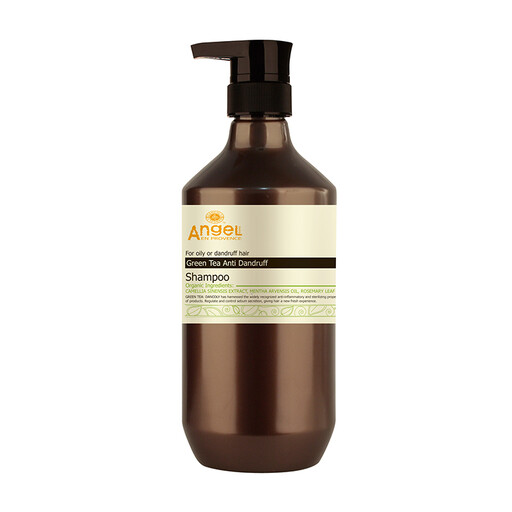
Why it fits this profile: The large pack is practical if you regularly use an anti-dandruff shampoo and have already checked the ingredients and frequency of use.
The product information states the 800 ml content, the target for a dandruff-prone scalp and a usage recommendation of two to three times a week.
800 ml; green tea extract, menthol and zinc pyrithione according to the ingredients information; paraben-free stated.
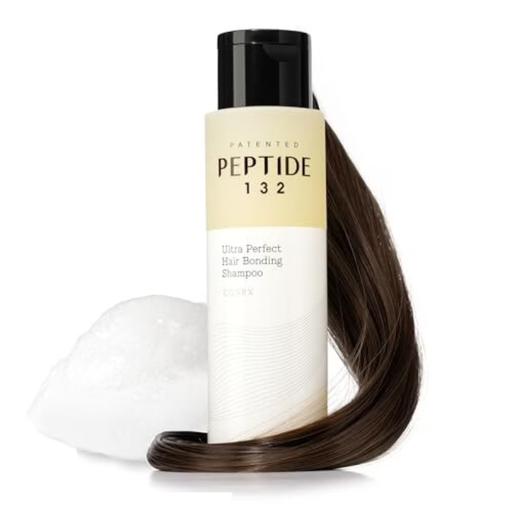
Why it fits this profile: This shampoo has a comprehensive ingredients list for anyone wanting to compare a product for damaged hair, an oily scalp and daily care all in one routine.
The product page specifies piroctone olamine, zinc PCA, caffeine, ceramides and a slightly acidic pH, among others; do check whether this formula suits your scalp.
Peptide-132, 285 ml, ingredients for cleansing and care; the product information states use for all hair types.
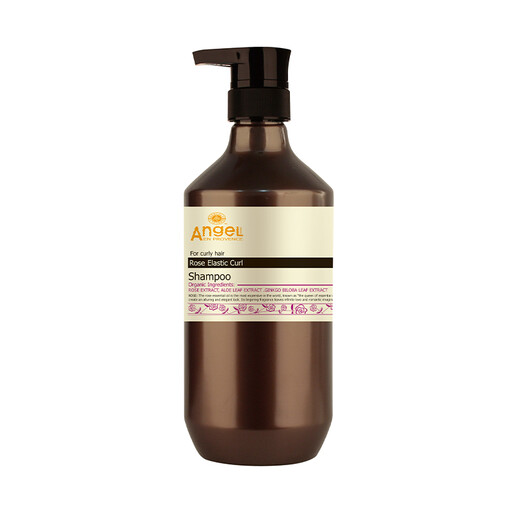
Why it fits this profile: A generous bottle suits people with curly hair who have a set washing routine and are specifically looking for a hydrating shampoo.
The product information explicitly mentions curly hair, gentle cleansing, hydration and 800 ml, rather than just a general care claim.
800 ml; rose extract, argan oil and shea butter are listed; suitable for regular curl care.
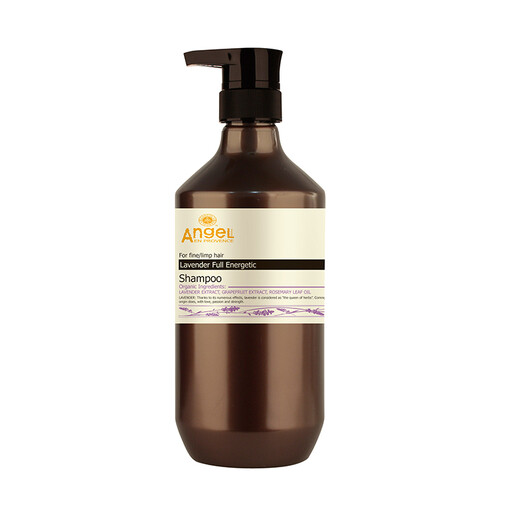
Why it fits this profile: The product description targets fine or thin hair and mentions lavender and rosemary extracts, making this a logical volumising shampoo to compare.
The target audience and usage advice are clearly stated; according to the product description, use two to three times a week is intended.
800 ml; lavender and rosemary extract; product information mentions volume and shine as intended properties.
We’ve put together a full, up-to-date list of products that fully meet these strict selection criteria and comply with current European safety regulations.
It depends on your scalp, hair length and styling routine. An oily scalp may need washing more often than dry or curly hair. Follow the product advice, but pay attention to comfort, greasiness and dryness after washing.
No. An anti-hair loss shampoo is generally a cosmetic care product. Claims from brands, such as with Some By Mi, should be read as product information and not as a guaranteed medical result. Contact a doctor if you notice significant or persistent hair loss.
A 400 ml bottle can last weeks to months, depending on hair length, washing frequency and how much you use per wash. An 800 ml pack needs a lower usage frequency per household to remain practical. Use a small amount and apply shampoo mainly to your scalp; the lather is usually enough to cleanse the lengths.
