
Vandaag of morgen in huis

Kwaliteit gegarandeerd

Welkomstaanbiedingen ontgrendelen: GRATIS bezorging | Tot 80% korting | Gratis 30 dagen JoyPlus-proefperiode
Download de app
Dry, brittle or chemically treated hair needs more than just “extra shine”. Shampoo for damaged hair should cleanse without leaving your hair feeling unnecessarily rough. At the same time, you don’t want to buy a product that relies on bold marketing claims but offers little information about its formula, how to use it or who it’s suitable for.
Words such as repair shampoo, repair and bond building often refer to a smoother feel, fewer tangles or support for weakened hair fibres. However, damaged ends can’t literally grow back together. Shampoo for hair breakage can leave your hair feeling softer and easier to manage, which may reduce mechanical stress when washing and brushing.
So look for specific product information: does it mention using conditioner, hair texture, colour protection, size and ingredients? A vague claim without instructions tells you very little.
A sulphate-free shampoo may be worth considering for colour-treated, dry or sensitive-feeling hair. But the cleansing agent isn’t the only factor that determines how gentle a formula is. How often you wash your hair, how much product you use, fragrance and the condition of your scalp all play a part too.
A shampoo with sulphates isn’t necessarily unsuitable. If you have an oily scalp, use lots of styling products or have mineral deposits from hard water, a more thorough cleanse may be practical. So consider whether you’re looking for everyday care, shampoo for colour-treated hair or occasional scalp care.
A 1,000 ml or 1,500 ml salon-size bottle may look appealing, but it’s best suited to regular use by several people, a hair salon or a household where everyone uses the same formula. If you have a sensitive scalp or your hair gets weighed down easily, a smaller bottle is more convenient for trying it out first.
Check the first ingredients on the label. Cleansing agents such as sodium laureth sulfate, olefin sulfonate or various mild glucosides give you an indication of a shampoo’s cleansing profile. This isn’t a complete assessment of the formula, but it can help you compare products.
A sulphate-free shampoo may suit dry or colour-treated hair. Olaplex No.4 and Olaplex No.4 Fine are described as sulphate-free in the product information. According to its listed ingredients, Gliss-Kur Ultimate Repair does contain sodium laureth sulfate. That doesn’t automatically make it unsuitable; it simply means you should choose according to your washing routine and scalp.
Choose based on your main concern:
According to the brands’ own information, some formulas can reduce hair breakage or support hair structure. Treat these figures as brand claims based on a specific test method, not as guaranteed results for every user.
Don’t compare bottles on price alone; consider the size and recommended amount to use as well. A concentrated shampoo may last longer than a larger bottle that you need to use more of. A 100 ml bottle is handy for travel or for trying a formula first; a 1,000 ml or 1,500 ml bottle makes more sense for salon professionals or frequent shared use.
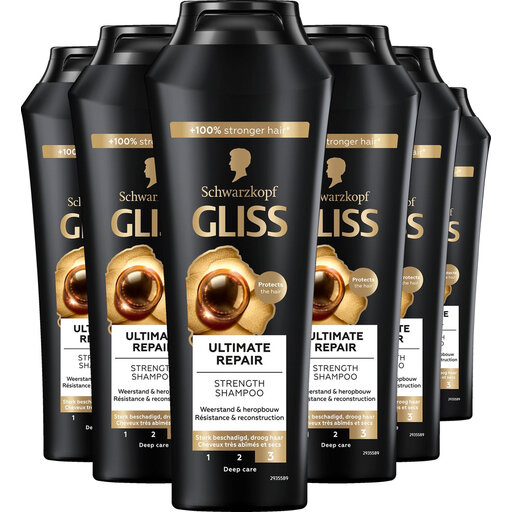
Why it suits this profile: The pack of six bottles is practical for households that regularly use the same repair shampoo and want to stock up.
The product information clearly gives the bottle size and usage instructions, and states that it contains hydrolysed keratin. Bear in mind that this formula contains sodium laureth sulfate.
Six 250 ml bottles; the product description mentions keratin and care for dry and damaged hair.
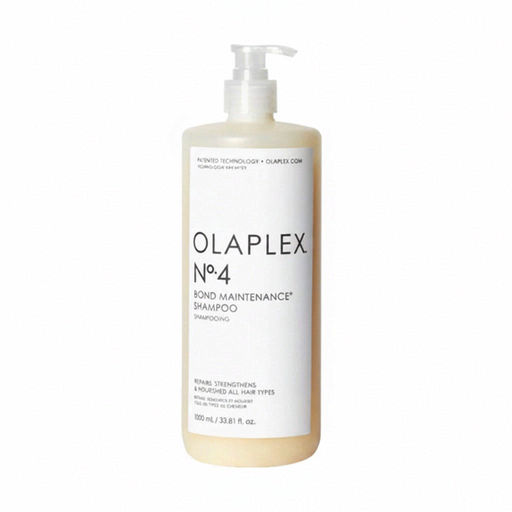
Why it suits this profile: This large bottle is a good fit if you regularly use a bond-building shampoo on dry, colour-treated or chemically treated hair.
The product information explicitly states that it is sulphate-free and colour-safe. The formula contains glycerine and panthenol, among other ingredients, as well as bond-building technology used by the brand.
1,000 ml size; described as suitable for all hair types and colour-treated hair; sulphate-free formula.
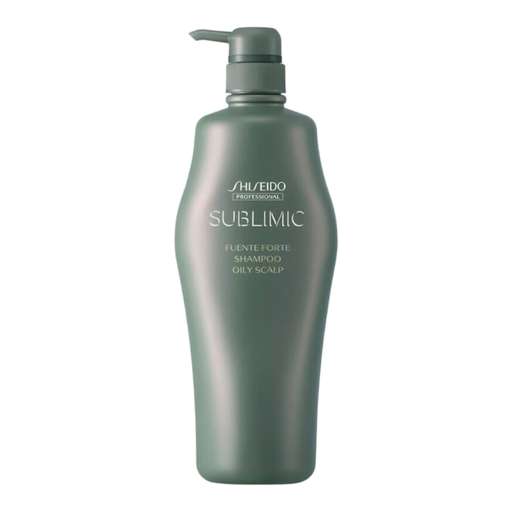
Why it suits this profile: The formula focuses on scalp care and frequent use, for example in a salon or for an oily scalp that needs regular, thorough cleansing.
The product description specifies that it is for oily scalps and recommends massaging it in for three minutes. That makes the instructions more specific than a general cleansing claim.
1,000 ml size; designed to remove excess oil; instructions recommend massaging in and rinsing thoroughly.
Wet your hair thoroughly and use a small amount. Massage it mainly into your scalp; the lengths are usually cleansed well enough as the lather runs through them. Rinse thoroughly, then apply conditioner to the lengths and ends. If your hair is dry or brittle, this can help reduce friction when brushing.
Wash your hair as often as your scalp needs, rather than relying solely on a product claim. A clarifying shampoo, such as a formula designed to remove styling residue and minerals, may be better used occasionally than every day. Stop using it if irritation occurs and avoid contact with your eyes.
We’ve put together a complete, up-to-date list of products that meet these strict selection criteria and the applicable European safety regulations.
Choose a formula with conditioning properties and check whether it’s designed for dry, damaged or colour-treated hair. Ingredients such as glycerine, panthenol, oils, proteins or keratin may be listed in the product description. Always use conditioner on the lengths for extra softness.
Shampoo can leave your hair feeling smoother and easier to manage. This may reduce friction when washing and brushing. Claims about a specific percentage reduction in hair breakage come from the brand’s own research or tests and won’t necessarily apply equally to every user. Also limit heat styling, vigorous brushing and tightly tied-back hairstyles.
That depends on the formula, how often you wash your hair and the shelf-life information on the packaging. Keep the bottle tightly closed and check the period-after-opening symbol if one is shown. If your hair feels weighed down, your scalp feels tight or irritation develops, the formula may not suit your routine.
