
Vandaag of morgen in huis

Kwaliteit gegarandeerd

Welkomstaanbiedingen ontgrendelen: GRATIS bezorging | Tot 80% korting | Gratis 30 dagen JoyPlus-proefperiode
Download de app
Choosing a shampoo for hair and scalp concerns may seem straightforward, until you have to decide between anti-dandruff shampoo, shampoo for hair loss, volumising shampoo, detox shampoo and an everyday shampoo. Marketing copy often promises visibly fuller hair, less hair loss or a completely clean scalp. These results are not the same for everyone.
The right choice therefore starts not with a striking claim, but with your scalp type, hair length, washing frequency and the ingredients list.
Words such as “against hair loss”, “strengthening” or “up to 100% dandruff-free” sound convincing. Always check the conditions. According to Head & Shoulders’ own research, for example, the claim about visible dandruff applies with regular use and under the conditions of the cited research. This does not mean that every hair or scalp concern will respond in the same way for every user.
A shampoo can cleanse the hair, condition it or make it feel less weighed down. That is different from a medical treatment. In the event of sudden or persistent hair loss, severe itching or sores, it is advisable to consult a GP or dermatologist.
A scalp can become oily quickly while the lengths are dry or damaged. A strong cleanser for the roots can make the lengths feel unnecessarily dry. If you use shampoo for oily hair, applying conditioner only to the lengths may therefore be beneficial.
A silicone-free shampoo can be a good option for fine hair that quickly falls flat. However, silicones are not automatically unsuitable: they can make hair smoother and help with detangling. Plant extracts, fragrance and essential oils may also be less suitable for some users. So check the full ingredients list, not just the front of the packaging.
Start by choosing based on the scalp concern:
A shampoo for hair loss is primarily intended to cleanse the scalp and hair. Claims about less hair loss may refer to hair breakage or hair retention, rather than necessarily addressing the cause of hair loss. According to the product information from some brands, results depend on regular use or a complete product routine.
For fine hair and a lack of volume, lightweight formulas are often more practical. A silicone-free volumising shampoo, such as Syoss Volume Shampoo, is described in the product information as being developed for fine and flat hair and contains 0% silicones. For dry and damaged lengths, a nourishing formula with oils, keratin or proteins may be more suitable.
A 250 ml bottle is useful for trying a product first. A 400 to 1,000 ml pack can be more economical once you know the product and use it regularly. Also consider the recommended frequency:
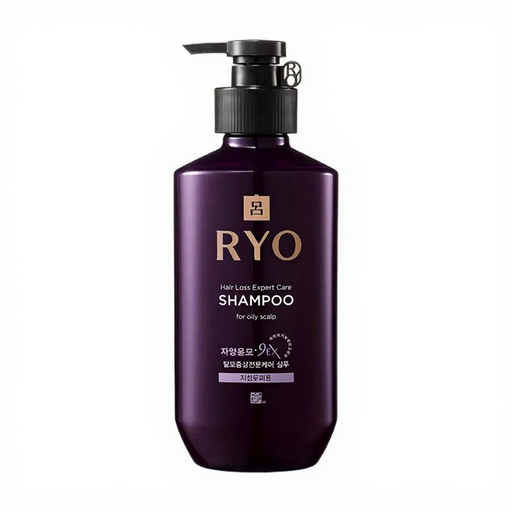
Why it suits this profile: According to the product specifications, this shampoo is intended for an oily scalp and contains ginseng extract. At 400 ml, it provides enough product for a regular washing routine.
The target group is clearly described as people with an oily scalp. This means you do not automatically have to choose a universal shampoo when excess sebum is the main concern.
400 ml; according to the product information, paraben-free and dermatologically tested.
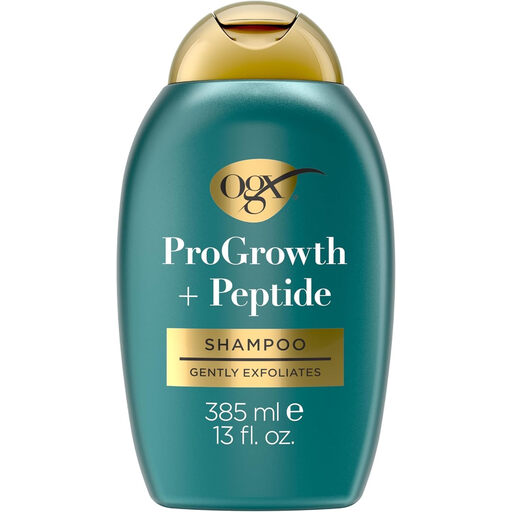
Why it suits this profile: According to the product description, the formula contains 1.5% mandelic acid and peptides and is intended for fine or thinning-looking hair. This makes it a good match for shoppers specifically looking for a shampoo with peptides.
The ingredients and intended hair type are clearly stated. Do check the current packaging and bear in mind that the claim about certain results is based on instrumental tests of the complete routine.
Contains peptides; 385 ml; described as lightweight and cleansing.
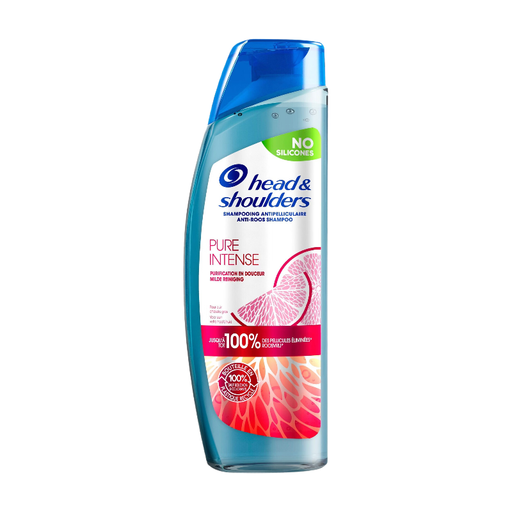
Why it suits this profile: According to the product information, this anti-dandruff shampoo is intended to tackle excess sebum, dandruff and itching. The silicone-free formula and grapefruit fragrance appeal to anyone looking for an intensely clean feeling.
The product description identifies the specific concerns and states that it has a balanced pH. If you have a sensitive scalp, it is still important to check the fragrance and preservatives.
Silicone-free according to the product information; 250 ml; intended for thorough scalp cleansing.
We have put together a complete, up-to-date list of products that fully meet these strict selection criteria and the applicable European safety regulations.
Thoroughly wet your hair first and use a small amount. Massage mainly into the scalp; the lengths are usually cleansed sufficiently as the lather runs through them. Rinse carefully and, if your lengths are dry, use conditioner if needed.
Do not automatically wash your hair more often just because it becomes oily quickly. An overly harsh routine can feel uncomfortable. Use a detox shampoo mainly if you use lots of wax, gel, oil or dry shampoo. With an anti-dandruff shampoo, follow the instructions on the packaging and use the product regularly if recommended.
Look for a shampoo specifically intended for an oily scalp or oily hair. Ingredients and product claims can help guide you, but your own experience remains important. Wash the lengths gently and use conditioner only where necessary.
A shampoo can cleanse the scalp and temporarily make the hair feel stronger or fuller. Claims about hair retention or reduced hair breakage are not the same as treating the cause of hair loss. If the problem persists, seeking medical advice is more appropriate than simply trying a different shampoo.
Check the expiry information, batch code and the symbol indicating the period after opening on the packaging. Store the bottle in a dry, cool place away from direct sunlight. If the smell, colour or texture changes, or irritation occurs, stop using it.
