
Vandaag of morgen in huis

Kwaliteit gegarandeerd

Welkomstaanbiedingen ontgrendelen: GRATIS bezorging | Tot 80% korting | Gratis 30 dagen JoyPlus-proefperiode
Download de app
Buying a new shampoo seems simple enough – until you have to choose between a hydrating shampoo, a volume shampoo, an anti-dandruff shampoo, and variants for dry, oily or damaged hair. Marketing copy often promises shine, fuller hair or less hair loss, but it's the ingredients and the intended use that determine whether a product is right for you.
The most common mistakes happen because of three pitfalls:
Start by distinguishing between your scalp and your hair lengths. An oily scalp usually calls for a cleansing formula, while dry and damaged hair needs care in the lengths. Fine hair can quickly feel heavy with rich oils or silicones, whereas thick, porous hair can actually benefit from a nourishing shampoo.
Pay particular attention to these three points:
A sulphate-free shampoo isn't automatically right for everyone, but it can be worth considering if you want a gentler cleanse or often experience a dry feeling. Always check the current ingredients list on the packaging. Brands can change their formulas.
If you want to avoid fragrance, essential oils, menthol or certain preservatives, you need to read the ingredients list carefully. With a sensitive scalp, it's wise to use a small amount first and stop if you experience redness, itching or irritation.
Also pay attention to claims such as “natural”, “vegan” or “professional shampoo”. Such terms don't in themselves tell you how a product will react with your hair. Look for verifiable information like size, suitable hair type, key ingredients and usage advice.
A 1,000 ml bottle might seem good value, but it's only really practical if you use the formula regularly and can store the packaging properly. Smaller bottles of 250 to 300 ml are handier for trying something out first.
Don't automatically use a large amount. Wet your hair, apply shampoo mainly to the scalp and rinse thoroughly. For dry lengths, a conditioner or mask is often more suitable than extra shampoo. Always follow the label and the recommended contact time for an anti-dandruff shampoo or a shampoo for hair loss.
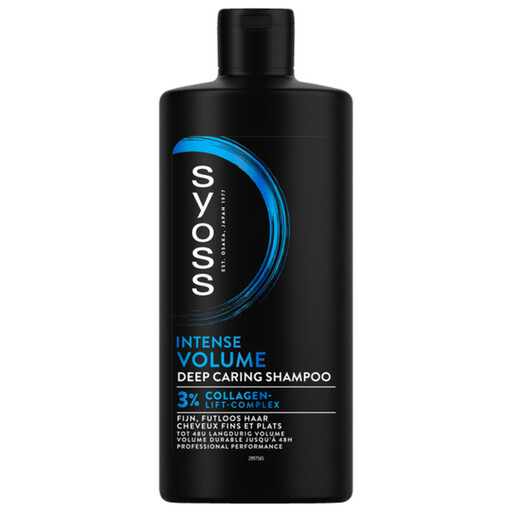
Why this fits the profile: An accessible choice for anyone with fine or flat hair who wants a lightweight everyday shampoo.
The product description clearly states that the formula is silicone-free and designed for fine or lifeless hair, rather than making a general claim for every hair type.
440 ml; 0% silicones according to the product information; aimed at volume for fine and flat hair.
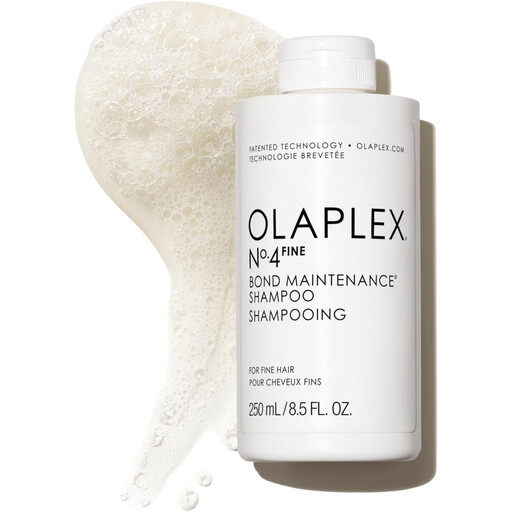
Why this fits the profile: Suits users who regularly colour or treat their hair and are looking for a targeted care routine.
The product information specifically mentions its use on chemically treated and coloured hair, rather than just listing shine as a general benefit.
250 ml; suitable for coloured hair according to the product description; vegan and dermatologically tested according to the stated product specifications.
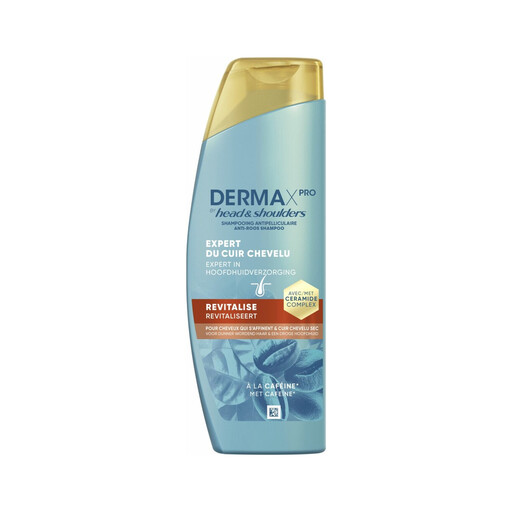
Why this fits the profile: Ideal for anyone specifically looking for an anti-dandruff shampoo and who wants a scalp care product they can use regularly.
The product information lists piroctone olamine as the active ingredient and separately states that it is an anti-dandruff formula. This shampoo is not sulphate-free.
250 ml; piroctone olamine and caffeine according to the ingredients list; 12 months shelf life after opening according to the packaging.
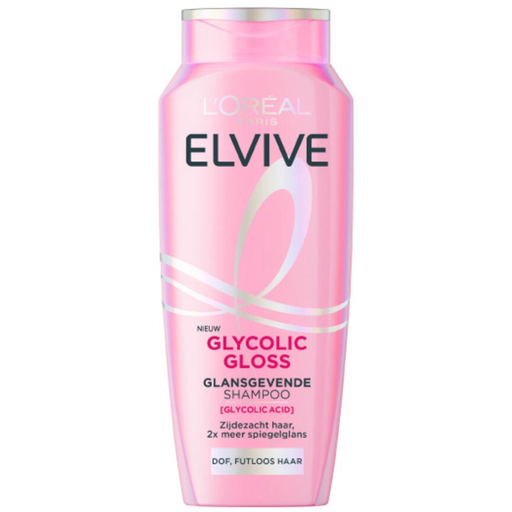
Why this fits the profile: A logical option for anyone looking for a shampoo for shiny hair without a heavy texture.
The product description specifies that the formula is sulphate-free and designed for dull and porous hair. Do check the current ingredients list on the bottle.
250 ml; glycolic acid according to the product information; light, creamy texture and bottle made from recycled plastic according to the description.
We've put together a full, up-to-date list of products that fully meet these strict selection criteria and comply with current European safety regulations.
That depends on your scalp, hair texture and daily activities. If you have an oily scalp, washing more often can feel more comfortable. Dry or curly hair can sometimes benefit from less frequent washing. Use a small amount and apply it mainly to the scalp, not all the way down the lengths.
According to the manufacturer, a shampoo for hair loss can contain ingredients that care for the scalp or support hair retention. That doesn't mean it will stop hair loss for everyone. If you experience sudden, severe or persistent hair loss, it's wise to speak to your GP. Also pay attention to the exact product claim and usage instructions.
Not automatically. The size, recommended amount and washing frequency determine the cost per use. So compare the price per 100 ml and check whether the shampoo suits your scalp. A larger pack is only good value if you like the formula and can use it within its shelf life.
