
Vandaag of morgen in huis

Kwaliteit gegarandeerd

Welkomstaanbiedingen ontgrendelen: GRATIS bezorging | Tot 80% korting | Gratis 30 dagen JoyPlus-proefperiode
Download de app
Buying a new shampoo seems straightforward, until you have to choose between moisturising, repairing, sulphate-free, vegan and professional varieties. Attractive packaging or a promise of shine does not always say anything about whether a product is right for your hair. The best choice mainly depends on your hair type, scalp, washing frequency and desired level of care.
Terms such as “against hair loss”, “repair” or “colour protection” sound specific, but the effect can vary from person to person. According to a brand’s own research or product information, these are marketing claims, not a guarantee for every user. Shampoo mainly cleanses the scalp and hair. If you experience persistent hair loss, itching or flaking, speaking to your GP or a dermatologist is more sensible than simply switching to another shampoo.
A sulphate-free shampoo can be a good choice for coloured, dry or curly hair, but sulphates are not automatically unsuitable. They help remove sebum, styling residue and dirt. For oily hair, a more thorough cleanse can actually be practical. So look at the complete formula as well as your own experience. If your scalp is sensitive, also check for fragrance, alcohol, silicones and potential allergens.
A 250 ml bottle may seem inexpensive, but it can work out more expensive per wash than a larger pack. Conversely, a 1,500 ml salon-size bottle is not always convenient in a small bathroom. A shampoo bar weighing 70 grams also uses a different measure from liquid shampoo. Consider the dosage, packaging, shelf life and whether you need the formula every day.
Start by choosing the most important purpose:
“Vegan”, “natural” and “paraben-free” are separate properties. A vegan shampoo is not automatically sulphate-free or suitable for a sensitive scalp. For its Aloe You Vera Much Shampoo Bar, HappySoaps lists, among other things, 100% plastic-free, natural and vegan, with aloe vera, quinoa, shea butter and olive oil.
Always check the current ingredients list on the packaging. Brands may change their formulas. If irritation occurs, stop using the product and avoid contact with the eyes; rinse immediately with water if contact occurs.
For everyday use, a mild shampoo is convenient, particularly if you exercise frequently or work in an environment where you use a lot of styling products. A larger size is better suited to a household with several users or to professional use. L’Oréal Professionnel Serie Expert Absolut Repair Shampoo is available in 1,500 ml, making it especially practical for long-term use or a salon environment.
Use shampoo mainly on the scalp and allow the lather to run through the lengths. For dry or damaged hair, conditioner or a hair mask is often a useful addition. Using more shampoo will not automatically produce better results.
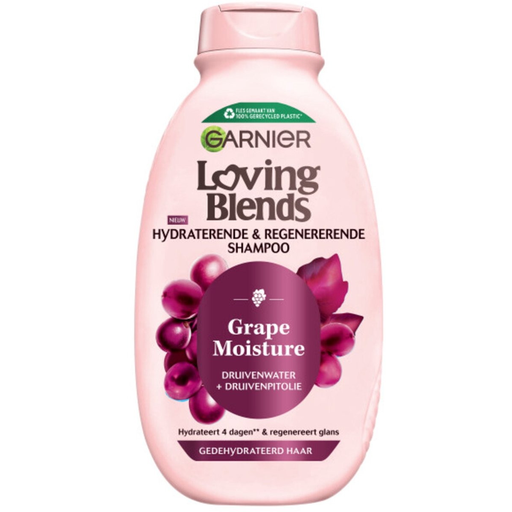
Why it suits this profile: The 300 ml pack size and product description make this shampoo suitable for a simple routine for normal to dry hair.
The product information describes it as suitable for everyday use and the formula as mild; check the current ingredients list before ordering.
300 ml contents; the product description mentions hydration, softness and everyday use.
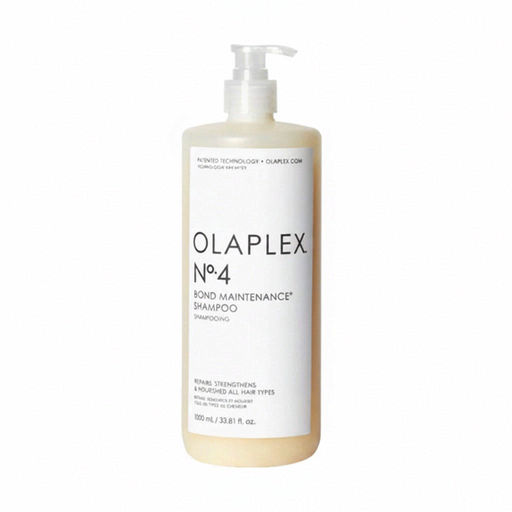
Why it suits this profile: The large size and stated colour-safe, sulphate-free formula are well suited to users with an extensive hair-care routine.
The product page clearly states that it is sulphate-free and suitable for coloured hair. Always check claims and ingredients on the packaging.
1,000 ml contents; sulphate-free and colour-safe formula according to the product information.
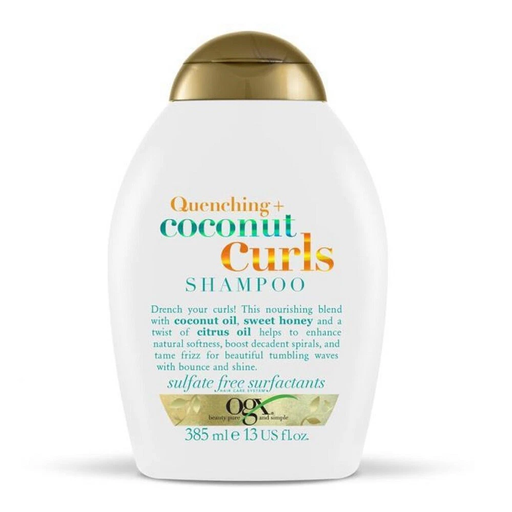
Why it suits this profile: The product description focuses on hydration, curl definition and sulphate-free cleansing.
The formula properties are clearly stated: sulphate-free and suitable for coloured hair. This makes comparison easier than relying solely on the fragrance or packaging.
385 ml contents; coconut oil, honey and citrus oil are mentioned in the product information.
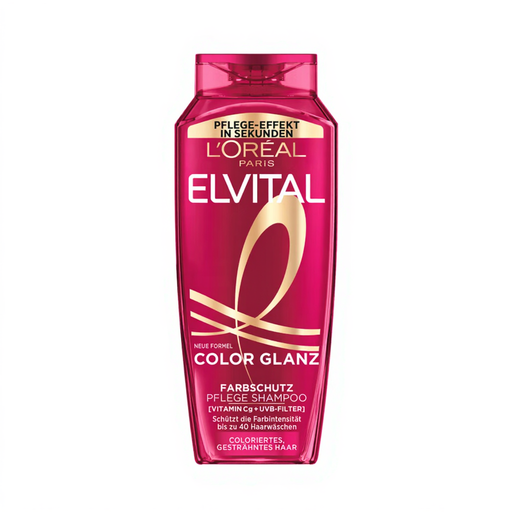
Why it suits this profile: This variant is designed for coloured hair and mentions vitamin Cg and a UVB filter in the product description.
The target audience and stated ingredients are clearly indicated. The colour-protection claim comes from the brand’s product information and is not a guarantee for every user.
300 ml contents; 2-in-1 formula according to the product description; developed for colour care.
We have compiled a complete, up-to-date list of products that fully meet these strict selection criteria and the applicable European safety regulations.
Choose a moisturising shampoo with ingredients such as glycerine, oils, butters or panthenol. For damaged hair, proteins and conditioning ingredients can help it feel smoother. Also use a conditioner and limit heat styling if your hair breaks easily.
That depends on your scalp and the formula. Shampoo designed for everyday use is generally formulated to be mild, but washing with water alone removes less sebum and styling residue. Daily washing can be practical for oily hair, while washing less often may be more comfortable for dry hair.
A cosmetic shampoo can cleanse the scalp and temporarily make the hair feel fuller or stronger. Claims about reducing hair loss or promoting hair growth should be viewed as information from the brand, not as a proven medical result. If you experience sudden or persistent hair loss, seeking professional medical advice is appropriate.
