
Vandaag of morgen in huis

Kwaliteit gegarandeerd

Welkomstaanbiedingen ontgrendelen: GRATIS bezorging | Tot 80% korting | Gratis 30 dagen JoyPlus-proefperiode
Download de app
Buying a new shampoo may seem straightforward, but the sheer range of options can make comparing products difficult. Are you looking for an anti-dandruff shampoo, shampoo for dry hair or perhaps a volumising shampoo for fine hair? An eye-catching package or appealing promise is not enough. The right choice mainly depends on your scalp, hair length, washing frequency and the ingredients list.
Dry ends need something different from an oily scalp. A rich, moisturising shampoo can feel pleasant on dry hair, but may feel too heavy if your hair becomes greasy quickly. Conversely, a deeply cleansing formula can make dryness or a tight feeling worse.
So first consider where the problem lies:
Terms such as “repair”, “anti-hair loss” or “professional quality” can mean different things. A brand’s own research may indicate that a formula can help with a particular hair concern or visible characteristic, for example, but this is not a guarantee for every user. Check the product description, instructions for use and exact ingredients list.
Extra care is advisable when it comes to hair-loss claims. According to the product description, an anti-hair-loss shampoo may cleanse the scalp or care for the hair, but shampoo is not a substitute for medical advice in cases of persistent or sudden hair loss.
A shampoo 800 ml or shampoo 1000 ml may appear good value, but also check:
A large bottle is particularly useful when several people use the same product or when you already know that the formula suits you.
Choose a formula based on your main concern. For a sensitive or dry scalp, milder cleansers and conditioning ingredients may be relevant. With an oily scalp, thorough cleansing is important without making the hair unnecessarily heavy.
If your main concern is dry or damaged hair, look for a repair shampoo containing ingredients such as proteins, glycerine, panthenol or conditioning agents. These ingredients alone do not mean that hair is structurally repaired; according to the product description, they may help leave it feeling softer, smoother or easier to manage.
Check the complete INCI list on the packaging. Fragrance ingredients such as limonene, linalool or geraniol may be relevant for some people. Essential oils, menthol and certain preservatives may also not be suitable for every scalp.
The ingredients list may change. Always use the packaging you receive as the most up-to-date source. Stop using the product if you experience redness, itching or irritation, and avoid contact with the eyes.
Apply shampoo mainly to the wet scalp, then distribute the lather through the lengths. Use an appropriate amount rather than automatically applying a large quantity. Rinse thoroughly. Conditioner or a hair mask can provide additional care for dry or damaged hair, but will not automatically make an unsuitable shampoo right for you.
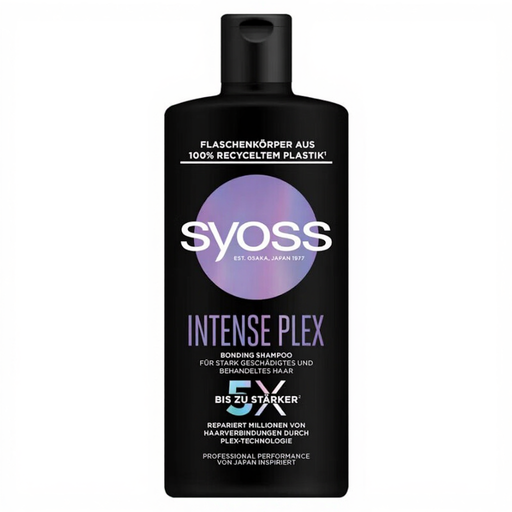
Why it suits this profile: A regular shampoo for all hair types, suitable as a straightforward choice for daily hair care without a specific scalp indication.
The product information clearly states that this is a regular shampoo for all hair types, without a specific problem-related claim.
440 ml contents; contains hydrolysed keratin and glycerine, among other ingredients, according to the listed ingredients.
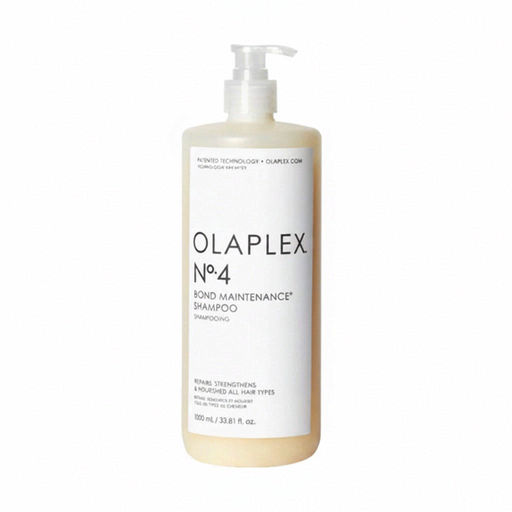
Why it suits this profile: A large professional-sized bottle for anyone who regularly uses a conditioning shampoo on dry, coloured or treated hair.
The product description states the 1000 ml quantity and features such as colour-safe and sulphate-free, allowing you to compare it more precisely.
Large bottle; formula containing glycerine, panthenol and plant proteins, among other ingredients, according to the product details.
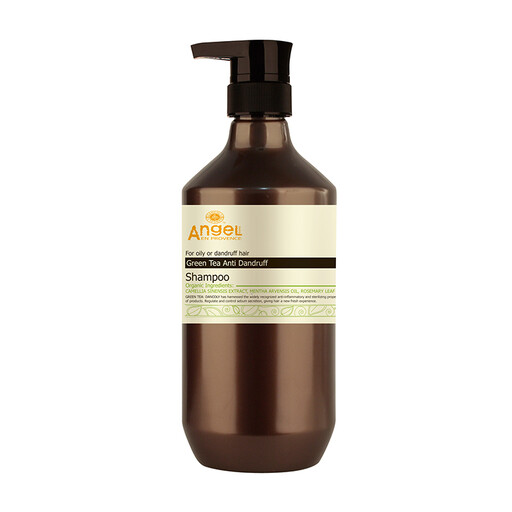
Why it suits this profile: Designed for adults looking for an anti-dandruff shampoo and wanting to use a large bottle according to a schedule of two to three times a week.
The instructions explicitly state a frequency of two to three times a week, so daily use is not the standard recommendation.
800 ml contents; according to the product information, contains green tea extract, menthol and zinc pyrithione.
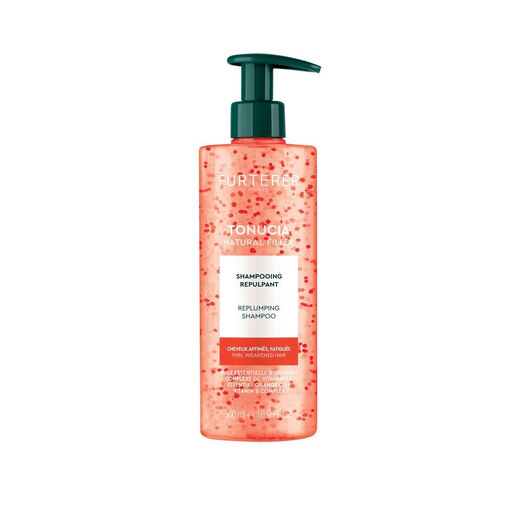
Why it suits this profile: The product description focuses on fine, lifeless and thinning hair, and states that it is suitable for frequent daily use.
The target audience and recommended frequency are clearly specified, making it easy to distinguish this shampoo from a general anti-dandruff or repair formula.
500 ml contents; the listed ingredients include tamarind seed extract, panthenol, niacinamide and hydrolysed wheat protein.
We have put together a complete, up-to-date list of products that fully meet these strict selection criteria and the applicable European safety regulations.
Look for a moisturising shampoo with conditioning ingredients such as glycerine, panthenol or oils. If you also have damaged lengths, choose a shampoo for damaged hair and use conditioner as well. Make sure a rich formula does not leave your scalp feeling heavy or greasy.
This depends on your scalp, activity levels and the product itself. A shampoo for daily use may be suitable if the packaging states this and your scalp remains comfortable. An anti-dandruff shampoo may instead have specific usage instructions. Always follow the directions on the packaging.
Not necessarily. Compare the price per 100 ml and check whether the formula is suitable for your needs. A large bottle is practical for families, salons or intensive users, but less advisable if you are not familiar with the product or your scalp is easily irritated.
