
Vandaag of morgen in huis

Kwaliteit gegarandeerd

Welkomstaanbiedingen ontgrendelen: GRATIS bezorging | Tot 80% korting | Gratis 30 dagen JoyPlus-proefperiode
Download de app
Choosing the right shampoo may seem straightforward—until you have to decide between a moisturising shampoo, sulphate-free shampoo, purple shampoo or a formula for damaged hair. An attractive package or persuasive claim does not tell the whole story. Ultimately, the formula, ingredients and suitability for your scalp determine whether a product fits your routine.
Words such as “repairing”, “anti-hair-loss” or “salon quality” sound convincing, but they do not always describe a guaranteed result. According to a brand’s own research or claims, a shampoo may, for example, help reduce hair breakage or care for dry hair. That is not the same as a medical treatment or a proven solution for hair loss.
Read the full product description and ingredients list carefully. Also look out for warnings, such as fragrance allergens or ingredients that have caused irritation for you in the past.
A shampoo for dry hair may work well on dry lengths, yet feel too heavy on a scalp that becomes oily quickly. Conversely, a deep-cleansing shampoo can be useful when you use a lot of styling products, but may feel uncomfortable on dry or porous hair.
First, identify your primary concern:
A 1,500 ml bottle may appear cost-effective, but it is less practical in a small bathroom and can be awkward to dispense. A shampoo multipack is particularly useful when several people use the same product or when you have an established routine.
Compare the price per 100 ml rather than looking only at the price of the package. Also check that a multipack actually contains multiple bottles and confirm the volume of each one.
If you are looking for a sulphate-free shampoo, check the ingredients list rather than relying solely on the front of the packaging. The Andrelon Pro Nature Shea Shampoo, for example, is described as free from sulphates and silicones, with 94% ingredients of natural origin. The current ingredients list on the packaging remains the definitive reference, as formulas can change.
Other shampoos do contain cleansing agents such as sodium laureth sulphate or sodium lauryl sulphate. That does not automatically make them unsuitable, but it may be relevant if you prefer a gentle or sulphate-free formula.
Common formats in the range vary from approximately 240 to 550 ml. Salon-sized formats, such as a 1,500 ml bottle, are especially practical for frequent use. A 250 or 300 ml bottle is a better choice if you want to try a product first or regularly change your routine.
Use a small amount and focus your massage on the scalp. The lengths are generally cleansed sufficiently as the lather is rinsed through them. Always follow the instructions on the packaging.
With purple shampoo, the processing time matters. The L'Oréal Professionnel Silver Shampoo specifies a leave-on time of 1 to 3 minutes; leaving it on for longer may affect the perceived colour. In shampoos for dry or damaged hair, oils, shea butter, glycerine and proteins may support the desired conditioning properties, but results vary depending on hair structure.
Also pay attention to fragrance ingredients such as limonene, linalool or coumarin if you are sensitive to them. Stop using the product if irritation occurs and rinse immediately with water if it gets into your eyes.
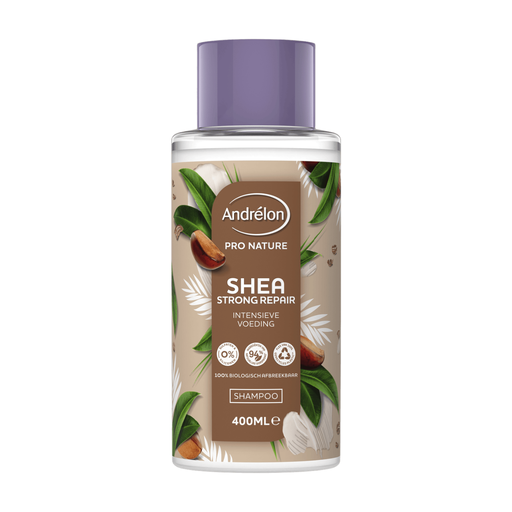
Why it suits this profile: A practical choice for adults looking for a conditioning shampoo for dry hair and valuing a sulphate- and silicone-free formula.
The product information states 0% sulphates and silicones, making it easier to compare the formula with conventional shampoos.
400 ml volume, shea butter listed as an ingredient and a product description stating that 94% of the ingredients are of natural origin.
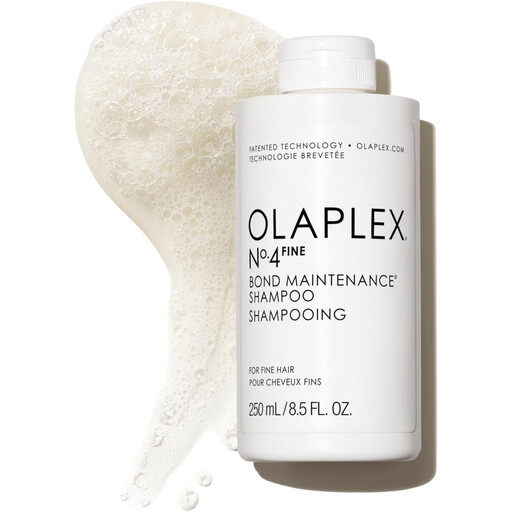
Why it suits this profile: A compact option for fine or chemically treated hair when a colour-safe formula and gentle cleansing are priorities.
The description explicitly states that it is vegan, colour-safe and suitable for chemically treated hair. Check the packaging for the current formula.
250 ml format, vegan certification and positioning for fine hair that needs volume and resilience.
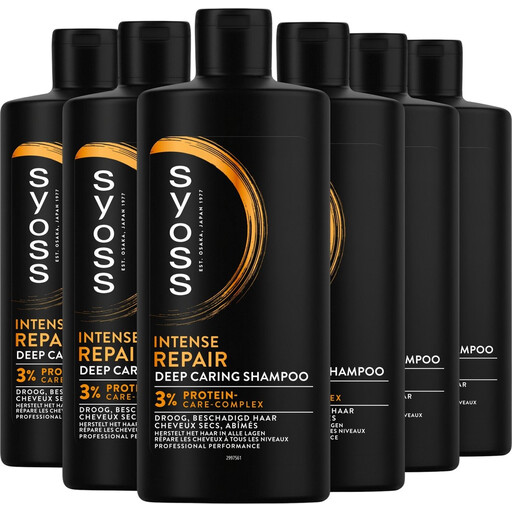
Why it suits this profile: Convenient for households with daily use or for anyone wanting to stock up on shampoo for dry and damaged hair.
The packaging states that the set contains six 440 ml bottles, with a total volume of 2,640 ml. This makes the stock level and price per 100 ml easy to verify.
Vegan positioning, 90% ingredients of natural origin according to the product information and a value-pack format.
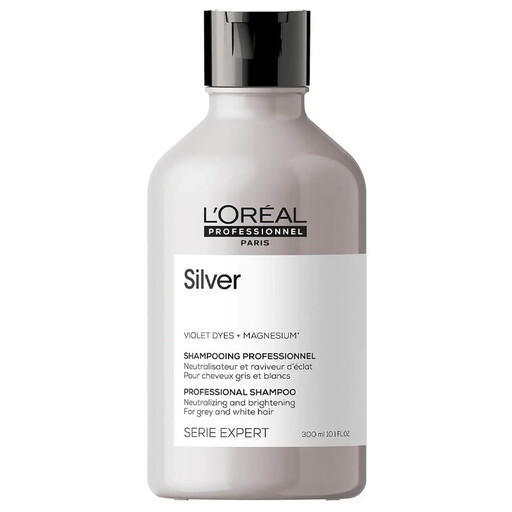
Why it suits this profile: Designed for grey, white and light-blonde hair when you want to maintain warm or yellow tones as part of your routine.
The purple pigments and recommended processing time of 1 to 3 minutes are clearly stated. This helps prevent you from using the product like a regular daily shampoo.
300 ml volume and a formula that, according to the product description, contains violet pigment to neutralise yellow and copper tones.
Browse a current selection of shampoos by hair type, volume, formula and intended use. Always check the latest product information and ingredients on the product page.
Wet your hair thoroughly before applying shampoo. Use a small amount and massage it into the scalp with your fingertips. Rinse thoroughly. If you use a lot of oil, wax or gel, a second wash may be necessary; according to the product description, a detox shampoo such as Uppercut Deluxe Detox & Degrease is designed to remove styling residue and excess oil.
Take extra care with shampoos marketed for hair loss. Product descriptions for RYO Roy and Some By Mi mention support for hair care and hair strength, but these are not medical guarantees. In cases of sudden or persistent hair loss, consulting a GP or another healthcare professional is more advisable than simply switching shampoos.
That depends on your scalp, hair structure and daily activities. An oily scalp or heavy use of styling products may require more frequent washing. Dry, curly or porous hair may benefit from less frequent washing and a moisturising shampoo. Above all, pay attention to how your scalp and lengths respond.
No. Sulphate-free shampoo is a logical choice if you want to avoid sulphates or prefer gentler cleansing, but “sulphate-free” does not automatically mean that a product is suitable for every hair type. Also check the fragrance, oils, silicones and other ingredients that may be relevant to you.
Follow the expiry date and the open-jar symbol indicating the period after opening on the packaging. Products with a shelf life of, for example, 12 months after opening are best stored in a clean, dry place away from direct sunlight. Check the scent, colour and texture, and stop using the product if you notice any obvious changes or irritation.
