
Vandaag of morgen in huis

Kwaliteit gegarandeerd

Welkomstaanbiedingen ontgrendelen: GRATIS bezorging | Tot 80% korting | Gratis 30 dagen JoyPlus-proefperiode
Download de app
Dull, dry or frizzy hair can still feel coarse after washing. A shampoo for shiny hair can help the hair surface feel smoother and make the hair easier to manage. However, the result depends on your hair type, the formula and the rest of your haircare routine.
When comparing products, do not focus only on words such as “shine”, “repair” or “intensive nourishment”. These terms say little about the formula on their own. Pay particular attention to the ingredients list, the volume and whether the product suits your daily routine.
A shampoo can temporarily make the hair feel smoother, allowing it to reflect light more effectively. That does not automatically mean that damaged hair fibres are permanently repaired. Performance claims come from the brand; according to a brand’s own research, results may also have been measured under specific test conditions.
Treat “repair” as an indication of the type of care offered, not as a guarantee. For split ends or severely damaged hair, you may need to use a conditioner or hair mask alongside a shampoo for damaged hair.
Oils, butters and conditioning polymers can feel pleasant on dry or coarse hair. On fine hair, however, these ingredients can feel too heavy, particularly when you use a lot of product or wash the lengths daily. A lightweight formula is often more practical in this case.
Also check the volume. A 250 ml bottle may appear attractively priced, but a 300, 350 or 400 ml pack may work out cheaper with regular use. Compare the price per 100 ml before making your decision.
A silicone-free shampoo may suit anyone looking for a lighter, more natural feel. However, silicones are not automatically undesirable: some formulas use them to make the hair surface feel smoother and temporarily reduce frizz. The right choice depends on your preference, hair texture and styling routine.
A shampoo with argan oil is particularly interesting for dry and unruly hair. According to product descriptions, a shampoo with keratin often aims to leave the hair feeling smoother or stronger. A shampoo with glycolic acid, such as the Glycolic Gloss variant, is intended to create a smoother hair surface and more shine, according to the brand description. Always check the current ingredients list on the packaging.
A sulphate-free shampoo may be a good choice for people who prefer gentle cleansing or wash their hair less often. A sulphate-free formula does not always lather in the same way as a traditional shampoo. That does not automatically mean that it cleans less effectively.
If you exercise frequently, use styling products or have a scalp that gets greasy quickly, you may actually need a more thorough cleanse. In that case, focus on washing the scalp and avoid applying shampoo to the lengths more than once unnecessarily.
Compare:
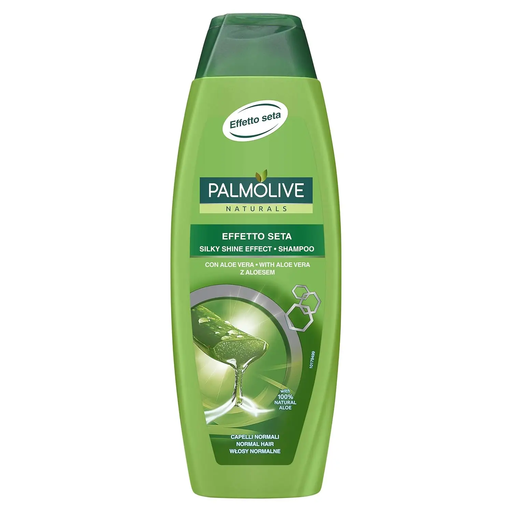
Why it suits this profile: The 350 ml pack is practical for regular use. According to the product description, the formula contains aloe vera and is suitable for frequent use.
The product information clearly states the purpose and volume, without requiring a special additional treatment to use the shampoo.
350 ml; aloe vera according to the product description; intended to leave hair feeling soft and shiny.
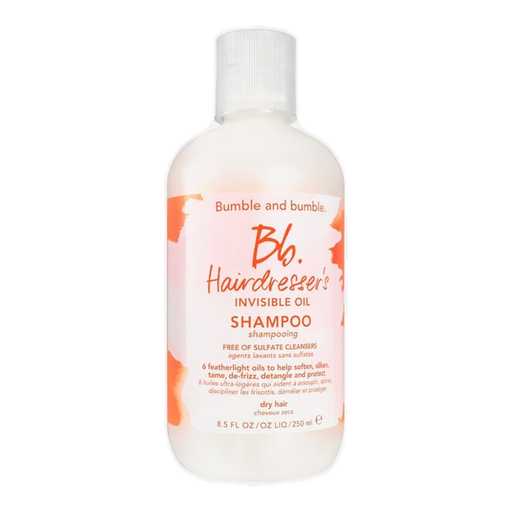
Why it suits this profile: According to the product description, this hydrating shampoo is designed for dry, coarse or fragile hair and contains six oils.
The usage instructions state that the creamy formula does not necessarily need to create a lot of lather. This helps prevent you from using extra product simply because there is little foam.
200 ml; oils such as argan, coconut and almond oil listed; glycerine and sodium hyaluronate included in the stated ingredients list.
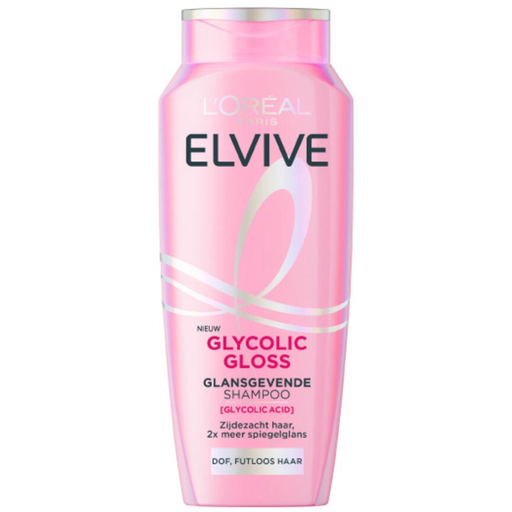
Why it suits this profile: According to the product description, this sulphate-free shampoo is intended for dull and porous hair, and the formula contains glycolic acid.
The formula properties are clearly stated: sulphate-free, 250 ml and glycolic acid. Check the current ingredients list on the packaging before buying.
Sulphate-free formula according to the product description; glycolic acid listed; lightweight, creamy texture according to the brand.
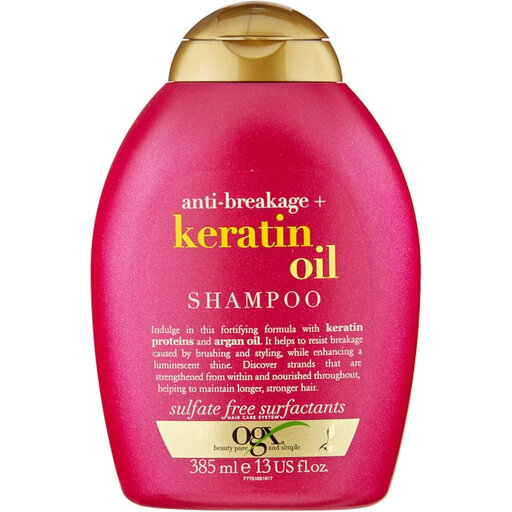
Why it suits this profile: According to the ingredients list, the formula contains hydrolysed keratin, argan oil, glycerine and silicones. This suits anyone looking for hair that feels softer and smoother.
The presence of silicones is clear from the ingredients list. This means you can make an informed decision about whether or not to choose it, rather than relying solely on the shine claim.
385 ml; keratin and argan oil listed; designed to reduce frizz and leave hair feeling smoother, according to the product description.
We have put together a complete, up-to-date list of products that fully meet these strict selection criteria and the applicable European safety regulations.
Apply shampoo to a thoroughly wet scalp and massage gently with your fingertips. Allow the lengths to lather mainly while you rinse; vigorous rubbing can increase frizz. If your hair is dry or damaged, apply conditioner to the lengths. Rinse thoroughly and avoid very hot water.
Wash your hair as often as your scalp requires. Washing daily is not necessarily a problem, but a rich, nourishing shampoo can feel heavy more quickly on fine hair. Alternating between a mild shampoo and a more intensive treatment can be practical when your hair has different needs.
Look for a hydrating or nourishing shampoo containing ingredients such as glycerine, argan oil, camellia oil or other conditioning ingredients. For dull hair, a shine shampoo with a smoothing effect may be suitable. Check that the formula is not too heavy for your hair.
Not automatically. A silicone-free shampoo can leave your hair feeling light and natural. A formula with silicones can make the hair surface feel smoother and temporarily reduce frizz. Choose according to your hair texture and personal preference.
This depends on the volume, hair length, washing frequency and amount used per wash. A 250 ml bottle will generally last longer on short hair than on long or thick hair. Compare the volume and do not use more than necessary to cleanse the scalp.
