
Vandaag of morgen in huis

Kwaliteit gegarandeerd

Welkomstaanbiedingen ontgrendelen: GRATIS bezorging | Tot 80% korting | Gratis 30 dagen JoyPlus-proefperiode
Download de app
Thinning hair, breakage, dandruff or a lack of volume do not automatically call for the same product. A shampoo for hair loss mainly cleanses the scalp and hair. It may make hair look fuller or help reduce breakage caused by dryness and friction, but shampoo is not a medical treatment for every cause of hair loss.
The marketing around anti-hair-loss shampoo can make choosing unnecessarily difficult. So do not just look for words such as “thickening” or “revitalising”; check the ingredients, volume and instructions for use too.
A volumising shampoo can temporarily make hair feel lighter, more textured or thicker. That does not mean new hairs are growing. Products for fine hair can still be useful if you are mainly looking for more body and grip. If you are looking for a shampoo for thicker-looking hair, check whether the description clearly refers to volume, texture or care for the hair fibre.
According to their own research, some brands say that certain formulas can support hair retention, volume or reduced breakage. Such results depend on the test set-up, the complete haircare routine and how the product is used. So treat claims such as “up to 48 hours of volume” or “retain up to 3,500 extra hairs” as information from the brand, not as a guaranteed personal result.
Dandruff, a dry scalp and excess sebum can cause discomfort and make hair feel more fragile. An anti-dandruff shampoo containing, for example, piroctone olamine targets visible flakes. A shampoo for fine hair often has a different purpose. One formula does not necessarily need to be suitable for volume, dandruff, sensitivity and intensive cleansing all at once.
Sulfates such as sodium laureth sulfate cleanse effectively, but may feel drying for some people. “Sulfate-free” is not automatically better; it depends on your scalp, washing frequency and hair type. Also look out for potential fragrance allergens, including limonene, linalool and citronellol.
Ingredients such as caffeine, niacinamide, panthenol, biotin, tamarind extract and proteins are commonly found in shampoos for thinning hair. Their presence alone does not indicate how much of an effect you will notice. Always check the current ingredients list on the packaging, as formulas can change.
A 200 to 250 ml bottle is useful for trying a product first. A 385 to 500 ml bottle may offer better value if you use it regularly. Multipacks of four or six bottles may reduce the price per millilitre, but are less practical if you are not yet familiar with the formula.
Use a small amount on wet hair, gently massage the scalp and rinse thoroughly. Leaving it on for longer is only worthwhile if the instructions say so. For some products, such as the Lucovitaal formula, a contact time of ten minutes is specified. In that case, follow the product instructions.
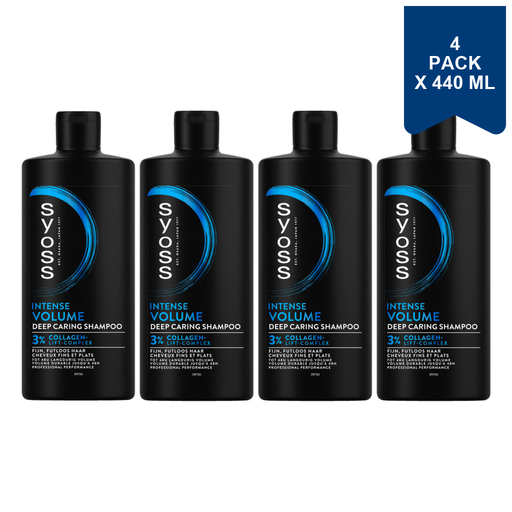
Why it suits this profile: The four 440 ml bottles are suitable for regular use and make it easy to compare the price per millilitre. The formula is designed for fine and flat hair.
The product information clearly states 0% silicones and a focus on volume. According to Syoss's own research, the volume can last for up to 48 hours; this is not a guaranteed result for every user.
Four 440 ml bottles; designed for fine or limp hair; according to the product description, 90% ingredients of natural origin.
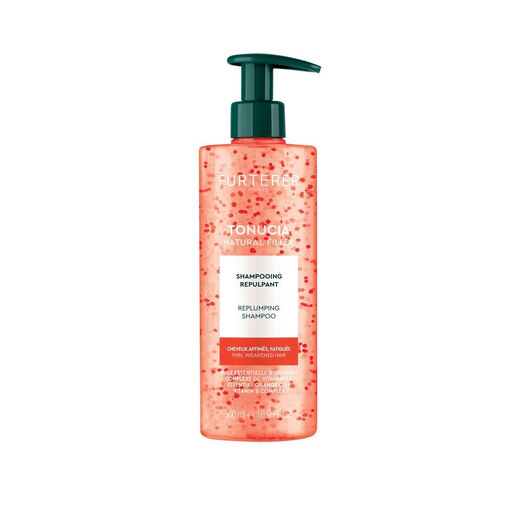
Why it suits this profile: This larger bottle is designed for daily or frequent use on fine, tired and lifeless hair. The formula focuses on hydration, suppleness and visible volume.
The product description explicitly mentions daily use and provides an ingredients list. However, check the packaging when you receive it, as ingredients may change according to the manufacturer.
500 ml volume; tamarind seed extract, panthenol and hydrolyzed wheat protein; according to the product information, 90% ingredients of natural origin.
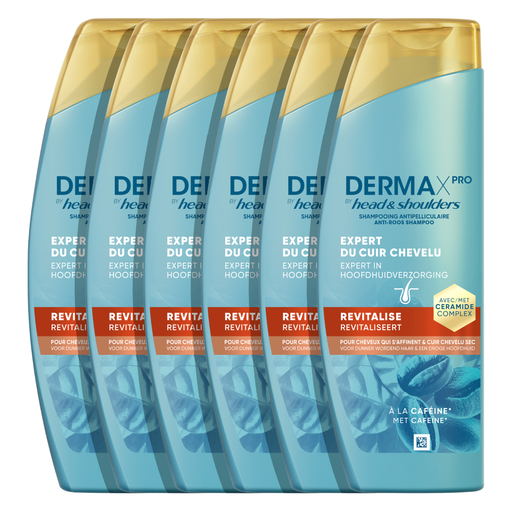
Why it suits this profile: The multipack is practical for regular washing and combines an anti-dandruff purpose with care for a dry scalp and thinning hair.
The formula lists piroctone olamine and caffeine alongside a ceramide complex. According to the brand's own research, regular use supports hair retention; this does not replace a medical assessment in cases of ongoing hair loss.
Six 250 ml bottles; piroctone olamine for visible dandruff; caffeine and a ceramide complex are mentioned in the product information.
We have put together a complete, up-to-date list of products that fully meet these strict selection criteria and the applicable European safety regulations.
Shampoo can cleanse the scalp, reduce dandruff or help hair feel less prone to breakage. According to brands' own research, certain formulas may also support hair retention. Results vary from person to person. Sudden or significant hair loss can have various causes, so discuss it with your GP or another healthcare professional.
That depends on the formula and your scalp. Products suitable for daily use can be used every time you wash your hair. If you have a dry or sensitive scalp, washing less often may feel more comfortable. Always follow the label and rinse the shampoo out thoroughly.
A 250 ml bottle can last several weeks when used on short hair with a small amount of product. Usage is higher with long or thick hair. A 440 to 500 ml bottle or a multipack will usually offer a lower cost per use, but try a smaller bottle first if you do not know whether your scalp will react well to the formula.
